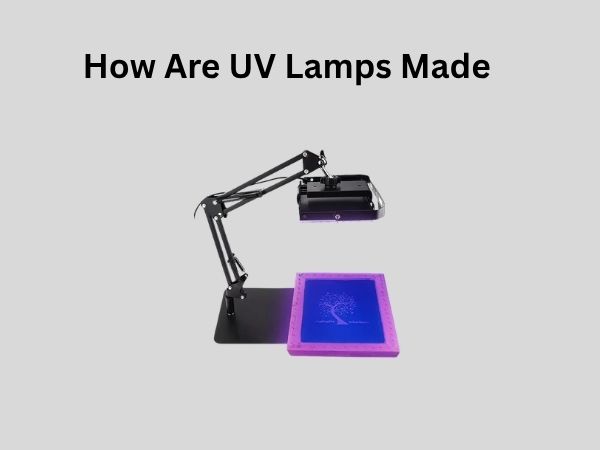
The Science of Light: How Are UV Lamps Made for Specialized Use?
Have you ever wondered what goes into creating those mysterious ultraviolet lamps that seem to do everything from sterilizing medical equipment to curing nail polish? The process is far more intricate than you might imagine. UV lamps represent a fascinating intersection of physics, engineering, and chemistry. In this comprehensive guide, we’ll walk you through the entire journey of how these powerful light-producing devices are manufactured, from the raw materials to the final product sitting on your shelf or in your professional facility.
Understanding UV Light and Why It Matters
Before we dive into the manufacturing process, let’s establish what we’re actually talking about. Ultraviolet light exists in a wavelength range that’s invisible to the human eye—typically between 10 and 400 nanometers. Think of it as the light spectrum’s shy cousin, hiding just beyond what our eyes can perceive. This invisible nature is precisely what makes UV light so powerful and useful. Unlike visible light, UV radiation carries more energy, which enables it to break down molecular bonds and achieve effects that regular lighting simply cannot accomplish.
The applications are remarkably diverse. Hospitals use UV lamps to sterilize surgical instruments. Dermatologists employ them to treat skin conditions. Water treatment facilities rely on them to purify drinking water. Beauty salons use them for gel nail applications. Understanding how these essential tools are manufactured helps us appreciate their effectiveness and reliability.
The Three Main Types of UV Lamps
Before manufacturing begins, manufacturers must decide which type of UV lamp to produce, as each follows a somewhat different construction path. Let me break down the primary categories you’ll encounter in the market.
Mercury Vapor Lamps: The Traditional Workhorses
Mercury vapor lamps are the granddaddy of UV lamp technology. These devices have been around for decades and remain incredibly popular. They work by passing an electrical current through mercury vapor, which excites the mercury atoms and causes them to emit ultraviolet radiation. The vast majority of industrial UV applications still rely on these lamps because they’re affordable, durable, and produce consistent results.
Excimer Lamps: The High-Performance Specialists
Excimer lamps represent a more sophisticated technology. Rather than using mercury, these lamps use various gas combinations—such as xenon chloride or xenon fluoride—to produce specific wavelengths of UV light. They’re often called “rare gas halide lamps” and offer precise wavelength control. This makes them ideal for specialized applications where you need UV light at exact specifications.
LED UV Lamps: The Modern Revolution
UV LEDs are the newcomers to the market, but they’re rapidly gaining ground. These semiconductor-based lights produce UV radiation through electroluminescence rather than gas discharge. They’re more energy-efficient, last longer, and generate less heat than traditional options. Many nail salons are transitioning to LED UV lamps because they’re faster and more environmentally friendly.
Raw Materials: The Building Blocks
Every UV lamp starts with carefully selected raw materials. The specific components vary depending on the lamp type, but let’s explore what goes into a typical mercury vapor lamp first.
Glass or Quartz Envelopes
The outer shell of most UV lamps is made from either special glass or quartz. This isn’t ordinary window glass—it’s specifically engineered to allow UV radiation to pass through. Regular glass actually blocks most UV light, which is why it’s not suitable. Quartz is preferred for high-performance applications because it can withstand higher temperatures and transmits UV light more effectively across all wavelengths.
Manufacturers source high-purity quartz from specialized suppliers. This material is then shaped into tubes through precision molding or hand-blowing techniques, depending on the desired specifications.
Mercury and Gases
Mercury is the critical active ingredient in traditional UV lamps. However, it’s not used in its pure liquid form at room temperature as you might expect. Instead, manufacturers use a carefully measured amount of mercury that will vaporize at the operating temperature of the lamp. This measurement is extremely precise—too much mercury and the lamp becomes inefficient; too little and it won’t produce adequate UV output.
Beyond mercury, lamps also require inert gases. Argon is commonly used because it’s stable and helps initiate the electrical discharge. Some manufacturers add small amounts of other gases to fine-tune the lamp’s characteristics.
Electrodes and Filaments
Every UV lamp needs electrodes to conduct electricity through the gas inside. These are typically made from tungsten, a metal chosen specifically for its high melting point and ability to withstand the intense heat and electrical stress inside an operating lamp. Tungsten can handle temperatures exceeding 3,000 degrees Celsius, making it ideal for this application.
Bases and Connectors
The base of the lamp serves as the interface between the lamp and the fixture. These are usually made from ceramic or specialized plastics that can withstand heat and electrical current. Metal connectors ensure proper electrical contact.
The Manufacturing Process: Step by Step
Now that we understand the components, let’s walk through how they’re assembled into a functioning UV lamp. This is where precision engineering becomes critical.
Stage One: Creating the Envelope
The process begins with creating the glass or quartz tube that will contain everything else. If we’re talking about traditional production, manufacturers start with raw quartz material. This is heated to extremely high temperatures—we’re talking around 2,000 degrees Celsius—until it becomes pliable. Workers then shape it using specialized glassblowing equipment or precision molds.
For mass production, many manufacturers use automated machinery that can produce thousands of identical envelopes daily. The tubes must be perfectly sealed with no cracks or weak points, as any imperfection could cause failure or, worse, dangerous rupture during operation.
Stage Two: Electrode Insertion and Positioning
Once the envelope is created, tungsten electrodes must be inserted at precise positions. This requires extremely careful handling because the electrodes are fragile and must be positioned at exact distances from each other—typically a few millimeters apart. The distance between electrodes directly affects how the lamp performs.
These electrodes are usually secured using specialized ceramic supports that hold them in perfect alignment while the glass envelope is sealed. Think of it like placing tiny people in precise positions inside a tube before sealing it shut.
Stage Three: Mercury Dosing and Evacuation
Here’s where things get really interesting. The lamp envelope is attached to specialized equipment that carefully measures and injects the exact amount of mercury needed. This is done in a vacuum environment because any moisture or oxygen could compromise the lamp’s performance.
The vacuum is crucial. Before anything else happens, virtually all air is removed from the tube using powerful vacuum pumps. This removal of atmospheric gases is essential because oxygen and nitrogen would interfere with the electrical discharge and UV production.
Stage Four: Gas Introduction
After evacuation, argon or other inert gases are introduced. Again, the amount is precisely measured—typically filling to about 0.5 to 1.0 atmosphere of pressure. This is significantly lower than normal atmospheric pressure, which is why these lamps contain a partial vacuum along with the gas.
Stage Five: Sealing
Once the mercury and gases are inside, the lamp must be hermetically sealed. This is done by heating the tube’s opening until the glass or quartz becomes soft enough to pinch closed and fuse. The seal must be absolutely perfect—any microscopic leak would allow air to enter and completely destroy the lamp’s functionality.
Stage Six: Base Attachment
The sealed tube is then attached to its base, which contains the electrical connections. This base holds the contacts that will eventually plug into a fixture. The connection between the tube and the base must be electrically sound and mechanically secure.
Stage Seven: Quality Testing
Before a UV lamp leaves the factory, it undergoes rigorous testing. Manufacturers check electrical conductivity, test the UV output, verify the spectral distribution (which wavelengths are being produced), and confirm that everything operates safely. Lamps that fail any test are discarded.
LED UV Lamp Manufacturing: A Different Approach
The process for LED-based UV lamps differs significantly from gas discharge lamps because the underlying technology is completely different.
Semiconductor Chip Production
LED UV lamps begin with semiconductor chips, typically made from materials like gallium nitride or aluminum nitride. These chips are created through a complex process called epitaxy, where layers of semiconductor material are grown one atomic layer at a time. It’s remarkably precise work that requires cleanroom conditions.
Chip Assembly and Packaging
Once the chips are created, they’re mounted onto metal substrates and connected with tiny wires. Multiple chips might be combined to produce the desired brightness and wavelength. The assembled chips are then placed inside protective packages that allow UV light to escape but protect the delicate semiconductor from damage.
Heat Management
Unlike gas discharge lamps, LEDs generate significant heat at their junctions. Manufacturers incorporate heat sinks—metal components designed to dissipate this heat—into the lamp assembly. Without effective heat management, the LED chips would overheat and fail prematurely.
Excimer Lamp Manufacturing
Excimer lamps follow a process similar to mercury vapor lamps but with some important differences. Instead of mercury, these lamps contain rare gases and halogens that create specific ultraviolet emissions.
The manufacturing process involves the same basic steps: creating a quartz envelope, inserting electrodes, evacuating air, introducing the specific gas mixture, sealing, and testing. However, the gas mixture used in excimer lamps is more complex and requires even more precise measurements to ensure they produce the correct wavelength.
Quality Control and Safety Measures
Manufacturing UV lamps isn’t just about getting them to produce light—it’s also about ensuring they’re safe and reliable.
Pressure Testing
Since UV lamps operate under partial vacuum and contain pressurized gases, they undergo pressure testing to ensure they won’t rupture or leak. Manufacturers use specialized equipment to verify the integrity of the seal.
Spectral Analysis
Many applications require specific wavelengths of UV light. Manufacturers use spectrophotometers to verify that each lamp produces the correct wavelength distribution. This is particularly important for medical and scientific applications.
Lifespan Testing
Before lamps are released to the market, they’re often tested for thousands of hours to verify they’ll last as long as advertised. Accelerated aging tests help manufacturers identify potential failures before customers encounter problems.
Safety Certifications
UV lamps must meet various safety standards and certifications depending on their intended use and market. These standards ensure the lamps won’t emit dangerous levels of radiation, won’t fail catastrophically, and won’t cause other safety hazards.
Environmental Considerations in UV Lamp Manufacturing
Mercury-based UV lamps have raised environmental concerns, which has driven manufacturers to develop alternatives and improve their production processes.
Mercury Handling
Mercury is toxic, so manufacturers must handle it carefully. Most modern facilities use closed-loop systems that prevent mercury vapor from escaping into the atmosphere. Any mercury that needs to be disposed of is handled according to strict environmental regulations.
Shift Toward LED Technology
The environmental movement has accelerated the adoption of LED UV lamps, which don’t contain mercury and are more energy-efficient. This represents a significant shift in how UV lamps are manufactured and distributed.
Waste Reduction
Responsible manufacturers implement waste reduction programs throughout their facilities. This includes recycling glass and quartz, recovering valuable materials, and minimizing the disposal of hazardous substances.
Innovations in UV Lamp Manufacturing
The UV lamp industry continues to evolve with new technologies and manufacturing techniques.
Improved Efficiency
Manufacturers are constantly working to make lamps more efficient, producing more UV light while consuming less electrical power. This benefits both users (lower electricity bills) and the environment (reduced energy consumption).
Longer Lifespan
Modern lamps last significantly longer than older models. Better electrode materials, improved gas mixtures, and refined manufacturing processes all contribute to extended lifespan.
Customization Capabilities
Advanced manufacturers can now customize UV lamps for specific applications, producing precise wavelengths and intensities tailored to particular needs.
Challenges in UV Lamp Manufacturing
Despite decades of refinement, UV lamp manufacturing still presents considerable challenges.
Precision Requirements
The tolerance levels required in UV lamp manufacturing are incredibly tight. Small variations in electrode spacing, gas pressure, or mercury amount can dramatically affect performance. Maintaining these tolerances across millions of units is a constant struggle.
Material Sourcing
High-purity materials can be expensive and sometimes difficult to source. Supply chain disruptions can affect production schedules.
Regulatory Compliance
Different markets have different regulations regarding UV lamp manufacturing, particularly around mercury content and safety standards. Manufacturers must navigate a complex regulatory landscape.
The Future of UV Lamp Manufacturing
What does the future hold for UV lamp manufacturing? Several trends seem likely to continue shaping the industry.
First, the shift toward LED technology will probably accelerate. As LED manufacturing becomes more sophisticated and costs continue to decline, traditional gas discharge lamps may become less common in many applications.
Second, manufacturers will likely continue improving efficiency and lifespan, driven by environmental concerns and consumer demand for more sustainable products.
Third, customization and specialization will probably increase. As different industries discover new applications for UV light, manufacturers will develop increasingly specialized lamps for those uses.
Conclusion
The manufacturing of UV lamps represents a remarkable convergence of materials science, precision engineering, and physics. From the careful selection of raw materials through the complex assembly process to rigorous quality testing, every step plays a crucial role in creating these powerful light sources. Whether it’s a traditional mercury vapor lamp, a specialized excimer lamp, or a modern LED UV lamp, the manufacturing process requires expertise, precision, and quality control at every stage. As technology continues to evolve and environmental concerns drive innovation, we can expect UV lamp manufacturing to become even more sophisticated. Understanding how these essential tools are made helps us appreciate their reliability and effectiveness across countless applications, from medical sterilization to cosmetic nail curing and beyond.
Frequently Asked Questions About UV Lamp Manufacturing
Why is quartz used in UV lamps instead of regular glass?
Regular glass absorbs most ultraviolet radiation, which would prevent the UV light from escaping the lamp. Quartz has a much higher UV transmission rate, allowing UV radiation to pass through efficiently. Additionally, quartz can withstand the higher temperatures inside UV lamps without degrading. This material property is essential for allowing the lamp to function properly and produce the intended UV output that customers rely on for various applications.
How much mercury is actually in a UV lamp?
The amount varies depending on the lamp type and specifications, but typically ranges from 5 to 20 milligrams. This might seem like a small amount, but it’s precisely measured because both too much and too little mercury will negatively affect lamp performance. Manufacturers use specialized dosing equipment to ensure accuracy. The mercury vaporizes at operating temperatures and creates the electrical discharge that produces UV light.

![10 Best Contemporary Swing Arm Wall Lamp [2026]](https://bestdesklamp.com/wp-content/uploads/2026/09/10-best-contemporary-swing-arm-wall-lamp-2026-featured-768x432.jpg)
![10 Best Arched Floor Lamp [2026]](https://bestdesklamp.com/wp-content/uploads/2026/09/10-best-arched-floor-lamp-2026-featured-768x432.jpg)
![10 Best Bulb For Desk Lamp [2026]](https://bestdesklamp.com/wp-content/uploads/2026/08/10-best-bulb-for-desk-lamp-2026-featured-768x432.jpg)