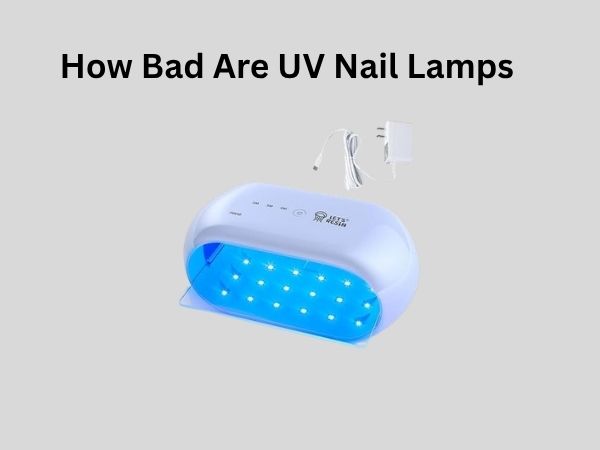
How Bad Are UV Nail Lamps for Your Skin? The Complete Truth
Understanding Your UV Nail Lamp: What Exactly Is It?
When you walk into a nail salon and sit down for a gel manicure, you’re about to expose your hands to ultraviolet light. But what exactly is happening under that lamp? Think of it like a miniature tanning bed designed specifically for your nails. The lamp emits UV radiation that cures the gel polish, turning it from a liquid state into a hard, glossy finish.
Most salons use one of two types of lamps: UV-A lamps or LED lamps. The UV-A lamps have been around longer and operate at wavelengths between 315 and 400 nanometers. LED lamps, which are newer technology, emit a narrower spectrum of light and cure gel polish faster—sometimes in just 30 seconds compared to two to three minutes for traditional UV lamps.
The Science of UV Radiation and Your Skin
How UV Light Damages Skin at a Cellular Level
Here’s where things get interesting from a scientific perspective. UV radiation doesn’t just sit on your skin surface and leave—it penetrates deep into the layers where your skin cells live. When UV rays hit your skin, they damage the DNA inside your cells. Your body tries to repair this damage, but over time, repeated exposure can cause permanent changes.
The damage happens because UV light has enough energy to break chemical bonds in your DNA. This is what scientists call photoaging. Your skin starts to wrinkle, develop age spots, and lose its elasticity. In more serious cases, this damage can lead to melanoma and other forms of skin cancer.
Understanding UVA Versus UVB Rays
Most people have heard about UVA and UVB rays, but do you really know the difference? UVB rays are the ones that cause sunburns and have more direct cancer-causing potential. UVA rays don’t burn as obviously, but they penetrate deeper into your skin and contribute to aging and melanoma risk. Here’s the catch: nail lamps primarily emit UVA radiation, which means you’re getting the deep-penetrating type of UV exposure.
Comparing Nail Lamp Exposure to Sunlight
How Much UV Are You Actually Getting?
One of the biggest questions people ask is whether sitting under a nail lamp is worse than being outside in the sun. The answer is more nuanced than a simple yes or no. A typical gel manicure session exposes you to UV radiation for about 8-10 minutes total, depending on how many coats of gel you need.
A study published in JAMA Dermatology found that the UV dose from a gel manicure is significantly lower than what you’d get from 15 minutes of midday sun exposure. However—and this is important—the radiation is concentrated on a small area of your hands rather than spread across your entire body.
The Cumulative Effect of Regular Manicures
Here’s where the real concern comes in. If you get gel manicures every three weeks, year after year, you’re accumulating significant UV exposure on your hands and fingers. Over five years, that’s roughly 87 manicure sessions. Multiply that by 10 minutes of exposure, and you’re looking at nearly 15 hours of direct UV radiation to a relatively small area of your body.
While 15 hours might not sound like much compared to a summer spent at the beach, remember that this radiation is concentrated and focused. It’s like the difference between a gentle rain and a fire hose—same amount of water, but the intensity matters.
The Real Health Risks: What Research Actually Shows
Documented Cases of Skin Cancer from Nail Lamps
Have you heard the scary stories about people developing melanoma on their hands from nail lamps? These cases exist, but they’re actually quite rare. Dermatologists have documented a handful of cases where individuals who regularly used UV nail lamps developed suspicious skin lesions on their hands or fingers.
One notable case involved a woman in her 40s who developed melanoma on her finger after years of regular gel manicures. While this is frightening, it’s important to understand that single case reports don’t constitute proof of causation. For every person who develops melanoma and uses nail lamps, there are thousands who use them regularly without any issues.
Photoaging and Premature Wrinkles
Even if skin cancer seems like a distant possibility, photoaging is something you can actually see in the mirror. The hands are one of the first places to show signs of aging because they’re frequently exposed to sun and get less protection than the face. Regular nail lamp use adds another source of UV exposure to hands that might already be getting plenty of sun.
Over time, this can accelerate the development of age spots, wrinkles, and a crepey texture on your hands. For some people, this visible aging might be more concerning than the cancer risk because it happens in a place that’s hard to hide.
Immunosuppression and Skin Changes
UV radiation is known to suppress the immune system in the skin. This means repeated exposure can make your skin less able to protect itself against bacteria and other harmful substances. Some dermatologists worry that chronic nail lamp use could increase susceptibility to infections or other skin conditions around the nail area.
Who’s at Highest Risk?
Skin Type and Genetic Predisposition
Not everyone has the same risk level when it comes to UV exposure. If you have fair skin, red or blonde hair, and freckles, your skin produces less melanin—the protective pigment that shields against UV damage. This means you’re naturally at higher risk for both photoaging and skin cancer.
Additionally, if you have a family history of melanoma or other skin cancers, your genetic predisposition to develop these conditions is already elevated. Adding regular UV nail lamp exposure might tip the scales in the wrong direction.
Age and Accumulation of Damage
Younger people who start getting regular gel manicures in their teens or twenties are building up UV exposure over decades. The damage from UV radiation is cumulative—your skin keeps a record of every exposure. By the time someone who started at age 20 reaches 50, they’ve had years and years of concentrated UV exposure on their hands.
Those with Pre-existing Skin Conditions
If you have a history of abnormal moles, have had precancerous lesions removed, or have been diagnosed with any form of skin cancer, you should be especially cautious. For these individuals, any additional UV exposure is a consideration worth discussing with a dermatologist.
Safety Measures: How to Protect Yourself
Apply Sunscreen Before Your Manicure
This is the simplest and most obvious protective step. Apply a broad-spectrum sunscreen with at least SPF 30 to your hands about 15 minutes before your appointment. Let it fully absorb so it doesn’t get rubbed off during the manicure process.
The challenge is that you’ll need to reapply after your nails are done, and the sunscreen needs to stay on your hands even after you’ve left the salon. This is doable, but it requires some planning and commitment.
Use UV-Blocking Gloves
Several companies now manufacture fingerless UV-blocking gloves specifically designed for nail salon use. These gloves cover most of your hand and fingers while leaving the nail area exposed so the technician can work. Some salons even provide them.
The effectiveness of these gloves varies. The best ones block up to 99 percent of UVA and UVB rays, making them an excellent protective barrier. However, they can be a bit awkward during the manicure process, and not all salons are experienced with customers wearing them.
Limit Frequency of Gel Manicures
One of the most effective ways to reduce risk is simply to get gel manicures less often. Instead of every three weeks, try every six weeks. Or alternate between gel manicures and regular polish. This cuts your UV exposure in half or more while still allowing you to enjoy the benefits of longer-lasting nail color.
Choose Reputable Salons with Newer Equipment
Not all nail lamps are created equal. Newer LED lamps typically deliver UV exposure more efficiently and for shorter periods. Salons that keep their equipment well-maintained and regularly replace aging lamps are providing safer service than those using decade-old UV lamps.
LED Lamps Versus UV Lamps: Which Is Safer?
The LED Advantage
LED lamps have several advantages over traditional UV lamps. First, they cure gel polish in about 30 seconds to one minute, compared to two to three minutes for UV lamps. This means significantly less total exposure time. Second, LED lamps emit a narrower spectrum of light that’s more directly targeted to cure the gel, rather than emitting a broader range of UV wavelengths.
Third, LED lamps don’t heat up the way UV lamps do, which some people find more comfortable. Most importantly from a safety perspective, the concentrated and efficient nature of LED technology means you’re getting less wasted radiation that doesn’t contribute to curing the polish.
Are LED Lamps Completely Safe?
While LED lamps are generally considered safer than UV lamps, they’re not completely risk-free. They still emit UV radiation, and there’s still potential for damage with repeated use. The risk is simply lower because of the shorter exposure time and more efficient technology.
Some dermatologists recommend LED lamps over UV if you’re going to get gel manicures anyway, but they still advise using protective measures like sunscreen or UV-blocking gloves even with LED technology.
What Dermatologists Actually Recommend
The Professional Consensus
Most dermatologists don’t tell their patients to completely avoid gel manicures. Instead, they recommend a balanced approach that acknowledges the small but real risk while allowing people to enjoy this beauty treatment.
The American Academy of Dermatology suggests that occasional gel manicures are probably not a major health concern for most people. However, for those who get them regularly—say, every two to three weeks year-round—the cumulative exposure warrants protective measures.
Specific Recommendations for Different Risk Groups
For people with fair skin, a family history of skin cancer, or a personal history of suspicious moles, dermatologists are more cautious. They might recommend using UV-blocking gloves and sunscreen, choosing LED lamps over UV, or limiting manicure frequency to once a month or less.
For people with darker skin types, the risk of melanoma is naturally lower because more melanin provides inherent protection. However, photoaging is still a concern, particularly for maintaining healthy-looking hands as you age.
Alternative Nail Options to Consider
Traditional Nail Polish
Regular nail polish is applied, dries naturally, and requires no UV exposure. The downside is that it chips more easily and doesn’t last as long. However, if you’re concerned about UV exposure, this is the safest option for your skin.
Dip Powder Nails
Dip powder nails are a newer alternative that doesn’t require a UV lamp to cure. Your nails are dipped into powder, and a gel-like binder is applied. The result lasts about three weeks and requires no UV curing lamp. Some dip powder systems do require a short LED curing step, so make sure to ask before committing.
Press-On Nails
Modern press-on nails have come a long way from the obvious-looking versions of the past. High-quality versions can look quite natural and last two to three weeks. They involve zero UV exposure and can be a good option if you want the look of gel nails without the potential risks.
Nail Care Without Enhancement
Natural nails that are well-maintained can be beautiful. Keeping them clean, properly shaped, and nourished with good cuticle care can result in healthy, attractive nails without any UV exposure.
The Bottom Line: Making an Informed Decision
So, how bad are UV nail lamps really? The honest answer is that the risk is small for most people, especially compared to other sources of UV exposure like sunlight. A person who gets occasional gel manicures and takes basic precautions like using sunscreen is unlikely to experience any serious consequences.
However, the risk is not zero. For people who get gel manicures very frequently, have risk factors for skin cancer, or are particularly concerned about photoaging, taking protective measures makes sense. Using UV-blocking gloves, applying sunscreen, and limiting frequency are all simple steps that can reduce whatever risk does exist.
The key is making an informed decision based on your personal risk factors, your frequency of nail lamp use, and your comfort level with the potential risks. There’s no need to panic if you’ve been getting regular gel manicures—just consider incorporating some protective strategies going forward.
Conclusion
UV nail lamps are a common feature in modern nail salons, and the question of whether they’re dangerous deserves a thoughtful, evidence-based answer. The science shows that while UV nail lamps do emit radiation capable of damaging skin, the actual risk for most people who get occasional manicures is relatively small. The radiation exposure is significantly less than what you’d get from spending time in the sun, and documented cases of serious harm are rare.
That said, dismissing the concern entirely would be irresponsible. The cumulative effect of repeated exposure, combined with individual risk factors like fair skin or a family history of cancer, can make regular gel manicures a legitimate concern for some people. The good news is that there are practical, easy-to-implement protective measures available: sunscreen, UV-blocking gloves, LED lamps instead of UV lamps, and simply reducing the frequency of manicures.
Ultimately, you don’t need to choose between having beautiful nails and protecting your skin. By taking sensible precautions and making informed choices about your manicure habits, you can enjoy gel nails while minimizing whatever risks exist. Listen to your dermatologist, pay attention to your personal risk factors, and don’t hesitate to ask your nail salon about their equipment and safety practices. Your nails can look gorgeous while your skin stays safe and healthy.
Frequently Asked Questions
Can a single gel manicure cause skin cancer?
A single gel manicure is extremely unlikely to cause skin cancer. Skin cancer develops from accumulated UV damage over time, typically years or decades of exposure. One manicure session exposes you to a very small amount of radiation that your skin can easily handle. It’s the repeated exposure, accumulated over many manicures, that poses a potential concern for people with risk factors.
Is LED lamp exposure safer than UV lamp exposure?
Yes, LED lamps are generally considered safer than traditional UV lamps. They cure gel polish


![10 Best Architect Lamp [2026]](https://bestdesklamp.com/wp-content/uploads/2026/09/10-best-architect-lamp-2026-featured-768x432.jpg)