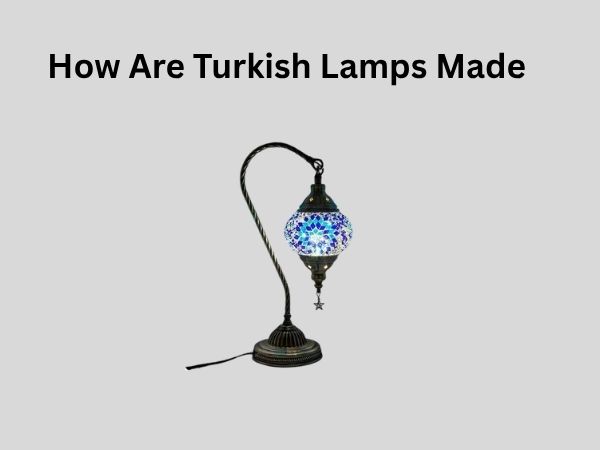
How Are Turkish Lamps Made? A Complete Guide to Artisanal Craftsmanship
Have you ever walked into a room and felt instantly transported to another world? That magical feeling often comes from the warm, intricate glow of a Turkish lamp. But have you stopped to wonder about the hands that created it, the techniques passed down through generations, and the meticulous process behind these stunning pieces of art?
Turkish lamps are more than just lighting fixtures—they’re stories told through glass, metal, and light. In this comprehensive guide, I’m going to take you on a journey through the fascinating world of Turkish lamp making, revealing secrets that skilled artisans have perfected over centuries.
The Rich History Behind Turkish Lamp Making
Turkish lamp craftsmanship isn’t something that emerged overnight. This tradition has deep roots stretching back to the Ottoman Empire, where these luminous creations became symbols of elegance and cultural pride. The artisans of Istanbul, particularly in the Grand Bazaar, developed techniques that blended influences from Persian, Arab, and Byzantine cultures.
What’s fascinating is how this craft survived the test of time. Even in our modern era of mass production and LED technology, traditional Turkish lamp makers continue their work with the same passion and precision their ancestors exhibited. It’s like watching a living museum in action—every lamp tells a story that’s been told for hundreds of years.
The Ottoman Influence on Modern Turkish Lamps
During the Ottoman period, lamps served both practical and spiritual purposes. They illuminated homes, markets, and mosques while simultaneously representing wealth and sophistication. The intricate glass patterns we see today are direct descendants of those historical designs, maintaining authenticity while adapting to contemporary preferences.
Understanding the Core Materials Used in Turkish Lamp Production
Before any lamp comes to life, artisans must select the right materials. This choice is crucial—it determines durability, aesthetics, and the quality of light the final piece will emit. Let me break down what goes into making these beautiful creations.
Glass Selection and Quality Standards
The foundation of any Turkish lamp is its glass. But not just any glass will do. Master craftsmen source premium-quality glass that’s thick enough to withstand years of use yet transparent enough to create the magical light effects we admire.
- Colored glass: Artisans use vibrant hues like deep reds, emerald greens, sapphire blues, and warm ambers
- Clear glass: Used for transparent sections that allow light to shine through unfiltered
- Opalescent glass: Special glass that changes appearance depending on the light angle
- Frosted glass: Creates soft, diffused lighting effects
The glass isn’t just decorative—it’s a functional element that shapes how light dances throughout your space. Think of it as the lens through which the lamp’s personality is expressed.
Metal Frames and Supporting Structures
Holding everything together is the metal framework, typically brass or copper. These metals are chosen because they’re malleable, durable, and develop a beautiful patina over time. Some lamps feature hand-forged brass that shows the hammer marks of the artisan’s work—evidence of human craftsmanship that machines simply cannot replicate.
The metal doesn’t just serve a structural purpose. In traditional Turkish lamps, the metal framework itself becomes an intricate pattern, sometimes featuring geometric designs, Arabic calligraphy, or floral motifs. It’s a dual-purpose element that’s both functional and artistic.
Additional Components and Materials
Beyond glass and metal, Turkish lamp makers utilize several other essential materials:
- Solder: High-quality solder that bonds glass pieces together seamlessly
- Copper wire: For electrical components in modern lamps
- Adhesives: Specialized glass adhesives that create permanent bonds
- Patina solutions: Chemical treatments that age the metal purposefully
The Step-by-Step Process of Creating a Turkish Lamp
Now comes the exciting part—watching how all these materials transform into magnificent art. The process is intricate, requiring patience, skill, and an artist’s eye.
Step One: Design and Pattern Creation
Every Turkish lamp begins with a vision. Master artisans sketch designs on paper, creating detailed patterns that will guide the entire creation process. Some patterns are traditional designs passed down through family lines, while others are contemporary interpretations that respect the heritage while embracing modern aesthetics.
This step is crucial because once glass cutting begins, there’s no going back. The design serves as the blueprint—a map that guides the artisan through each subsequent stage. It’s remarkably similar to how an architect creates blueprints before constructing a building.
Step Two: Hand-Cutting the Glass
This is where the magic truly begins. Using the pattern as a guide, artisans cut individual pieces of colored glass. This isn’t done with automated machinery—it’s done by hand, using glass cutting tools that require years of training to master.
The artisan must consider multiple factors simultaneously: the thickness of the cut, the angle of the blade, the pressure applied, and how each piece will fit together with its neighbors. One wrong move could shatter the glass, wasting hours of planning and material costs.
Watch a master cutter work, and you’ll notice the rhythm—it’s meditative, focused, almost dance-like. Their hands move with confidence born from countless repetitions, yet each cut receives full attention and care.
Step Three: Shaping and Finishing Individual Pieces
After cutting, each glass piece must be shaped to perfection. Edges are smoothed using grinding tools, ensuring they’ll fit seamlessly with adjacent pieces. Any imperfections are addressed—sharp edges are dulled, surfaces are polished, and pieces are inspected for cracks or inconsistencies.
This finishing process is where patience becomes apparent. There’s no rushing. An artisan might spend an entire day working on the edges of dozens of glass pieces, perfecting each one until it meets their exacting standards.
Step Four: Creating the Metal Framework
While glass pieces are being finished, the metalwork progresses simultaneously. Artisans use various techniques to shape the brass or copper framework:
- Hand-forging: Heating metal and shaping it with hammers on an anvil
- Soldering: Joining metal pieces together using melted solder
- Filing and finishing: Smoothing joints and edges for a polished appearance
- Patination: Applying chemical treatments to create aged finishes
The framework must be absolutely precise. Any deviation in measurements will prevent glass pieces from fitting properly, compromising the structural integrity of the final lamp.
Step Five: Assembling Glass Pieces into the Framework
This is where everything comes together. The artisan carefully positions each glass piece into its designated spot in the metal framework. Specialized adhesives or solder are used to secure them, creating permanent bonds that will last decades.
The assembly process demands extreme precision and a steady hand. One piece placed incorrectly can throw off the entire pattern, creating a visual disruption that’s immediately noticeable. This is why master artisans often have assistants who’ve trained for years—the skill level required is simply exceptional.
Step Six: Quality Inspection and Refinement
Before a lamp leaves the workshop, it undergoes rigorous quality control. The artisan examines:
- Structural integrity: Ensuring all pieces are secure and won’t shift
- Light transmission: Checking that light passes through without obstruction
- Aesthetic perfection: Verifying that the design is symmetrical and visually balanced
- Functional components: Testing electrical elements for safety and performance
If any issues are discovered, they’re corrected immediately. This commitment to perfection is what distinguishes authentic Turkish lamps from mass-produced imitations.
Traditional Techniques vs. Modern Innovations
Here’s something interesting: while traditional techniques remain central to Turkish lamp making, contemporary artisans have embraced certain modern tools and methods. This blend of old and new allows them to maintain authenticity while improving efficiency and safety.
How Artisans Preserve Traditional Methods
The core techniques—hand-cutting, hand-forming metal, and meticulous assembly—remain unchanged. These methods ensure that each lamp maintains the character and quality that made Turkish lamps legendary.
Apprentices still train for years under master craftsmen, learning through observation and practice rather than from instructional manuals. It’s an oral tradition, passed from one generation to the next, ensuring that proprietary techniques and family secrets are preserved.
Integrating Contemporary Technology Responsibly
Modern artisans use electric tools where appropriate—for example, using motorized grinders for glass finishing rather than manual stones. LED lighting has been incorporated into designs, offering energy efficiency without compromising the aesthetic appeal that makes these lamps special.
However, this technology is secondary. The soul of the lamp—the artistic design, the hand-crafted quality, the individual attention—remains purely human.
The Role of Master Artisans and Their Apprentices
You cannot discuss Turkish lamp making without acknowledging the people who create them. These are artists, engineers, and historians rolled into one.
Training and Skill Development
Becoming a master Turkish lamp maker takes dedication. Apprentices typically train for five to ten years, starting with menial tasks and gradually progressing to more complex responsibilities. They learn by doing, making mistakes in controlled environments where experienced artisans can guide them.
This extended training period ensures that only truly committed individuals become master craftspeople. It weeds out those seeking quick money and attracts those passionate about preserving this cultural heritage.
Knowledge Preservation and Cultural Significance
Master artisans aren’t just making products—they’re preserving history. Each design carries cultural meaning, each technique tells a story, and each lamp created maintains a connection to Ottoman heritage.
Many workshops are family businesses, where fathers teach sons, mothers teach daughters, and generations maintain unbroken chains of knowledge. This creates a living museum where history isn’t just remembered—it’s actively practiced.
Types of Turkish Lamps and Their Unique Manufacturing Approaches
Turkish lamps aren’t monolithic. Different styles require different production approaches, each with its own complexities and artistic considerations.
Mosaic Lamps
These are perhaps the most iconic Turkish lamps. Small pieces of colored glass are cut and assembled into intricate geometric patterns. The manufacturing process is particularly demanding because each tiny piece must fit perfectly with hundreds of others.
Creating a single mosaic lamp can take weeks. The artisan must visualize how light will interact with each colored piece, ensuring the final illumination creates the intended atmosphere and aesthetic impact.
Pierced Brass Lamps
These feature intricate patterns cut directly into brass or copper sheets. The metal itself becomes the artistic element, with light shining through carefully designed openings. Creating pierced patterns requires specialized hand tools and extraordinary precision—a single slip can ruin hours of work.
Painted Glass Lamps
Some Turkish lamps feature hand-painted designs on glass surfaces. Artisans use specialized glass paints that bond permanently when heated in a kiln. This technique allows for incredibly detailed illustrations—calligraphy, botanical designs, geometric patterns—all rendered entirely by hand.
Copper and Glass Combination Lamps
These pieces showcase both metal and glass artistry, with copper frameworks forming part of the visible design while glass pieces fill spaces between. The combination requires artisans to master both metalworking and glasswork, making these lamps particularly sophisticated.
The Geographical Significance of Turkish Lamp Production
Not all Turkish lamps are created equal—location matters significantly. Different regions have developed distinct styles and techniques.
Istanbul’s Grand Bazaar: The Heartland of Production
The Grand Bazaar remains the epicenter of traditional Turkish lamp making. Hundreds of workshops operate within its walls, some run by families who’ve occupied the same spaces for generations. The concentration of expertise in this location is unparalleled—artisans learn from each other, share techniques, and maintain competition that drives artistic excellence.
Regional Variations and Local Specializations
Beyond Istanbul, other Turkish cities have developed specializations. Some regions are known for particularly vibrant colored glass work, others for intricate brass piercing, and still others for innovative contemporary designs that respect tradition.
Environmental and Sustainability Considerations
Modern Turkish lamp artisans are increasingly conscious of environmental impact. While traditional methods are inherently sustainable, contemporary practitioners implement additional practices:
- Recycling glass scraps from cutting processes
- Using eco-friendly solder and adhesives
- Sourcing brass and copper responsibly
- Implementing LED technology to reduce energy consumption
- Minimizing waste in production processes
This sustainability consciousness doesn’t diminish the artisanal nature—if anything, it enhances it by ensuring that traditional crafts can continue indefinitely.
How to Identify Authentic Handmade Turkish Lamps
With so many imitations flooding the market, knowing how to distinguish authentic handmade lamps is valuable for consumers.
Signs of Genuine Craftsmanship
Authentic Turkish lamps display characteristics that mass-produced versions simply cannot replicate:
- Slight variations in glass piece sizes, indicating hand-cutting
- Visible solder lines showing individual assembly work
- Unique patina on brass or copper, developed through aging
- Perfect fit between components, despite minor variations in size
- Weight and structural integrity suggesting quality materials
- Documentation or certificates of authenticity
What Mass Production Cannot Replicate
Machines can cut glass quickly, but they cannot replicate the subtle artistry that human hands bring. Mass-produced lamps often feature perfectly uniform pieces—something that actually indicates artificial production. Authentic lamps show the beautiful imperfections that come from hand craftsmanship.
The warmth, character, and soul of a truly handmade Turkish lamp cannot be manufactured. It can only be created by a skilled artisan who cares deeply about their work.
The Economic Impact and Preservation Challenges
Turkish lamp artisans face an interesting paradox. While global demand for their products is strong, the economic model doesn’t always support widespread adoption of the craft among young people.
Challenges to the Craft’s Survival
The time investment required to train a master artisan means years of low income before profitability. Young people are understandably drawn to careers with faster financial rewards. Additionally, cheap mass-produced imitations compete on price, making it difficult for authentic craftspeople to maintain viable businesses.
Tourism helps sustain the craft, but relying solely on tourist purchases creates economic volatility. Many artisans struggle to pass their knowledge to the next generation simply because younger family members cannot afford to spend years apprenticing.
Recent Efforts to Support and Promote the Craft
Turkish government agencies, UNESCO, and cultural organizations have implemented programs to support traditional lamp makers. These initiatives include subsidized training programs, grants for artisans, and marketing support to help them reach global audiences.



![10 Best Bubble Fish Lamp [2026]](https://bestdesklamp.com/wp-content/uploads/2026/08/10-best-bubble-fish-lamp-2026-featured-768x432.jpg)
![10 Best Bright Desk Lamp [2026]](https://bestdesklamp.com/wp-content/uploads/2026/08/10-best-bright-desk-lamp-2026-featured-768x432.jpg)
![10 Best Bedside Lamp For Elderly [2026]](https://bestdesklamp.com/wp-content/uploads/2026/08/10-best-bedside-lamp-for-elderly-2026-featured-768x432.jpg)