How to Use a Happy Lamp: Step-by-Step Guide
Using a happy lamp, also known as a light therapy lamp, is a straightforward process to help boost your mood and energy. You simply position it at eye level and turn it on for a set duration, typically 20-30 minutes per day. It’s a simple way to get some much-needed light, especially during darker months.
These lamps work by mimicking natural sunlight, which can affect your body’s internal clock and hormone production. Many people find it helps combat feelings of sluggishness and can improve focus. We found that consistency is key when using your happy lamp for best results.
- Position lamp at eye level.
- Sit in front of it for 20-30 minutes.
- Use it daily for best results.
- Start with shorter sessions if needed.
- Adjust based on your comfort.
Let’s walk through exactly how to use your happy lamp step by step, ensuring you get the most out of its benefits.
Getting Started with Your Light Therapy Lamp
Using a happy lamp, or light therapy lamp, is surprisingly simple. You don’t need a medical degree or a special setup. It’s designed for everyday use. Think of it like adding a new habit to your routine. You want to make sure you’re using it correctly to get the most benefit. We’ll walk you through each step.
Your Step-by-Step Guide to Using a Happy Lamp
Let’s break down exactly how to use your light therapy lamp. It’s a simple process. Following these steps will help you integrate it into your day. You’ll be on your way to feeling brighter in no time.
1. Setting Up Your Lamp
First, find a good spot for your lamp. You’ll want to place it on a stable surface. A desk, a table, or a dresser works well. Make sure it’s somewhere you’ll be spending some time. Your living room or home office are common choices. Think about where you typically sit for a while each day. This makes it easier to remember to use it.
2. Positioning for Optimal Light Exposure
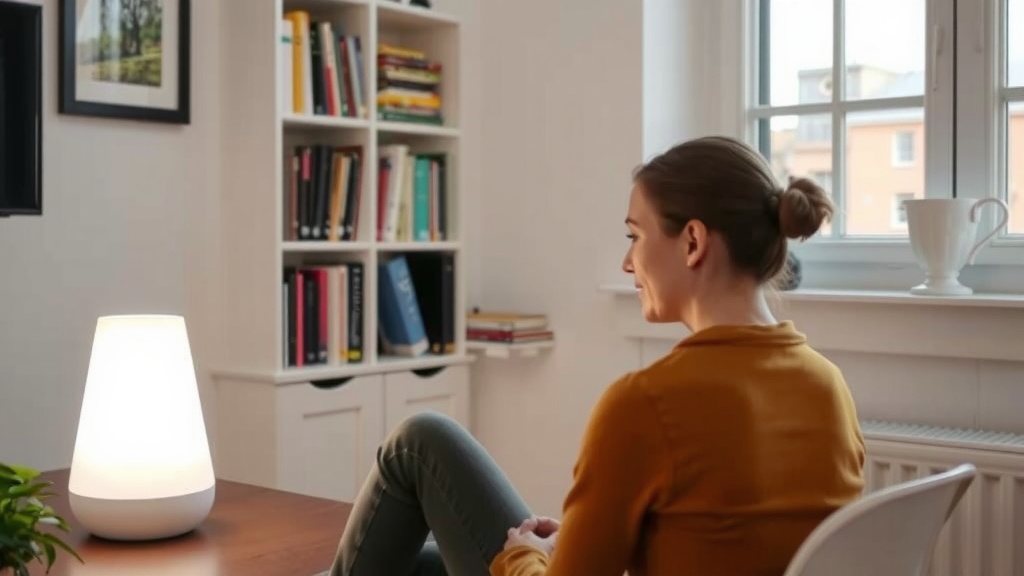
This is a really important step. Your lamp should be positioned at eye level. Why is this so critical? The light needs to reach your eyes to be effective. It’s not about shining it directly into your eyes, though. You don’t want to stare straight into the lamp. It should be angled slightly towards you. Researchers suggest a distance of about 12-24 inches. This ensures you get enough light without discomfort.
3. Determining Your Session Length
How long should you use the lamp? Most experts recommend sessions of around 20 to 30 minutes. This duration allows your body to absorb enough light. Some lamps are brighter than others. You might need to adjust the time based on your lamp’s intensity. For beginners, starting with shorter sessions, like 10-15 minutes, is a smart move. You can gradually increase the time as you get used to it.
Adjusting Based on Lamp Brightness
The brightness, measured in lux, can vary between lamps. A typical light therapy lamp is at least 10,000 lux. Brighter lamps might require shorter sessions. If your lamp is less intense, you might need a longer duration. Always check your lamp’s manual for specific recommendations. It’s better to be safe and start slow.
4. When to Use Your Light Therapy Lamp
Timing is key for light therapy. Many people find the morning hours are best. Using it shortly after waking up can help set your body’s internal clock. This can combat morning grogginess. Avoid using it too close to bedtime. Bright light late at night can interfere with your sleep cycle. Aim for consistency, using it around the same time each day.
Morning vs. Afternoon Use
Using your lamp in the morning helps regulate your circadian rhythm. This is your body’s natural sleep-wake cycle. It’s like a gentle nudge to your system. If mornings are too rushed, an early afternoon session can also be beneficial. Just be mindful of the potential impact on sleep if you use it too late in the day. Some sources suggest avoiding use after 4 PM.
5. Making It a Daily Habit
Consistency is probably the most important factor. Think of it like drinking enough water or taking vitamins. You won’t see results from using it just once in a while. Try to use your lamp every day, especially during darker months. Even on sunny days, indoor light can be insufficient. Making it a daily ritual increases its effectiveness.
6. Listening to Your Body
Everyone’s experience with light therapy is a bit different. Pay attention to how you feel. If you experience any discomfort, such as headaches or eye strain, take a break. You might need to shorten your session or move the lamp further away. Some people are more sensitive to bright light. Adjusting the distance and duration is perfectly okay. Your comfort is a priority.
Potential Side Effects and What to Do
While generally safe, some individuals might experience mild side effects. These can include eye strain, headaches, or nausea. If this happens, reduce your exposure time. Try sitting further from the lamp. Some guidelines suggest a break if side effects occur (National Institutes of Health). If symptoms persist, consult with a healthcare professional. They can help determine if light therapy is right for you.
7. Integrating Lamp Use into Your Routine
How can you make sure you don’t forget? Pair it with an existing habit. Maybe you use it while you eat breakfast. Or perhaps while you check your emails. Setting a daily alarm on your phone can also be a great reminder. You could even keep a small journal to track your sessions and how you feel.
Tips for Consistent Use
Here are a few quick tips to help you stay on track:
- Keep it visible: Don’t store your lamp away.
- Set reminders: Use your phone or smart home devices.
- Pair with activities: Use it during a relaxing moment.
- Track progress: Note how you feel each day.
- Be patient: Results often build over time.
8. Understanding What to Expect
When you start using your happy lamp, don’t expect miracles overnight. It takes time for your body to adjust and respond. Many users report feeling a gradual shift in energy and mood. Some notice improvements in focus and sleep quality. It’s a tool to support your well-being. Research indicates that consistent use over several weeks is often needed for noticeable benefits (Mayo Clinic).
9. When to Consult a Professional
While happy lamps are generally safe for most people, they aren’t a one-size-fits-all solution. If you have pre-existing eye conditions or are taking medications that increase light sensitivity, it’s wise to check with your doctor first. Certain mental health conditions might also require professional guidance before starting light therapy. Your doctor can offer personalized advice.
| Parameter | Recommendation |
|---|---|
| Duration | 20-30 minutes daily |
| Distance | 12-24 inches from eyes |
| Position | At eye level, slightly angled |
| Timing | Preferably in the morning |
| Frequency | Daily for best results |
Conclusion
You’ve learned how simple and effective using a happy lamp can be. By following these steps, you’re setting yourself up for a brighter experience. Remember to position your lamp correctly, maintain a consistent daily session, and listen to your body’s signals. This tool can be a great addition to your wellness routine, especially when daylight hours are short. Now, go ahead and integrate your light therapy lamp into your day!
Frequently Asked Questions
How quickly will I see results from using a happy lamp?
Results can vary from person to person. Some individuals notice a subtle shift in mood and energy within a few days. For more pronounced benefits, like improved sleep or sustained energy, consistent use over several weeks is often recommended by experts. Patience is key, and tracking how you feel can help you gauge progress.
Can I use a happy lamp if I have sensitive eyes?
If you have sensitive eyes, start with shorter sessions of 10-15 minutes. You may also want to place the lamp slightly further away or angle it so you are not looking directly into the light. Always pay attention to any discomfort and adjust your usage as needed. Consulting with your eye doctor is also a good idea if you have specific concerns.
Is it okay to use my happy lamp while working or reading?
Yes, absolutely! Many people find it convenient to use their happy lamp while engaging in other activities. This could include reading, working on your computer, eating breakfast, or any task that keeps you seated for a period. The key is to ensure the light is reaching your eyes appropriately during your session.
What’s the difference between a happy lamp and a regular lamp?
A happy lamp, or light therapy lamp, is specifically designed to emit a bright, full-spectrum light that mimics natural sunlight. Regular lamps, like desk lamps or overhead lights, typically do not provide the same intensity or spectrum of light needed for therapeutic benefits. Their primary purpose is illumination, not mood or energy support through light exposure.
Can I use a happy lamp if I have a tanning bed or other light-based treatments?
It’s best to consult with your healthcare provider before combining light therapy with other light-based treatments like tanning beds. Your doctor can advise you on potential risks and ensure that the combination is safe for you. They can help you understand how different light sources might interact with your body and any existing health conditions.