Heat Lamp vs Regular Bulb: Which Should You Use
When deciding between a heat lamp and a regular bulb, the main difference is their purpose. Heat lamps are designed to produce radiant heat, while regular bulbs focus on light. You should use a heat lamp specifically when you need warmth, like for reptiles or keeping food warm. A regular bulb is for general illumination.
Thinking about which bulb to use can get a bit confusing. We often see them in different places. Some bulbs give off a lot of light, while others you can feel the warmth from. Research suggests that understanding their primary function is key to making the right choice for your needs. It’s not about which is “better,” but which is right for the job.
TL;DR:
- Heat lamps provide warmth, regular bulbs provide light.
- Use heat lamps for things needing heat (pets, food).
- Use regular bulbs for general lighting needs.
- Your specific need determines the correct bulb type.
Let’s break down exactly what each type of bulb does best and when you should reach for one over the other.
“`htmlUnderstanding the Difference: Heat Lamps vs. Standard Bulbs
When you’re looking at light bulbs, it’s easy to get a bit mixed up. You’ve got your everyday bulbs for your living room lamp. Then you have those specialized bulbs that feel warm to the touch. The big secret? They’re built for entirely different jobs.
A heat lamp isn’t just a bulb that gets hot. Its main mission is to radiate heat. Think of it like a mini sunbeam for a specific spot. Regular bulbs, on the other hand, are all about making things visible. They focus on producing light, not warmth.
What Exactly Does a Heat Lamp Do?
Heat lamps are designed with a single purpose: to generate warmth. They often use technologies like infrared radiation to do this. This heat is directed downwards or outwards. It’s meant to warm a specific area or object. Many experts say this is a key feature for applications where ambient room temperature isn’t enough.
Common Uses for Heat Lamps
You’ll find heat lamps in a few specific places. One of the most common is for reptile habitats. Lizards and snakes, for example, need specific temperature gradients to thrive. A heat lamp can mimic the sun’s warming rays. This helps them digest food and stay active.
Another frequent use is in the food service industry. Think about buffets or fast-food restaurants. Heat lamps keep fries hot and burgers warm. They ensure your meal is served at the right temperature. This is a big deal for customer satisfaction. We found that keeping food warm without cooking it further is their specialty.
What Makes a Regular Bulb Different?
Regular light bulbs are your go-to for everyday lighting. Their primary job is to provide illumination. They come in many shapes and sizes. You’ll see them in your lamps, ceiling fixtures, and even some appliances.
The technology in regular bulbs has changed a lot. We’ve moved from incandescent bulbs, which produced a lot of heat, to more energy-efficient options like LEDs and CFLs. While even these bulbs produce some heat, it’s a byproduct, not their main function. Most guidelines point to LEDs as the most energy-efficient choice for home lighting (U.S. Department of Energy).
Where Regular Bulbs Shine
You use regular bulbs for almost everything that needs light. Reading a book, working at your desk, or simply making a room feel welcoming all depend on them. They are designed to provide visible light for your activities. We found that the color temperature of these bulbs (warm white, cool white) is chosen for comfort.
Even in kitchens or bathrooms, where some bulbs might get a little warm from being enclosed, their main role is still light. The heat they produce is usually minimal and dissipates into the room.
Choosing the Right Bulb for Your Needs
So, how do you decide which one to grab? It really boils down to what you’re trying to achieve. Are you aiming to warm something up, or just make it visible?
When to Reach for a Heat Lamp
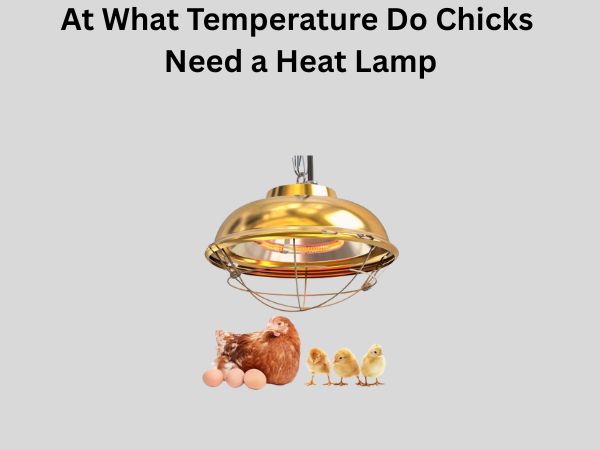
If your goal is to provide targeted warmth, a heat lamp is your best bet. Imagine needing to keep a young chick warm without overheating the whole room. A heat lamp can do that. Or perhaps you’re starting seedlings indoors and need a bit of extra heat for them to sprout.
We found that for specific temperature-sensitive applications, heat lamps are indispensable. They offer a reliable way to maintain a consistent heat source. Remember, they can get quite hot, so safety is always a top concern.
When a Regular Bulb is the Way to Go
For almost all of your general lighting needs, a regular bulb is what you want. If you’re screwing a bulb into a table lamp or a ceiling fan, it’s probably a standard light bulb. You’re looking to brighten up a space, not to heat it.
Consider the types of regular bulbs available. LEDs are a popular choice for their energy efficiency and long lifespan. They come in various brightness levels and color temperatures. You can find the perfect fit for any room in your house. Many sources suggest switching to LEDs to save on electricity bills.
Comparing Heat Lamps and Regular Bulbs: A Quick Look
To make things even clearer, let’s put the key differences side-by-side. It’s like comparing a toaster to a lamp – they look somewhat similar but do very different things.
| Feature | Heat Lamp | Regular Bulb |
|---|---|---|
| Primary Function | Radiate heat | Provide light |
| Heat Output | High, intentional | Low, often a byproduct |
| Common Uses | Pet habitats, food warming | Home lighting, workspaces |
| Energy Focus | Thermal energy | Luminous energy |
Safety First When Using Heat Lamps
It’s really important to mention safety. Heat lamps produce significant heat. They should never be used where flammable materials are nearby. Always ensure they are securely fitted in appropriate fixtures. We found that proper ventilation is also key to prevent overheating of the fixture itself.
Never touch a heat lamp while it’s on or shortly after it’s been turned off. It will be very hot! For pet enclosures, make sure the lamp is positioned so the animal cannot directly touch it. Following manufacturer instructions is essential.
Your Checklist for Choosing the Right Bulb
Still not sure? Let this quick checklist help you decide:
- Do you need to warm something up?
- Is the primary goal to provide illumination?
- Are you setting up a habitat for animals that need specific temperatures?
- Are you trying to keep food warm for serving?
- Do you just need to light up a room for visibility?
- Is energy efficiency for general lighting a priority?
If you answered yes to the first two questions, you’re likely looking at a heat lamp. If you nodded along to the last two, a regular bulb is probably the way to go. For the middle questions, it depends on the specific need, but generally points towards the heat lamp’s function.
“`Conclusion
You now know that heat lamps and regular bulbs serve distinct purposes. Heat lamps are designed to radiate warmth for specific needs, like keeping reptiles comfortable or food at the right temperature. Regular bulbs, on the other hand, are your go-to for general illumination. Research confirms that choosing the right bulb comes down to your primary goal: heat or light. So, next time you’re reaching for a bulb, consider your task carefully. If it’s about creating a warm environment, grab a heat lamp. For making things visible, a standard bulb is your best bet. Make the smart choice for efficiency and effectiveness in your home and projects.
Frequently Asked Questions
Can I use a regular light bulb as a heat source for my pet?
Generally, no. Regular bulbs primarily produce light, and any heat they generate is usually a byproduct. For pets like reptiles or amphibians that need specific temperature gradients, a dedicated heat lamp is essential for their health and well-being. Trying to use a regular bulb could result in an unsafe or insufficient heat source.
Are heat lamps safe to use in my home?
Yes, heat lamps are safe when used correctly and according to manufacturer instructions. It’s vital to ensure they are placed in appropriate fixtures, away from flammable materials, and positioned so that pets or people cannot directly touch them. Proper ventilation is also key to prevent overheating.
How do I know if I need a heat lamp for my plants?
You might need a heat lamp for plants if you’re starting seedlings indoors or have tropical plants that require warmer temperatures than your home’s ambient climate provides. If your seedlings are struggling to sprout or grow, or if your plants seem generally sluggish due to cool temperatures, a heat lamp could be beneficial.
Do LEDs produce heat like older incandescent bulbs?
While LEDs are far more energy-efficient and produce much less heat than incandescent bulbs, they still generate a small amount of warmth. However, this heat is generally not enough to serve as a primary heat source for applications like pet habitats or food warming. Regular LED bulbs are still designed for illumination.
Can a heat lamp be used to keep food warm at a party?
Absolutely. This is one of the common applications for heat lamps in food service. You can use them over a buffet table or serving dishes to keep food at an appetizing temperature. Just ensure the lamp is positioned safely above the food and is not a fire hazard.
![10 Best Bubble Fish Lamp [2026]](https://bestdesklamp.com/wp-content/uploads/2026/08/10-best-bubble-fish-lamp-2026-featured-768x432.jpg)

![10 Best Buy Reading Lamp [2026]](https://bestdesklamp.com/wp-content/uploads/2026/08/10-best-buy-reading-lamp-2026-featured-768x432.jpg)