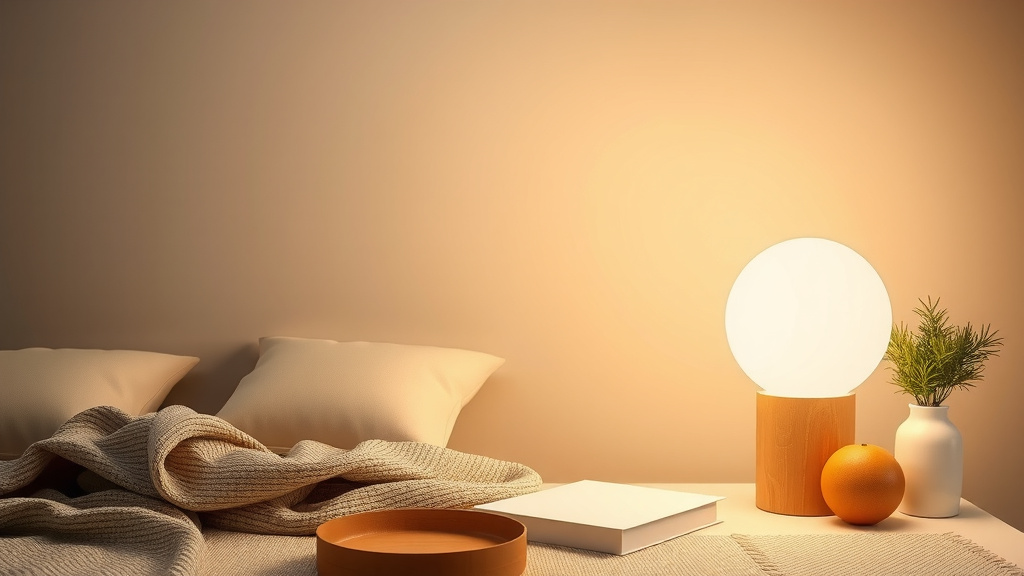
How Seasonal Depression Lamps Work to Boost Your Mood
Seasonal depression lamps, also known as light therapy lamps, work by simulating natural sunlight. This helps to regulate your body’s internal clock and improve mood when natural light is scarce. By exposing yourself to a bright light source daily, you can help combat symptoms associated with the shorter days of fall and winter.
Many people find relief from Seasonal Affective Disorder (SAD) with this simple intervention. The lamps are designed to deliver a specific amount of light intensity. This mimics the effects of outdoor brightness, which plays a key role in managing serotonin and melatonin levels in your brain.
- Seasonal depression lamps simulate natural sunlight.
- They help regulate your body’s internal clock.
- This can improve mood during darker months.
- They are a common tool for Seasonal Affective Disorder (SAD).
- Light therapy helps manage brain chemicals like serotonin and melatonin.
So, ready to learn more about how these lamps might brighten your darker days? Let’s walk through exactly how this works step by step.
Understanding How Light Therapy Lamps Help with Seasonal Mood Changes
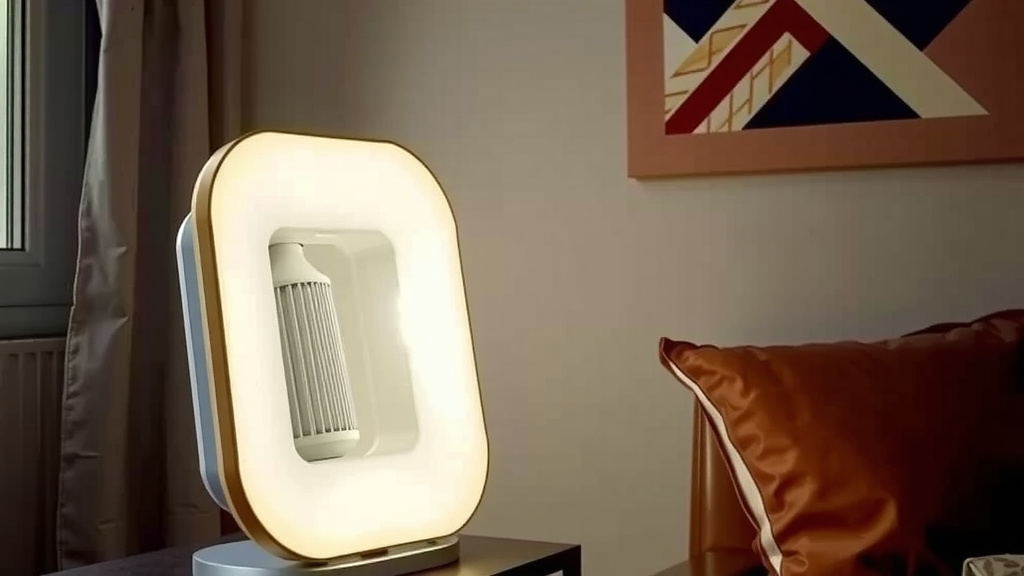
These special lamps, often called light therapy boxes, aim to mimic the effects of natural sunlight. They do this by emitting a bright light that signals your brain to adjust its natural rhythms. This is super helpful when the days get shorter and the sun seems to hide away for too long.
The Science Behind the Glow: Circadian Rhythms and Light
Your body has an internal clock, known as the circadian rhythm. This clock tells you when to sleep and when to wake up. It’s largely regulated by light exposure. When there’s less natural light, this clock can get a little out of sync. This can lead to feeling groggy, unmotivated, and even sad.
We found that consistent exposure to bright light can help reset this internal clock. It’s like giving your body a gentle nudge to get back on its usual schedule. This helps you feel more awake during the day and sleep better at night.
Your Brain on Light: Serotonin and Melatonin Mysteries
Ever wonder why you feel happier on a sunny day? It’s partly thanks to a brain chemical called serotonin. Light exposure is thought to boost serotonin levels. Serotonin is a neurotransmitter that plays a big role in regulating mood. Low levels are often linked to depression. Many experts say light therapy can help increase serotonin production (National Institute of Mental Health).
On the flip side, darkness triggers the production of melatonin. Melatonin is the hormone that makes you feel sleepy. When your body clock is off due to lack of light, you might produce too much melatonin at the wrong times. This can leave you feeling tired and sluggish. Light therapy helps to suppress melatonin production during the day, promoting wakefulness. Research suggests this balance is key for mood regulation.
What Makes a Light Therapy Lamp Different?
Not just any lamp will do. Light therapy lamps are designed to be very bright and emit a specific type of light. They are usually rated in lux, which is a measure of light intensity. You typically need a lamp that delivers at least 10,000 lux at a typical working distance. You typically need a lamp that delivers at least 10,000 lux, and our guide reviews the best bright light therapy lamps.
It’s important to note these lamps do NOT emit UV rays. The kind of light they produce is safe for your eyes and skin. You’re getting the benefits of brightness without the harmful effects of ultraviolet radiation.
Brightness Matters: The Role of Lux
Think of lux like the volume knob for light. A regular indoor lamp might be around 200-500 lux. A cloudy day outdoors can still be 1,000-4,000 lux. A bright sunny day can reach 100,000 lux!
Light therapy lamps aim to get you to that 10,000 lux level. This intense brightness is what signals your brain effectively. It’s a powerful way to compensate for the reduced natural light you’re getting. We found that using a lamp that meets this standard is essential for effectiveness.
Spectrum of Light: Blue Light vs. White Light
Most light therapy lamps emit a full-spectrum light, similar to natural daylight. Some newer lamps might use a specific wavelength of light, often blue light. Blue light is known to be particularly effective at signaling the brain to suppress melatonin and boost mood.
While blue light can be potent, some people find full-spectrum light to be more comfortable and natural. The choice often comes down to personal preference and what feels best for you. If you have concerns about eye strain, discuss this with your doctor.
How to Use Your Light Therapy Lamp for Best Results
Using a light therapy lamp is pretty straightforward. The key is consistency. You’ll want to use it every day, typically for about 20-30 minutes. Many people find it helpful to do this first thing in the morning. This helps kickstart your day and set your body clock.
You don’t need to stare directly into the lamp. Just have it on your desk or a table near you. You can read, work, or do other quiet activities while the light is on. The light should be positioned about an arm’s length away from your face. Make sure the light is shining on your eyes, but not directly into them. This allows your eyes to absorb the light’s therapeutic effects.
| Lamp Intensity (Lux) | Typical Session Duration | Recommended Distance |
|---|---|---|
| 10,000 lux | 20-30 minutes | 12-18 inches |
| 7,500 lux | 30-45 minutes | 10-15 inches |
| 5,000 lux | 45-60 minutes | 6-10 inches |
When to Expect to See Changes
Don’t expect to feel instantly transformed after one session. It often takes a few days or even a couple of weeks of consistent use to notice a difference. Your mood might gradually improve, and you might start feeling more energetic. It’s like tending to a garden; you see the results over time.
We found that patience is really important here. Stick with it! If you’re not seeing any improvement after two weeks of daily use, it might be worth discussing with your healthcare provider. They can help determine if light therapy is the right approach for you or if other options should be considered.
Making Light Therapy Part of Your Routine
To really get the benefits, you need to make using your light therapy lamp a habit. Think about when you naturally have a bit of downtime. Maybe it’s during your morning coffee, while you’re eating breakfast, or during a quiet part of your workday. Integrating it into something you already do makes it much easier to remember.
Here’s a quick checklist to help you get started and stay on track:
- Find a convenient spot for your lamp.
- Set a daily alarm as a reminder.
- Prepare a morning drink or activity to do during your session.
- Keep your lamp clean for optimal light output.
- Note how you feel before and after sessions.
- Be patient and consistent with your usage.
Conclusion
You’ve learned how light therapy lamps can offer a helping hand during darker months. By simulating natural sunlight, these lamps help reset your body’s internal clock. This can lead to better mood regulation and increased energy levels. Remember, consistency is key to experiencing the benefits. If you’re considering a light therapy lamp, start by finding a model that delivers at least 10,000 lux. Make a plan to integrate it into your daily routine, ideally in the morning. Taking this step could make a real difference in how you feel this season.
Frequently Asked Questions
How soon can I expect to feel better using a light therapy lamp?
It’s important to be patient. While some people notice mood improvements within a few days, it typically takes one to two weeks of consistent daily use to feel a difference. Your body needs time to adjust to the increased light exposure.
Can I use a regular bright lamp instead of a light therapy lamp?
No, a regular bright lamp won’t be effective. Light therapy lamps are specifically designed to emit a high intensity of light (usually 10,000 lux) without harmful UV rays. Regular lamps don’t provide the necessary brightness or spectrum to impact your body’s natural rhythms.
Is it safe to look directly into a light therapy lamp?
You don’t need to stare directly into the lamp. Position it so the light shines on your face and eyes from a comfortable distance, typically an arm’s length away. This allows your eyes to absorb the light safely without causing strain or damage.
What’s the difference between blue light and full-spectrum light therapy lamps?
Full-spectrum lamps mimic natural daylight, offering a balanced light. Blue light lamps use a specific wavelength that research suggests is particularly effective at suppressing melatonin and boosting mood. Some people find blue light more intense, while others prefer the feel of full-spectrum light.
Can I use a light therapy lamp if I’m sensitive to light?
If you have light sensitivity or any concerns about eye strain, it’s a good idea to talk to your doctor first. They can help you choose a lamp with appropriate brightness levels or suggest alternative light therapy options that might be a better fit for your needs.
![10 Best Desk Lamp Dorm [2026]](https://bestdesklamp.com/wp-content/uploads/2026/09/10-best-desk-lamp-dorm-2026-featured-768x432.jpg)
![10 Best Budget Desk Lamp [2026]](https://bestdesklamp.com/wp-content/uploads/2026/08/10-best-budget-desk-lamp-2026-featured-768x432.jpg)