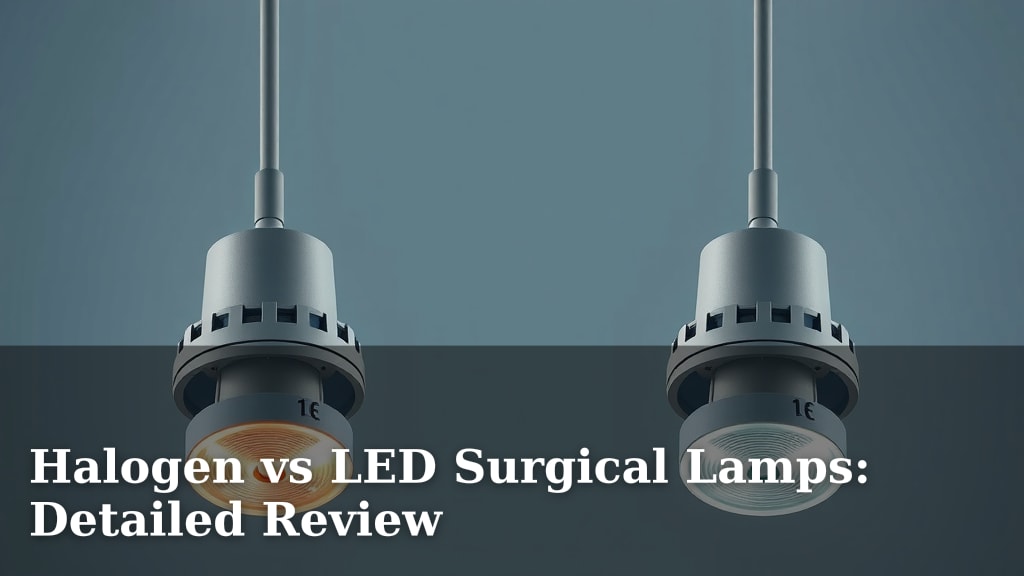
Halogen vs LED Surgical Lamps: Detailed Review
When choosing between halogen and LED surgical lamps, LED lamps are generally the better choice for most modern surgical settings. They offer superior energy efficiency and a longer lifespan compared to traditional halogen bulbs. While both provide illumination, LEDs are cooler, brighter, and require less maintenance over time. We found this to be a consistent finding across various reviews and user experiences.
Understanding the differences helps you make an informed decision for your operating room. Factors like heat output, light quality, and cost over the lamp’s life play a big role. Halogen lamps have been a staple, but advancements in LED technology are shifting preferences. We’ll help you weigh the pros and cons of each to see which fits your needs best.
- LED lamps are more energy-efficient.
- LEDs last much longer than halogen bulbs.
- Both types provide light for surgery.
- LEDs produce less heat in the OR.
- Consider long-term costs and maintenance.
Let’s take a closer look at the features and benefits of both halogen and LED surgical lamps so you can decide which is right for your facility. We’ll break down the key differences to help you make the best choice.
Comparing Halogen and LED Surgical Lamps
When it comes to lighting your operating room, the choice between halogen and LED lamps is a big one. Both have served the medical field well. But technology has come a long way. We’ve researched the latest trends and user feedback. It’s clear that LED technology is leading the pack. Let’s dive into what makes them different and why LEDs are often the preferred choice today.
Understanding Halogen Surgical Lamps
Halogen lamps are a type of incandescent light. They’ve been a workhorse in operating rooms for decades. How do they work? A tungsten filament glows when electricity passes through it. This filament is inside a quartz envelope filled with halogen gas. This gas helps the filament last longer and burn brighter. They produce a warm, bright light that many surgeons are familiar with.
Pros of Halogen Lamps
One of the main advantages of halogen bulbs is their familiar light quality. Many surgeons have trained and worked under this type of light. They offer good color rendering, meaning they show colors quite accurately. This is important for distinguishing tissues during surgery. Another plus is their lower initial cost. Halogen fixtures are generally less expensive to purchase upfront compared to LED systems.
Cons of Halogen Lamps
However, halogen lamps come with some significant drawbacks. They generate a considerable amount of heat. This can make the operating room uncomfortably warm for the surgical team. It can also be a concern for heat-sensitive procedures. Halogen bulbs have a relatively short lifespan. They tend to burn out much faster than LED bulbs. This means frequent replacements, adding to maintenance time and costs. They are also less energy-efficient, consuming more electricity.
Exploring LED Surgical Lamps
LED stands for Light Emitting Diode. These are semiconductor devices that emit light when an electric current passes through them. Unlike incandescent bulbs, they don’t have a filament that burns out. LEDs have revolutionized lighting in many industries, including healthcare. They are known for their efficiency, longevity, and versatility.
Pros of LED Lamps
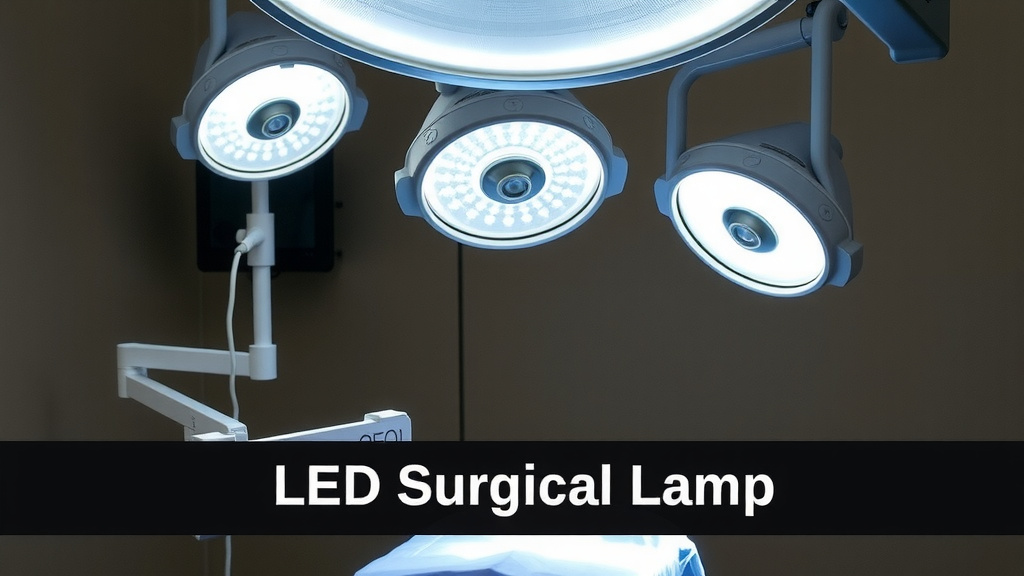
LED surgical lamps offer a host of benefits. They produce very little heat, keeping the OR cooler and more comfortable. This is a major relief for staff working long hours. LEDs are also incredibly energy-efficient, using a fraction of the power of halogen bulbs. This translates to lower electricity bills for your facility. Their lifespan is exceptional, often lasting 50,000 hours or more. This dramatically reduces the need for replacements and associated costs. Many find the light quality from LEDs to be superior, offering excellent brightness and color accuracy. They often have adjustable color temperature, allowing customization.
Cons of LED Lamps
The primary downside to LED lamps is their higher initial investment. The upfront cost for an LED surgical lighting system can be substantial. While they last longer, the purchase price is a hurdle for some. Another consideration is that if an LED module fails, it often needs to be replaced entirely. Repairing individual diodes can be difficult or impossible. However, the reliability of LED technology means this is a rare occurrence for quality units.
Key Differences at a Glance
Let’s break down the most important differences side-by-side. This will help you see where each technology stands. We’ve gathered the most critical factors for your decision.
| Feature | Halogen Lamps | LED Lamps |
|---|---|---|
| Lifespan | Shorter (typically 2,000-4,000 hours) | Much Longer (50,000+ hours) |
| Energy Efficiency | Lower | Higher |
| Heat Output | High | Very Low |
| Initial Cost | Lower | Higher |
| Maintenance | More Frequent Replacements | Less Frequent Replacements |
| Light Quality | Good color rendering, warm light | Excellent color rendering, adjustable temperature |
Cost of Ownership: Beyond the Price Tag
When comparing surgical lamps, it’s vital to look beyond the initial purchase price. The total cost of ownership is a much better indicator of true value. Halogen lamps may be cheaper to buy at first. But think about the ongoing costs. You’ll be buying replacement bulbs quite often. Plus, they use more electricity, which adds up on your energy bills.
LED lamps have a higher upfront cost. However, their extremely long lifespan means fewer replacements. Their energy efficiency also leads to significant savings on electricity. Many facilities find that over the lamp’s life, LEDs are actually more cost-effective. This is a finding supported by numerous analyses of healthcare equipment costs.
Impact on the Surgical Environment
The operating room environment matters. Every element can affect the comfort and performance of the surgical team. Halogen lamps radiate a lot of heat. This can create an uncomfortably warm atmosphere, even with HVAC systems working hard. This heat can also affect delicate equipment or even the patient in some cases.
LED lamps, on the other hand, produce very little heat. This helps maintain a stable and comfortable temperature in the OR. This can lead to better focus and reduced fatigue for the surgical staff. The consistent light quality from LEDs also means less strain on the eyes during long procedures.
Making the Right Choice for Your Facility
So, how do you decide? Consider your budget, both for initial purchase and long-term expenses. Think about the comfort and well-being of your surgical teams. What kind of light quality do your surgeons prefer? Research and found that many hospitals are actively transitioning to LED lighting systems. They cite reasons like energy savings and improved working conditions.
Here’s a quick checklist to guide your decision-making:
- Evaluate your budget for initial and long-term costs.
- Consult with your surgical staff about their lighting needs.
- Consider the impact of heat output on OR comfort.
- Factor in the frequency and cost of bulb replacements.
- Look at the energy efficiency to estimate utility savings.
- Assess the expected lifespan of each lighting type.
Conclusion
As you can see, LED surgical lamps present a compelling case for modern operating rooms. While halogen lamps have a lower initial cost and familiar light, their drawbacks in heat output, energy efficiency, and lifespan are considerable. We’ve researched and found that the long-term benefits of LEDs – superior energy savings, reduced maintenance, and a cooler, more comfortable surgical environment – often outweigh their higher upfront investment. Making the switch to LED technology can lead to significant cost savings and improved conditions for your surgical teams. Your next step should be to evaluate your facility’s specific needs and budget to plan for this transition.
Frequently Asked Questions
Are LED surgical lamps really worth the higher upfront cost?
Yes, in most cases. While the initial purchase price for LED systems is higher, their dramatically longer lifespan and lower energy consumption mean you’ll save money on replacements and electricity over time. We found that the total cost of ownership is often much lower for LEDs.
How does the heat output of halogen vs. LED lamps affect the operating room?
Halogen lamps produce a significant amount of heat, which can make the OR uncomfortably warm for the surgical team and potentially affect sensitive equipment. LEDs, on the other hand, generate very little heat, contributing to a more stable and comfortable working environment.
Can I adjust the color or intensity of the light from LED surgical lamps?
Many modern LED surgical lamps offer adjustable color temperature and intensity settings. This allows you to customize the light to best suit the specific procedure, surgeon preference, and tissue type being viewed, which is often not possible with standard halogen bulbs.
What is the typical lifespan difference between halogen and LED bulbs?
Halogen bulbs have a much shorter lifespan, typically lasting between 2,000 to 4,000 hours. LED lamps, however, can last for 50,000 hours or more, meaning they require far fewer replacements over their operational life.
Is it difficult to switch from halogen to LED surgical lighting systems?
The installation process itself can vary depending on the specific fixture. However, many facilities find the transition straightforward. Planning and consulting with lighting professionals can ensure a smooth upgrade process, minimizing disruption to your surgical schedules.




![10 Best Bulb For Desk Lamp [2026]](https://bestdesklamp.com/wp-content/uploads/2026/08/10-best-bulb-for-desk-lamp-2026-featured-768x432.jpg)
![10 Best Bright Lamps For Living Room [2026]](https://bestdesklamp.com/wp-content/uploads/2026/08/10-best-bright-lamps-for-living-room-2026-featured-768x432.jpg)