How Many Chicks Per Heat Lamp? A Brooder Space Guide
Most backyard keepers fit 20 to 25 chicks under one standard 250-watt heat lamp. That number works best when your brooder sits in a warm room where temps stay above 60°F. Got a colder garage or barn? Drop that down to 12 to 15 chicks per lamp so nobody gets left out in the chill.
Here’s the thing: the lamp is only half the equation. Your brooder size, room temperature, and the age of your chicks all change the math. We researched what poultry experts and seasoned keepers recommend, and they all agree on one point — watch the chicks, not just the thermometer. If they huddle tight under the lamp, they’re cold. If they crowd the far edges, they’re too hot. It’s honestly the best thermostat you’ll ever get, and it clucks.
Quick recap before we dig in:
- One 250-watt heat lamp comfortably warms 20 to 25 chicks in a mild indoor space.
- Cold environments cut that down to about 12 to 15 chicks per lamp.
- Older chicks need less heat, so one lamp can handle more of them as weeks pass.
- Brooder size matters — a lamp only covers the area directly beneath it.
- Chick behavior is your best signal that the temperature is right.
Below, we break down everything you need to know about how many chicks per heat lamp — from brooder setup to seasonal tweaks — so your fluffy little flock stays warm, safe, and thriving.
Finding the Right Chick Count for Your Heat Lamp
The short answer: one 250-watt heat lamp handles roughly 20 chicks in a warm indoor brooder. In a chilly space, plan for closer to 12 to 15. That’s the starting point most poultry extension guides give, and it’s a solid one (USDA Cooperative Extension).
But here’s what we found when we dug deeper: chick count isn’t a fixed rule. It’s more like a recipe you adjust based on your setup. Let’s walk through the pieces.
Why Brooder Size Changes Everything
A heat lamp doesn’t warm a room. It warms a circle of space directly beneath it — think of a campfire. You can stand near it or far away, but the warm zone stays the same size. If your brooder is huge, chicks at the edges can’t benefit from the lamp no matter how few chicks you have. Still deciding whether a lamp is the right heat source at all? Our brooder vs. heat lamp comparison walks through both options for new keepers.
Many experts recommend a brooder that lets chicks move freely between the warm zone and a cooler zone (Penn State Extension). That choice to walk away from heat is how they self-regulate.
How to Measure Your Warm Zone
Here’s a simple way to think about it. A 250-watt bulb suspended 18 inches above the floor warms roughly a 2-foot circle. For every 25 square inches of floor space per chick inside that warm zone, you can comfortably fit about 20 chicks.
Got a stock tank brooder that’s 2 by 4 feet? One lamp covers it well. Got a 10-foot kiddie pool setup? You’ll need two lamps or one lamp plus a supplemental heat plate.
Chick Age and Temperature: The Weekly Math
Chicks need about 95°F in week one, then you drop the temperature roughly 5 degrees each week until they feather out. Fewer chicks need the lamp’s full punch as the weeks pass — which means your chick-per-lamp count actually goes up over time.
We found this breakdown matches what most extension services publish:
| Chick Age | Target Temp Under Lamp | Chicks per 250-Watt Lamp |
|---|---|---|
| Week 1 | 90–95°F | 15–25 |
| Weeks 2–3 | 80–85°F | 25–35 |
| Weeks 4–5 | 70–75°F | 35–50 |
| Week 6+ | Feathered, room temp OK | Lamp often optional |
Notice how the numbers grow? By week four, your original lamp is basically sipping energy while covering twice the chicks. Just make sure the brooder itself grows with them — crowding causes pecking and stress faster than cold does.
Room Temperature and Seasonal Tweaks
Your house, garage, or barn matters more than most new keepers expect. The lamp only adds heat on top of what’s already there. A basement that sits at 65°F does half the work for you.
Brooding in a Cold Garage or Barn
If your space dips below 50°F, cut the chick count per lamp and lower the bulb to 12–15 inches above the litter. Draft guards — cardboard rings around the brooder edge — help more than people realize. A cheap cardboard box wall can block a breeze that would otherwise chill a whole row of chicks.
Some keepers in northern states swear by adding a heat plate alongside the lamp. We found this combo works especially well for winter broods, since plates give chicks direct contact warmth without the fire risk of a bare bulb.
Does Bulb Wattage Change the Count?
Yes, and it’s worth a minute of your time. A 250-watt infrared bulb is the classic choice, and it’s what the standard counts assume. Lower-wattage bulbs — 100 or 150 watts — cover fewer chicks, maybe 8 to 12 apiece in cool rooms.
Red bulbs are worth considering, too. They glow dimly, which helps calm chicks and discourages pecking. Clear white bulbs are brighter and can stir up trouble in a crowded brooder. If you’ve ever seen a feather-picking episode start, you know why calm matters.
Reading Chick Behavior Like a Pro
Forget the thermometer for a second. Your chicks will tell you the truth, loudly and constantly. Extension poultry specialists have said for decades that chick behavior is the most reliable gauge (Mississippi State University Extension).
What the Flock Is Telling You
Watch for these patterns during your first week:
- Panting, wings drooped, pressed to brooder edges — too hot. Raise the lamp or drop the wattage.
- Loud cheeping that won’t quit — usually too cold, sometimes too crowded. Check both.
- Even spread across the floor, quiet and pecking — you nailed it. Do nothing. Seriously, just enjoy it.
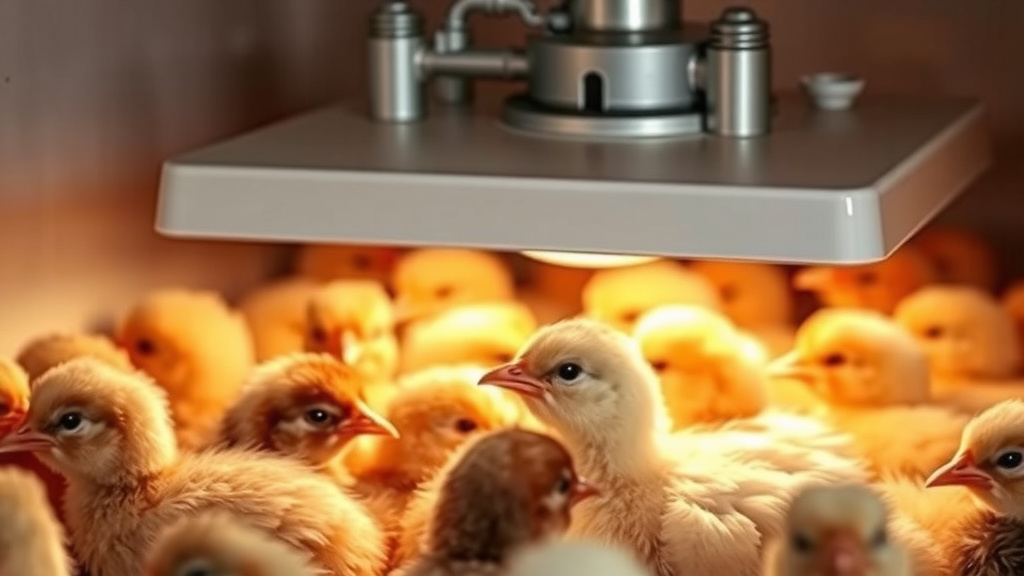
- Huddled in a tight pile under the lamp — cold. Lower the lamp or reduce the chick count.
That last one is the big warning sign for the chick-per-lamp question. A tight huddle means the warm zone can’t support everyone. Either shrink the flock per lamp or shrink the brooder.
Your Heat Lamp Safety Checklist
Heat lamps cause a surprising number of coop and barn fires every year, and fire safety groups consistently flag them as a top barn hazard (CDC). Before you plug in, run through this list — we promise it takes two minutes:
- Secure the lamp two ways — a clamp plus a chain or wire backup, attached to something solid.
- Keep the bulb at least 18 inches from bedding and never let litter pile up near it.
- Use bulbs rated for heat lamps only — no household bulbs, no substitutions.
- Check that cords sit outside pecking range, or cover them.
- Wipe dust off the bulb weekly. Dust on hot glass is how small fires start.
- Have a working smoke detector near the brooder space. Non-negotiable.
When One Lamp Just Isn’t Enough
Sometimes the honest answer is: get a second lamp. If your chicks spread out in a ring around the warm zone but still cheep, the zone is too small for the crowd. Adding a second 250-watt lamp on the opposite side doubles your coverage without doubling your brooder.
Two lamps on a thermostat-controlled setup also gives you a backup. If one bulb burns out overnight in a January brood, you’ve still got heat. Ask anyone who’s lost chicks to a dead bulb at 3 a.m. — they’ll tell you redundancy is worth every penny.
Conclusion
Figuring out how many chicks per heat lamp comes down to a few simple numbers: start with 20 to 25 chicks under one 250-watt bulb in a warm room, drop to 12 to 15 in a cold space, and add lamps as your brooder grows. But the real secret isn’t math — it’s watching your chicks. Their behavior tells you everything you need to know, and it tells you every single day. We found that keepers who trust their eyes over the thermometer almost always end up with happier flocks. So here’s your next step: set up your brooder with two temperature zones, secure that lamp with a backup chain, and check on your chicks within the first few hours. If they’re spread out and quiet, you’ve nailed it.
Frequently Asked Questions
Can I use a regular desk lamp or clamp light for baby chicks?
You can use a clamp light fixture, but it must be rated for a 250-watt bulb — most desk lamps aren’t. Regular household fixtures can melt or spark under that much heat. We recommend a ceramic-rated brooder lamp with a wire safety backup, no exceptions.
Do I need to run the heat lamp at night?
Yes, especially during weeks one through three. Nighttime temps drop even in heated homes, and chicks can’t fluff up enough on their own yet. Once they’re fully feathered around six weeks, you can start weaning them off the lamp.
Should I turn off the heat lamp during a summer heat wave?
If your brooder room already sits above 90°F, the lamp adds nothing but risk. Raise it higher or switch it off, then watch your chicks closely. If they’re panting or holding their wings away from their bodies, the lamp needs to come down in power or go off completely.
How long does a heat lamp bulb last, and should I keep a spare?
Most 250-watt infrared bulbs last anywhere from a few weeks to a full brooding season, but they can burn out without warning. We always suggest keeping at least one spare bulb on hand before your chicks arrive. Losing heat at 2 a.m. with no backup is a rough way to learn this lesson.
Can a heat plate replace a heat lamp entirely?
For most small backyard broods, yes. Heat plates warm chicks through direct contact, use less electricity, and carry far less fire risk than a bare bulb. The tradeoff is capacity — a standard plate handles fewer chicks than a 250-watt lamp, so larger flocks still benefit from lamp coverage.