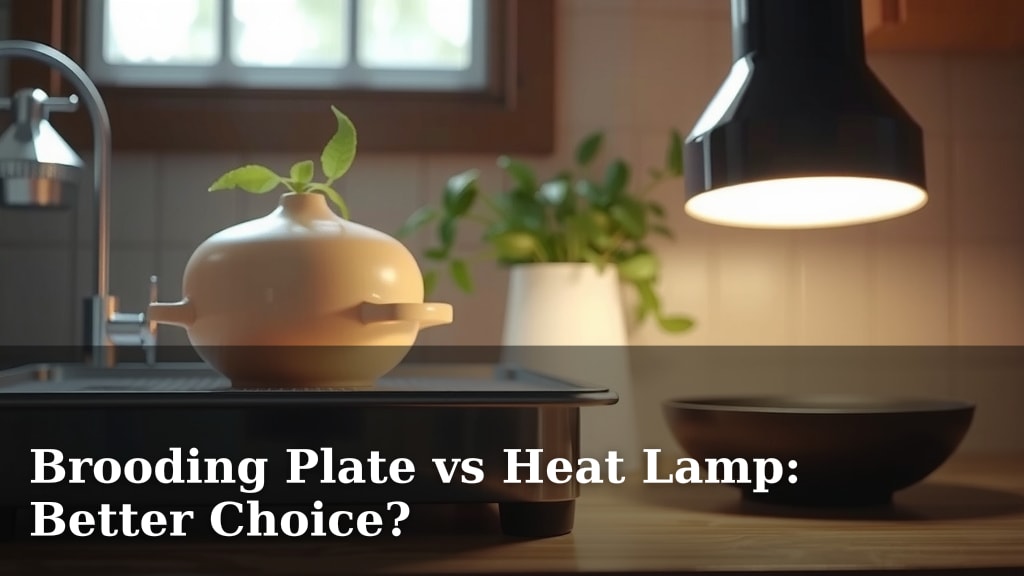
Brooding Plate vs Heat Lamp: Better Choice?
When it comes to keeping your chicks warm, a brooding plate is generally the better choice over a heat lamp. While both provide warmth, brooding plates offer a safer and more consistent heat source for your young birds, reducing the risks associated with heat lamps. You want your little ones to be snug and secure, right?
Choosing the right heating method is super important for chick survival. Heat lamps can be fire hazards and often create uneven temperatures, making it tough for chicks to regulate their body heat. A brooding plate, on the other hand, mimics a mother hen’s warmth more closely, providing a gentle and reliable heat that your chicks will love. We’ve seen many backyard chicken keepers switch to plates for peace of mind.
- Brooding plates are safer and reduce fire risk.
- They offer more consistent and gentle warmth.
- Heat lamps can create hot spots and drafts.
- Plates are often more energy-efficient over time.
- A happier, healthier chick is the goal!
Let’s dive into the details and figure out which of these popular chick-warming methods is the perfect fit for your flock.
Comparing Chick Brooder Heat Sources: Plates vs. Lamps
Keeping your baby chicks warm is the number one priority. You’ve got two main choices for providing that cozy heat. They are brooding plates and heat lamps. Both work, but one is generally a much better fit. We’ve found that brooding plates are the popular pick for many chicken keepers now. Let’s break down why you might prefer a plate for your little fluffballs.
| Feature | Brooding Plate | Heat Lamp |
|---|---|---|
| Safety | Much safer, low voltage, no exposed bulbs. | Fire hazard risk, fragile bulbs, potential for overheating. |
| Heat Consistency | Even, gentle heat from below. | Can create hot spots and cool zones. |
| Chick Behavior | Chicks naturally gather underneath, mimicking a hen. | Chicks may huddle too close or stay too far away. |
| Energy Use | Generally more energy-efficient. | Can consume more electricity, especially older models. |
| Durability | More robust, less prone to breakage. | Bulbs are fragile, can break easily. |
| Setup | Simple plug-and-play. | Requires secure mounting, careful placement. |
Understanding the Brooding Plate: Gentle, Consistent Warmth
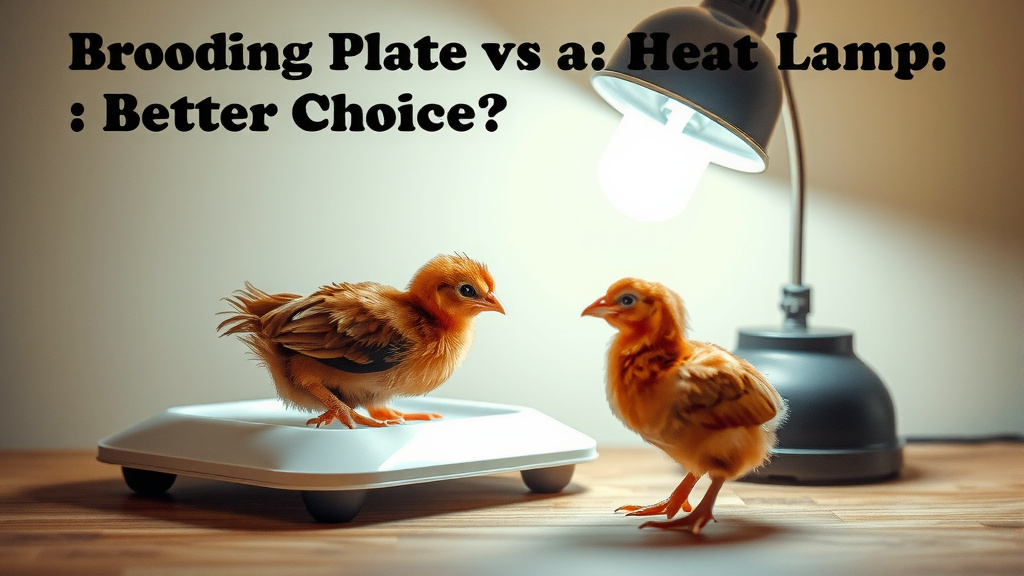
Think of a brooding plate as a gentle, artificial mother hen. It sits low to the ground, usually about an inch or two above the bedding. Chicks can walk under it easily. They can then choose to be warmer or cooler by moving closer or further away. This is a very natural behavior for them. Research shows this ability to self-regulate is vital for young birds (University of Kentucky Extension). A plate provides this control.
How Brooding Plates Work
These plates use low-wattage heating elements. They are typically covered by a durable plastic or metal surface. The heat radiates upwards, creating a warm zone underneath. It’s a very subtle warmth. It doesn’t blast heat like a lamp. This steady, mild heat is perfect for delicate chick systems. It mimics the body heat of a mother hen quite well. Many keepers find their chicks are calmer and less stressed under a plate.
The Safety Advantage of Plates
Safety is a huge selling point for brooding plates. Traditional heat lamps have a major downside: fire risk. We’ve all heard the horror stories. A lamp falling or a bulb touching bedding can start a fire quickly. Brooding plates operate on low voltage. They don’t have exposed bulbs that can shatter or overheat. This significantly reduces the chance of a fire. You can sleep a little easier knowing your coop is safer.
The Heat Lamp: A Traditional, But Risky, Option
Heat lamps have been the go-to for chick warmth for decades. They use infrared bulbs to produce intense heat. This heat is directed downwards onto the chicks. While effective at providing warmth, they come with a significant list of drawbacks. Many experienced keepers now avoid them due to the safety concerns and temperature inconsistencies.
Challenges with Heat Lamp Temperatures
One of the biggest issues with heat lamps is temperature control. They tend to create hot spots directly beneath the bulb. Chicks can easily get too hot there. Conversely, areas further away from the lamp can be too cool. This leads to uneven brooding. Chicks might fight over the “perfect” spot. Or they might be too cold at night. You constantly need to monitor and adjust the lamp’s height. This can be a real hassle.
Drafts and Uneven Heating
Heat lamps can also contribute to drafts. As the warm air rises, it can create air currents. Chicks can get chilled by these drafts. A mother hen provides a consistent, enveloping warmth. A heat lamp is more like a spotlight of heat. It doesn’t offer that all-around coziness. This is why you’ll often see chicks panting under a lamp, or conversely, crowding all together in one spot to stay warm.
The Fire Hazard Factor
Let’s talk about the elephant in the room: fire. Heat lamps are a known fire hazard. The bulbs get extremely hot. They can easily ignite dry bedding, dust, or other flammable materials. Even a small bump can send a hot bulb crashing down. While secure mounting helps, accidents can still happen. The risk, however small, is a serious concern for many flock owners. Peace of mind is worth a lot when it comes to your pets.
Making the Switch: Tips for Brooding Plate Success
If you’re currently using a heat lamp, making the switch to a brooding plate is usually quite straightforward. You’ll want to choose a plate that’s appropriately sized for the number of chicks you have. Too small, and they won’t all fit comfortably. Too large, and it might not heat a section of the brooder effectively.
Setting Up Your Brooding Plate
Placement is key. Ensure the plate is stable and at the correct height. Most manufacturers recommend about an inch or two clearance. This allows chicks to easily access the warmth. Make sure the chicks can get under it easily. They should also be able to get out from under it easily if they get too warm. Observe your chicks closely for the first few days. Their behavior will tell you if the temperature is just right.
Monitoring Your Chicks’ Comfort
Even with a brooding plate, it’s wise to keep an eye on your chicks. If they are all huddled tightly under the plate, it might be a bit too cool. If they are trying to get as far away from the plate as possible, it might be too warm. Ideally, you want to see them spread out a bit. Some will be under the plate, some near it, and some further away. This shows they can regulate their own temperature. This is the sign of a happy, healthy brooder.
Why Brooding Plates Are the Smarter Choice for Most
We’ve looked at the pros and cons, and the evidence points towards brooding plates being the superior option. They offer a safer environment and more consistent heat. This leads to healthier, happier chicks. While heat lamps have been used for years, their inherent risks and temperature control issues make them less ideal. For the modern chicken keeper, a brooding plate offers peace of mind and a better start for your flock.
A Checklist for a Successful Brooder Setup
Here’s a quick checklist to ensure your brooder is set up for success:
- Choose the right size brooding plate for your flock.
- Ensure the plate is stable and at the correct height.
- Provide fresh water and chick starter feed readily accessible.
- Use appropriate bedding that is absorbent and safe.
- Monitor chick behavior to ensure they are comfortable.
- Have a thermometer available to check ambient brooder temperature.
Conclusion
When it comes to warming your new chicks, a brooding plate emerges as the clear winner. We’ve seen how it provides safer, more consistent warmth compared to the fire risks and temperature fluctuations of heat lamps. By mimicking a mother hen’s gentle heat, plates allow chicks to self-regulate their temperature naturally, leading to calmer, healthier birds. Making the switch is a straightforward way to ensure your flock gets the best possible start. Your chicks deserve this peace of mind and comfort!
Frequently Asked Questions
Can I use a brooding plate for older chicks?
Brooding plates are primarily designed for young chicks, typically up to 3-4 weeks old. Once your chicks start to grow their feathers and can regulate their body temperature better, you can gradually reduce the heat or transition them to a draft-free environment without supplemental heat.
How many chicks can fit under a typical brooding plate?
Most standard brooding plates are designed to accommodate between 15-25 chicks, depending on the size of the plate and the breed of chicken. Always check the manufacturer’s recommendations to ensure you select a plate that’s appropriately sized for your flock to prevent overcrowding.
What are the energy savings of a brooding plate versus a heat lamp?
Brooding plates are generally more energy-efficient because they use lower wattage and provide a more targeted, consistent heat. Heat lamps, especially older incandescent models, consume more electricity to produce their intense heat, often leading to higher energy bills over time.
How do I know if my chicks are too hot or too cold under the plate?
Observe your chicks’ behavior. If they are all huddled directly under the plate and chirping loudly, it might be too cool. If they are trying to escape the heat and spread out as far as possible, it’s likely too warm. The ideal scenario is seeing them spread out comfortably, with some under the plate, some nearby, and some further away.
Are brooding plates easy to clean?
Yes, brooding plates are generally very easy to clean. Most have smooth, wipeable surfaces that can be cleaned with a damp cloth and a mild disinfectant. Always ensure the plate is unplugged and completely cooled before cleaning to prevent damage or injury.


![10 Best Adjustable Desk Lamp [2026]](https://bestdesklamp.com/wp-content/uploads/2026/09/10-best-adjustable-desk-lamp-2026-featured-768x432.jpg)
![10 Best Candle Warmer Lamp Ikea [2026]](https://bestdesklamp.com/wp-content/uploads/2026/08/10-best-candle-warmer-lamp-ikea-2026-featured-768x432.jpg)