How a Table Lamp Works: A Simple Explanation
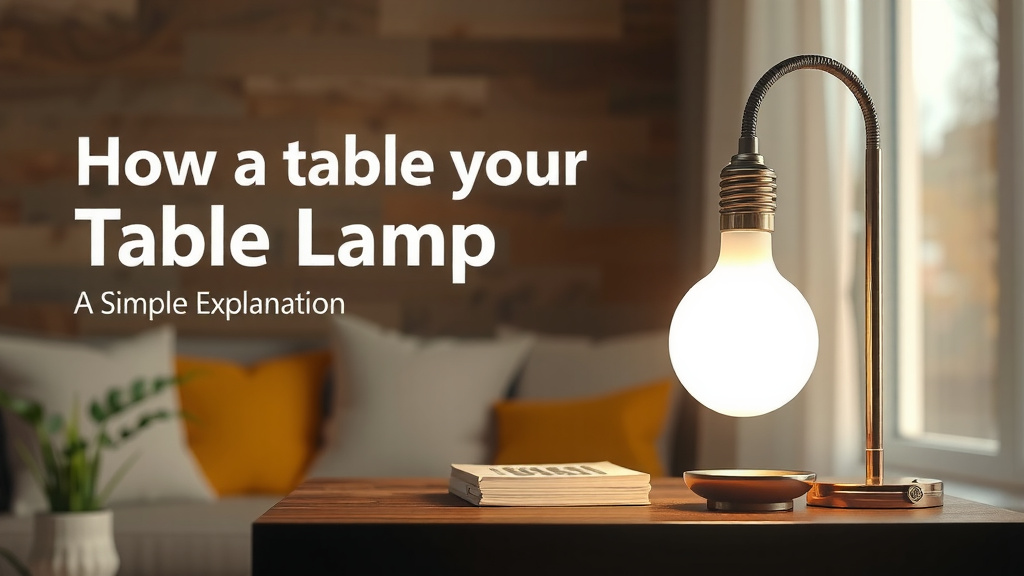
A table lamp works by converting electrical energy into light. It typically involves a bulb, a socket, a switch, and a power cord, all housed within a decorative base and shade. When you flip the switch, it completes an electrical circuit, allowing power to flow to the bulb and produce illumination.
Understanding how your table lamp functions can demystify everyday technology. It’s a clever assembly of simple parts working together to brighten your space. From reading nooks to bedside tables, these lamps are staples in many homes, providing both light and style. We found that their design prioritizes both functionality and aesthetics.
- Table lamps turn electricity into light.
- Key parts include a bulb, socket, switch, and cord.
- Flipping the switch completes the circuit to light the bulb.
- They’re designed for both utility and home decor.
Let’s walk through exactly how this common household item lights up your room, step by step.
Understanding How Your Table Lamp Creates Light
A table lamp seems so simple, right? You flip a switch, and poof! Light appears. But have you ever stopped to wonder about the magic happening behind that glow? It’s actually a clever orchestration of electricity and simple physics. We found that at its core, your table lamp works by converting electrical energy into light energy, a process that’s both efficient and incredibly useful.
The Journey of Electricity: From Outlet to Illumination
So, how does that electricity get to the bulb? It all starts with the power cord. This cord is essentially a flexible wire that connects your lamp to the electrical outlet in your wall. Think of it as the lamp’s lifeline, bringing the power needed to make it all happen. This is the very first step in our lamp’s light-making journey.
The Role of the Power Cord and Plug
The power cord has two main parts: the plug that goes into your outlet and the wires that run up into the lamp. These wires carry the alternating current (AC) from your home’s wiring system. We found that the plug has two or three prongs, depending on whether the lamp is grounded for safety. For most standard table lamps, it’s the two flat prongs you’ll see.
Inside the Lamp: The Wiring Path
Once the electricity enters the lamp through the cord, it travels through internal wires. These wires are carefully insulated to keep you safe. They lead to the various components that make the lamp function, like the switch and, eventually, the socket where the light bulb sits. It’s a dedicated path, ensuring the power flows where it needs to go.
The Essential Components: A Closer Look
Every table lamp, no matter how fancy or basic, is built with a few key players. These parts work in harmony to deliver that comforting light. We found that understanding these components can help you troubleshoot if your lamp ever stops working.
The Humble Light Bulb: Where the Magic Happens
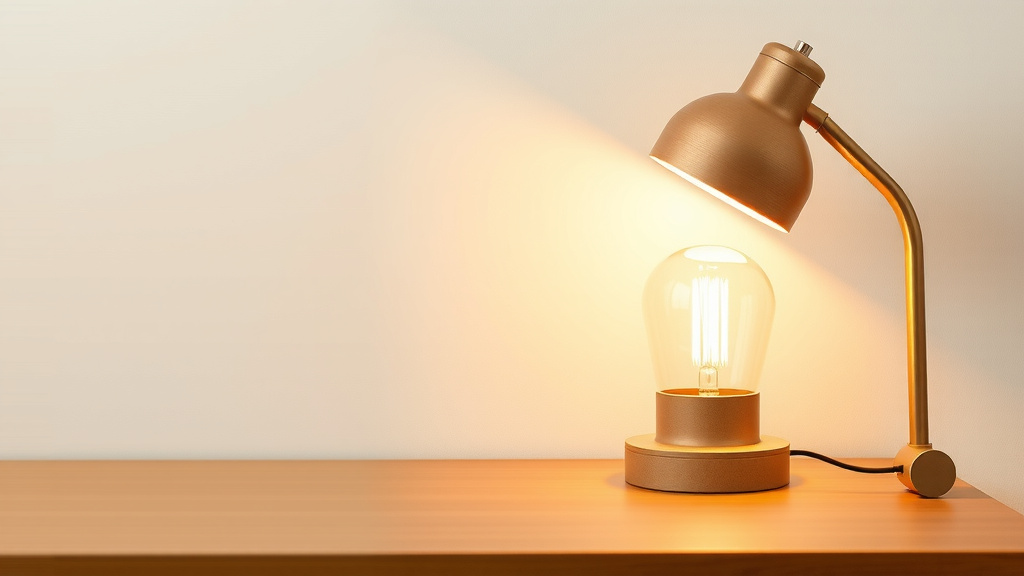
The light bulb is the star of the show, isn’t it? It’s the part that actually emits light. While the technology has evolved over the years, the basic principle remains the same. Different types of bulbs, like incandescent, LED, and CFL, produce light through slightly different methods, but they all serve the same purpose.
Incandescent Bulbs: The Traditional Glow
These are the classic bulbs many of us grew up with. An incandescent bulb works by passing electricity through a thin wire called a filament, usually made of tungsten. This filament heats up so much that it glows brightly. It’s like a tiny, controlled fire, but without the flames. We found that this method is very inefficient, as most of the energy is lost as heat, not light.
LED Bulbs: The Modern Marvel
LED stands for Light Emitting Diode. These bulbs are far more energy-efficient than incandescent ones. They use semiconductors to convert electricity directly into light. Many experts say LEDs are popular because they last much longer and produce very little heat. This makes them a cost-effective and eco-friendly choice for your table lamp.
CFL Bulbs: A Mid-Century Innovation
CFL stands for Compact Fluorescent Lamp. These bulbs work a bit differently. Electricity excites a gas inside the bulb, which then emits ultraviolet (UV) light. This UV light then hits a coating on the inside of the bulb, causing it to glow. We found that CFLs use less energy than incandescents but are less efficient than LEDs. CFL stands for Compact Fluorescent Lamp. These bulbs work a bit differently. Our comparison of fluorescent vs. CFL lamps explains these differences.
The Light Socket: Holding the Bulb Securely
The light socket, also known as the lampholder, is where you screw in the light bulb. It’s more than just a holder; it’s the crucial connection point. Inside the socket, metal contacts are wired to the lamp’s internal circuitry. When you screw in the bulb, these contacts touch the base of the bulb, allowing electricity to flow into it. It’s a simple but vital piece of the puzzle.
The Switch: Your Command Center
The switch is your gatekeeper for light. Whether it’s a simple toggle, a rotary knob, or a touch-sensitive button, its job is the same: to control the flow of electricity. When you flip the switch to the “on” position, you are closing an electrical circuit. This allows electricity to travel from the power source, through the wiring, to the light bulb. The switch is your gatekeeper for light. Our guide on how to tell if a lamp is 3-way can help you understand its function.
How a Simple Switch Works
Think of a switch like a drawbridge. When the bridge is up (off position), the electricity can’t cross. When you lower the bridge (on position), the electricity flows freely. We found that most table lamp switches are designed to interrupt the flow of electricity in one of the wires. Flipping it breaks or completes this path. This is a fundamental concept in electrical circuits.
The Base and Shade: More Than Just Looks
The base of the lamp provides stability, preventing it from tipping over. It also houses much of the internal wiring and the electrical components. The shade, on the other hand, does more than just look pretty. It diffuses and directs the light. It softens the harsh glare of the bulb and spreads the light more evenly, making your room more comfortable. We found that the material and color of the shade can significantly impact the quality of light.
Putting It All Together: The Complete Circuit
So, when you plug in your lamp and flip the switch, here’s what happens in sequence:
- Power Source: Electricity flows from your wall outlet through the power cord.
- Switch Engaged: You flip the switch, closing the circuit and allowing the current to pass.
- To the Socket: The electricity travels through the lamp’s internal wiring to the light socket.
- Into the Bulb: The socket’s contacts connect with the bulb’s base, sending electricity into the filament or semiconductor.
- Light Produced: The bulb converts electrical energy into light (and some heat!).
- Shade’s Role: The shade softens and directs this light into your room.
It’s a beautifully simple system, isn’t it? Many guidelines suggest regular checks of cords and bulbs for safety and optimal performance (Consumer Product Safety Commission). This ensures your lamp continues to work reliably for years to come.
A Quick Checklist for Your Lamp’s Functionality
Want to make sure your lamp is in tip-top shape? Here’s a quick checklist:
- Check that the bulb is screwed in tightly.
- Ensure the power cord is not damaged or frayed.
- Test the switch to see if it feels loose or sticky.
- Make sure the bulb type is compatible with your lamp.
- Consider if the shade is positioned correctly for best light distribution.
Conclusion
You’ve now walked through the journey of electricity from your wall outlet to the light illuminating your space. From the power cord carrying the charge to the switch completing the circuit, each component plays a vital role. We found that understanding these simple mechanics demystifies your table lamp, highlighting its blend of design and function. Knowing how it works can even help you troubleshoot minor issues. Now that you know the basics, take a moment to appreciate the engineering behind this everyday essential. Next time you flip the switch, you’ll have a deeper understanding of the light you’re enjoying.
Frequently Asked Questions
What’s the main difference between LED and incandescent bulbs in a table lamp?
Incandescent bulbs create light by heating a filament until it glows, which uses a lot of energy and produces heat. We found that LED bulbs, on the other hand, use semiconductors to convert electricity directly into light, making them much more energy-efficient and longer-lasting.
Can I use any type of bulb in my table lamp?
You should always check the lamp’s specifications or the maximum wattage listed on the socket. Using a bulb with too high a wattage can cause overheating and potentially damage the lamp or its wiring, as research by safety experts suggests.
Why does my table lamp flicker sometimes?
Flickering can often be due to a loose bulb, a failing bulb, or an issue with the switch or internal wiring. We found that ensuring the bulb is screwed in tightly and testing a new bulb is a good first step for troubleshooting.
Does the lampshade really affect how much light I get?
Yes, it does! The lampshade’s primary job is to diffuse and direct light. A darker or thicker shade will absorb more light, resulting in less illumination in the room compared to a lighter, thinner shade.
What if my lamp’s cord is slightly frayed, is it safe to use?
A frayed cord is a safety hazard and should not be used. We found that exposed wires can lead to electric shock or fire. It’s best to have the cord repaired or replaced by a qualified professional, or consider replacing the lamp entirely.


![10 Best Contemporary Lamp Shade [2026]](https://bestdesklamp.com/wp-content/uploads/2026/09/10-best-contemporary-lamp-shade-2026-featured-768x432.jpg)