How Long to Cure Gel Nails Under an LED Lamp: Timing Guide
Gel nails need 60 seconds under an LED lamp for most standard polishes. Some formulas only take 30 seconds per coat, while thicker builder gels can require up to 120 seconds. The exact time is always printed on your polish bottle, so check it first.
Why does timing matter so much? If you pull your hand out too early, your polish can stay tacky, smudge, or peel off within days. Leave it under too long, and you risk heat spikes that feel like little firecrackers on your nails. We researched what nail techs recommend, and the sweet spot is usually right in the middle.
TL;DR — quick answers:
- Most gel polishes cure in 60 seconds per coat under an LED lamp.
- Base and top coats usually need the same time as color coats.
- Thin layers cure better and faster than thick ones.
- Always follow the cure time listed on your specific polish.
- UV lamps take longer, around 2 minutes, compared to LED.
Confused about which setting to use or why your nails still feel sticky after curing? You’re not alone — this trips up almost everyone at first. Below, we break down everything you need to know about curing gel nails under an LED lamp, step by step. Want the science behind the timer? Our guide to how LED nail lamps cure gel explains what the light actually does.
Curing Gel Nails Under an LED Lamp: The Right Times
Here’s the short version: standard gel polish needs about 60 seconds under an LED lamp per coat. Some quick-cure formulas finish in 30 seconds. Thicker gels, like builder gel, can take up to 120 seconds. Your bottle label always wins — when in doubt, follow it.
We found that most home curing problems come from guessing instead of reading the label. So let’s fix that.
Why Cure Times Change From Bottle to Bottle
Not all gel polish is made the same. Each brand uses its own mix of photoinitiators — the ingredients that react to light and turn liquid gel into a hard, shiny finish. Different mixes react to different wavelengths, so cure times vary.
Think of it like baking. A brownie mix and a cookie mix both go in the oven, but not for the same minutes. Your lamp and your polish need to be a matching pair.
Many experts say using a lamp from the same brand as your polish gives the most reliable results (OPI and other major brands publish matching lamp guidance). If yours don’t match, add a little extra time rather than less.
Base, Color, and Top Coats: Do They Need Different Times?
Usually no — but there are small differences worth knowing.
Base Coat Timing
Base coats are thin, so most cure in 30 to 60 seconds. Check the bottle, since some rubberized base coats want a bit longer.
Color Coat Timing
This is where most people spend their time. Standard color coats run about 60 seconds under LED. Dark shades like black and deep red often need the full minute or more.
Top Coat Timing
Top coats cure fast because they go on thin. Most need just 30 to 60 seconds. Wipe off the sticky residue afterward with isopropyl alcohol — that film is normal, not a mistake.
LED Lamp Cure Time Chart by Gel Type
Here’s a handy cheat sheet we put together from manufacturer recommendations and nail tech advice.
| Gel Type | LED Lamp Time | Notes |
|---|---|---|
| Base coat | 30–60 seconds | Thin layer, cures quickly |
| Standard color coat | 60 seconds | Dark colors may need longer |
| Quick-cure polish | 30 seconds | Label will say “30-second cure” |
| Top coat | 30–60 seconds | Sticky film after is normal |
| Builder / hard gel | 60–120 seconds | Never rush these — they’re thick |
| Gel tips / extensions | 60 seconds per side | Cure one hand at a time |
Builder Gels and Hard Gels Take Longer
These gels are much thicker than polish, so light has to travel through more product. That’s why they need up to two full minutes. Rushing them leaves soft spots underneath that can cause lifting or even sore nails.
Signs Your Gel Nails Are Fully Cured
How do you know when you’re done? Your nails tell you. Look for these:
- The surface is hard and won’t dent when pressed with a fingernail.
- The shine is even across every nail.
- Color looks fully opaque — no darker, wet-looking patches.
- Edges near the cuticle aren’t tacky.
- You can tap nails together without that soft, rubbery sound.
One sticky layer on top after curing is fine. That’s called the inhibition layer, and it wipes away with alcohol. Soft or dented nails underneath are not fine — they need more time.
What Happens If You Under-Cure or Over-Cure
Under-cured gel is the bigger problem. Trapped uncured product can irritate the skin around your nail and often causes peeling within days. Dermatologists warn that reactions to uncured gel monomers can lead to itching, blisters, or contact dermatitis (American Academy of Dermatology). If your nails ever sting or itch after a manicure, under-curing is a common suspect.
Over-curing has fewer risks, but it isn’t harmless. Long exposure can cause heat spikes and may make the gel brittle over time. It can also yellow lighter shades.
How to Handle Heat Spikes
Ever felt a burning flash under the lamp? That’s a heat spike — the gel curing quickly and releasing warmth. Many experts say the fix is simple: pull your hand out for a few seconds, then slide it back in. Curing in short bursts keeps it comfortable.
Thin Layers Cure Better Than Thick Ones
Here’s the golden rule almost every nail tech repeats: thin coats win. Thick blobs block light from reaching the bottom layer, so the middle stays gooey while the top looks done. It’s like toasting a thick sandwich — the outside burns before the inside warms up.
Apply a thin coat, cure it, then add another thin coat. Two or three thin layers beat one thick slab every single time.
LED vs UV Lamps: Does the Lamp Type Change Timing?
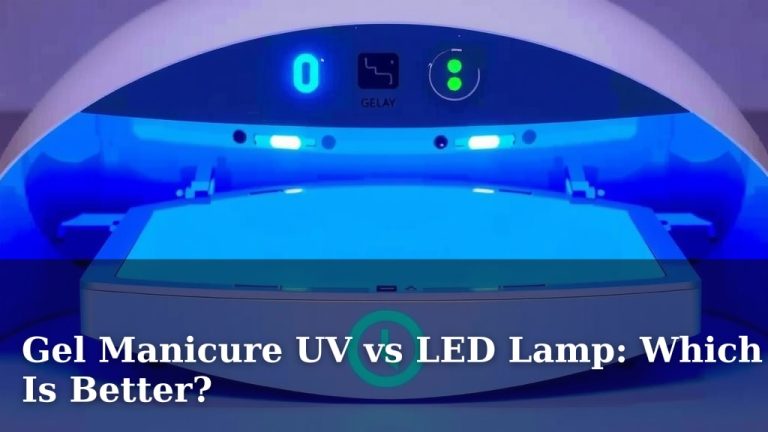
Yes, big time. LED lamps cure most gels in 30 to 60 seconds. Traditional UV lamps need about two minutes per coat because they emit a narrower range of wavelengths. If your gel still feels soft after a minute, check whether your lamp is actually LED or UV before adding more time blindly.
A quick note on safety: LEDs also produce less overall UV exposure per session, which many users find reassuring (American Academy of Dermatology suggests using fingerless gloves or sunscreen if you cure often).
Your Pre-Cure Checklist
Before you slide your hand under that lamp, run through this list. It takes ten seconds and saves you from redoing everything later.
- Read the bottle — the cure time is printed right on it.
- Check that your lamp matches your polish brand, if possible.
- Apply a thin layer, cap the free edge, and avoid pooling at the cuticle.
- Set a timer or use your lamp’s built-in setting instead of guessing.
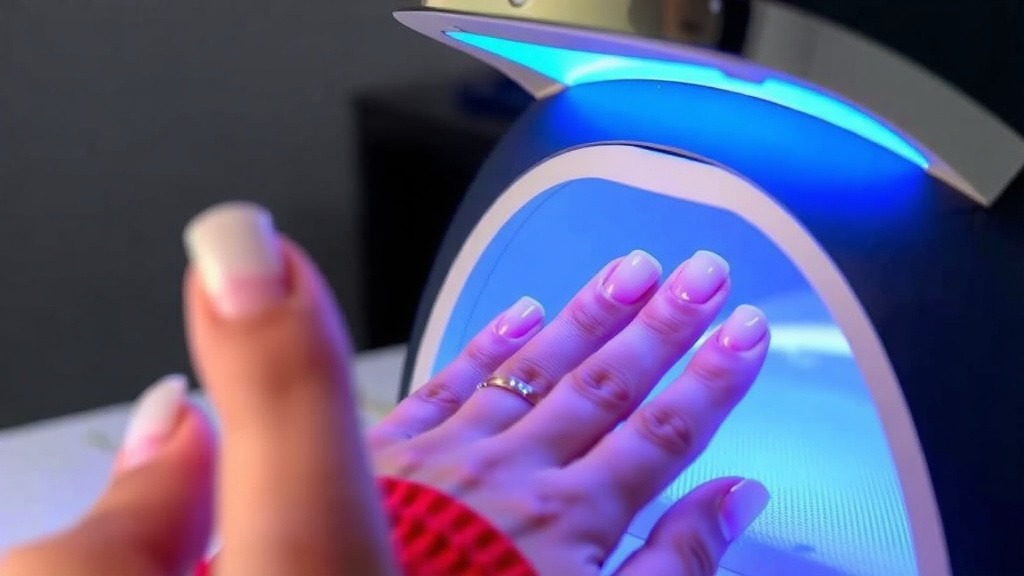
- Keep your hand flat and centered — fingers hovering get patchy cures.
- Wipe the inhibition layer with alcohol once the final coat is done.
Follow this checklist and you’ll get smooth, fully cured gel nails — without the sticky surprises.
Conclusion
Getting your gel cure time right comes down to three things: reading your bottle, applying thin layers, and trusting the timer. Most standard polishes need 60 seconds per coat under an LED lamp, while builder gels can take up to two minutes. Watch for the warning signs too — a hard, even surface means you’re good, and a sticky film after the final coat is totally normal. We found that the biggest manicure mistakes come from rushing, so slow down and let the lamp do its job. Now grab your polish, check that label, and give yourself a salon-worthy manicure at home. You’ve got this!
Frequently Asked Questions
Does lamp wattage affect how long I should cure my gel nails?
It can. Higher-wattage LED lamps generally cure faster than lower-wattage ones, but wattage alone doesn’t guarantee results. The wavelength the lamp emits matters just as much. When in doubt, follow the cure time on your polish bottle and add a few extra seconds if your nails feel soft.
Can I cure gel nails with sunlight or a regular phone flashlight?
No, we don’t recommend it. These light sources don’t produce the specific wavelengths gel polish needs to harden properly. Your polish may look dry on top while staying soft underneath, which can lead to peeling or skin irritation. Stick with a proper LED or UV lamp. Don’t own a lamp yet? Our guide to gel nails without a UV lamp walks through your realistic alternatives.
Why do my gel nails still feel sticky after curing for the right time?
That sticky film is the inhibition layer, and it’s a normal part of the curing process. It forms because the top layer touches oxygen, which slows hardening at the surface. Simply wipe it away with isopropyl alcohol after your final coat, and you’ll reveal a glossy finish.
Can I keep my hand in the LED lamp longer to be safe?
A few extra seconds won’t ruin your manicure, but don’t overdo it. Extended exposure can cause heat spikes and may make lighter shades turn yellow over time. If you’re worried about under-curing, it’s better to apply thinner coats than to double the timer.
How long should a properly cured gel manicure last?
With correct curing and prep, most gel manicures last two to three weeks at home. If yours chips or peels within a few days, under-curing or thick application is usually the culprit. Cap the free edge of each nail and keep your layers thin to get the full wear time.