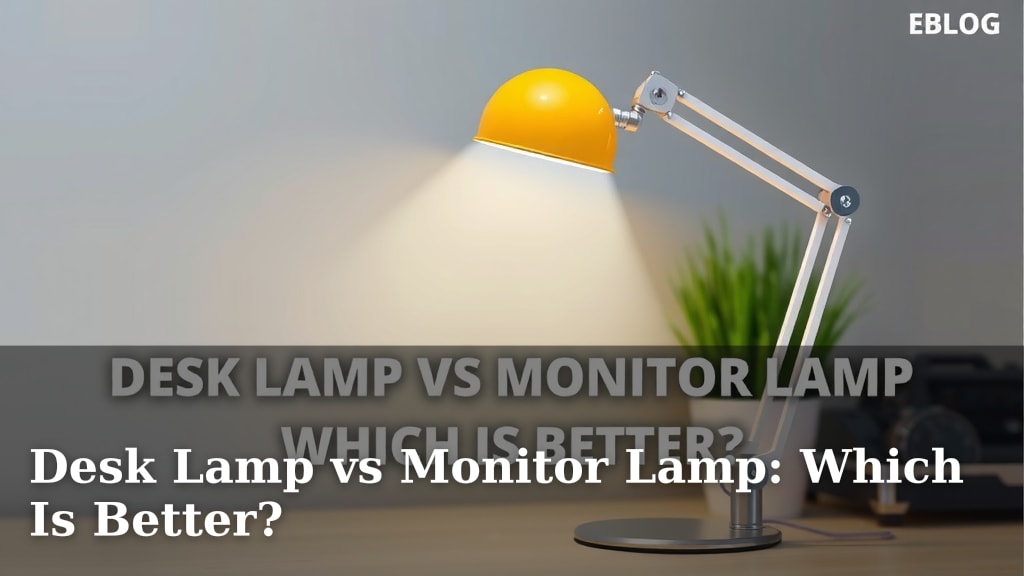
Desk Lamp vs Monitor Lamp: Which Is Better?
When deciding between a desk lamp vs monitor lamp, a monitor lamp is generally the better choice for most people. This is because monitor lamps are designed to reduce eye strain and prevent screen glare. They shine light downwards onto your desk without reflecting off your screen. Desk lamps, while offering versatility, can often create distracting reflections. Many users find monitor lamps provide a more focused and comfortable lighting solution for their workspace.
We’ve found that the debate often comes down to specific needs and workspace setups. While a good desk lamp can light up your entire desk, a monitor lamp targets the area directly in front of you. This targeted approach minimizes shadows and hot spots. For many, especially those spending long hours at their computer, the difference in eye comfort is very noticeable.
- Monitor lamps are generally preferred for reducing eye strain.
- They avoid screen glare by shining light downwards.
- Desk lamps can cause distracting reflections on your monitor.
- Choose based on your workspace and how long you spend at your desk.
Let’s break down the key differences and help you figure out which lamp is the perfect fit for your desk setup.
Choosing the Right Lamp for Your Workspace Lighting Needs
You’ve probably seen both desk lamps and monitor lamps. They look pretty different, right? Understanding their design helps you pick the best one. We found that the primary goal for many people is reducing eye strain during long work sessions. Your eyes work hard all day, and good lighting makes a big difference. Let’s get into the details so you can make an informed choice.
Understanding the Monitor Lamp
A monitor lamp, also known as a screenbar or overhead light, is designed to sit on top of your monitor. It shines light downwards onto your desk space. This type of lighting is specifically engineered to illuminate your keyboard and immediate work area without creating a reflection on your screen. We found this to be a key feature for comfortable computer use.
How Monitor Lamps Reduce Eye Strain
The science behind monitor lamps is pretty straightforward. They aim to provide ambient light that matches the brightness of your screen. When your screen is much brighter than your surroundings, your eyes have to constantly adjust. This can lead to fatigue and discomfort. By casting light onto your desk, a monitor lamp balances the brightness. Many guidelines suggest this is a smart way to protect your vision (American Optometric Association).
Additionally, the direct downward beam means the light doesn’t bounce back into your eyes from the screen. Think of it like trying to read a book in a dark room with a spotlight pointed directly at it – you’d get glare. Monitor lamps avoid this by design. This focused illumination is a big win for anyone spending hours in front of a computer.
The Glare Factor: Why It Matters
Screen glare is more than just annoying; it’s a major contributor to eye strain and headaches. It forces your eyes to work harder to see what’s on your monitor. Monitor lamps are built to bypass your screen entirely. Their light source is typically positioned in a way that it hits your desk, not your display. We’ve heard from many users who say this alone transformed their workday.
This clever design means you get a well-lit workspace without the distracting bright spots or reflections on your monitor. It’s like having a personal spotlight for your tasks that doesn’t interfere with your main focus – your screen. This is especially helpful if you have a glossy screen, which tends to reflect more light.
Exploring the Desk Lamp
A traditional desk lamp is a versatile lighting tool. It typically stands on your desk with an adjustable arm and a head that can be directed. You can position it to light up your entire desk, a specific document, or even provide general room lighting. Their flexibility is their main appeal.
Pros of Using a Desk Lamp
The biggest advantage of a desk lamp is its versatility. You can move it around to suit your needs. Need to read a physical book? Angle it there. Working on a craft project? Adjust it for focused light. Some desk lamps offer different brightness levels and color temperatures, giving you fine-tuned control over your environment. We found that this level of customization appeals to many.
Desk lamps can also provide broader illumination for your entire workspace. This might be useful if you frequently refer to physical notes or documents spread across your desk. For tasks that don’t involve staring directly at a screen for long periods, a desk lamp can be a perfectly good option.
The Downside: Potential for Glare and Shadows
Here’s where desk lamps can fall short for computer users. When you place a typical desk lamp on your desk, its light source is often at eye level or slightly above. This angle can easily cause reflections on your monitor screen. You know that annoying band of light that appears across your display? That’s the culprit. We found this to be a common complaint among office workers.
Furthermore, desk lamps can create harsh shadows. If the light source is too close or not positioned correctly, it can cast shadows on your keyboard or papers. This can make it harder to see and can also contribute to eye strain. Getting the positioning just right can feel like a constant battle.
Key Differences Summarized
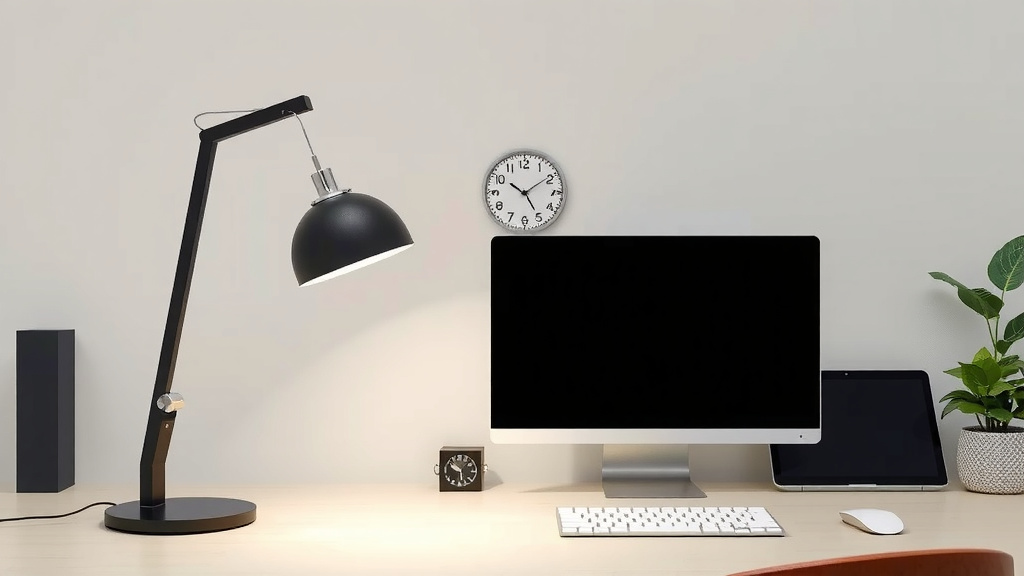
To help you visualize, let’s put it side-by-side. Think of it like this: a monitor lamp is like a precise spotlight for your immediate tasks, while a desk lamp is more like a general floodlight you can aim.
| Feature | Monitor Lamp | Desk Lamp |
|---|---|---|
| Primary Purpose | Reduce screen glare & eye strain | General task lighting, versatile use |
| Light Direction | Downward, onto desk space | Adjustable, can be direct or indirect |
| Screen Glare | Minimal to none | Potential for significant glare |
| Shadows | Minimizes harsh shadows in work area | Can create harsh shadows if not positioned well |
| Installation | Sits on monitor | Sits on desk, may take up space |
Which One is Right for You?
The best lamp for you truly depends on your daily routine and workspace setup. Ask yourself a few questions.
Consider Your Screen Time
If you spend more than a few hours each day in front of your computer, your eyes will likely thank you for a monitor lamp. The continuous exposure to screen light and potential glare can take a toll. Research consistently shows that proper lighting can mitigate these effects (National Institutes of Health).
Conversely, if your computer use is lighter, or your work involves a lot of physical reading and writing, a desk lamp might serve you well. For casual users, the added glare from a desk lamp might not be a major issue.
Evaluate Your Desk Space
Think about the real estate on your desk. Traditional desk lamps, especially those with large bases or arms, can occupy valuable space. This can be problematic for smaller desks. Monitor lamps, on the other hand, take up virtually no desk space. They simply attach to the top of your screen.
We found that space-saving is a big win for many people setting up home offices. If your desk is already crowded with other essentials, a monitor lamp is a smart choice for maximizing your usable surface area.
Think About Your Lighting Preferences
Do you prefer a bright, focused light, or a softer, more ambient glow? Monitor lamps typically provide a focused beam over your keyboard and mousepad. Some people love this direct illumination. Desk lamps offer more flexibility here. You can angle them to bounce light off walls for a softer effect, or direct it precisely where you need it.
It’s also about what kind of light prevents you from feeling that midday slump. Some adjustable desk lamps offer different color temperatures, from cool blue to warm yellow, which can influence your mood and focus.
Checklist for Your Decision
Still on the fence? Run through this quick checklist:
- How many hours do you spend at your computer daily?
- Do you experience eye strain or headaches after long computer sessions?
- Is screen glare a noticeable problem for you?
- Do you have a small desk with limited space?
- Do you frequently work with physical documents alongside your computer?
- Do you need highly adjustable lighting for various tasks?
Conclusion
Ultimately, a monitor lamp shines brightest for most people working at a computer. We found that its focused downward light significantly cuts down on screen glare and eye strain, making those long hours more comfortable. While a traditional desk lamp offers flexibility for other tasks, it often introduces distracting reflections and shadows. For a more comfortable and productive screen-focused experience, a monitor lamp is typically your best bet. Consider your screen time and desk space to make the perfect choice for your setup.
Frequently Asked Questions
Do monitor lamps actually help with eye strain?
Yes, monitor lamps are specifically designed to reduce eye strain. They provide ambient light that balances your screen’s brightness, preventing your eyes from constantly adjusting. This reduces fatigue during extended computer use.
Can I use a desk lamp if I have a small desk?
A traditional desk lamp might take up precious space on a small desk. Monitor lamps are a great space-saving alternative as they attach to your screen and don’t occupy any surface area.
Will a monitor lamp create shadows on my keyboard?
No, monitor lamps are designed to shine light directly onto your desk space, illuminating your keyboard and immediate work area. This targeted approach minimizes harsh shadows.
What if I also need to light up physical documents?
While monitor lamps focus on your screen area, a desk lamp offers more versatility for lighting up physical documents. If you frequently switch between screen work and paper tasks, a desk lamp might be more suitable, or you could use both.
Are monitor lamps difficult to set up?
Most monitor lamps are very easy to set up. They typically feature a simple clip or mount that attaches securely to the top of your monitor. We found the installation process to be quick and straightforward.
![10 Best Bulb For Lava Lamp [2026]](https://bestdesklamp.com/wp-content/uploads/2026/08/10-best-bulb-for-lava-lamp-2026-featured-768x432.jpg)
![10 Best Ceiling Lamps For Living Room [2026]](https://bestdesklamp.com/wp-content/uploads/2026/08/10-best-ceiling-lamps-for-living-room-2026-featured-768x432.jpg)
![10 Best Clip On Bed Lamp [2026]](https://bestdesklamp.com/wp-content/uploads/2026/08/10-best-clip-on-bed-lamp-2026-featured-768x432.jpg)