Reptile Heat Lamp: How Long Should It Stay On Each Day?
Most reptiles need their heat lamp to stay on for 10 to 12 hours a day, basically matching the length of a natural daylight cycle. So if you flip your own lights on around 7 a.m., turn your reptile’s heat lamp on then, and switch it off about 12 hours later. Simple enough, right?
Here’s the catch, though: the exact schedule depends on your pet’s species, the season, and whether you also use UVB or basking bulbs. Many experts say the biggest mistake owners make is leaving the lamp running 24 hours a day, which can stress your reptile and mess with its sleep. Reptiles need a clear day-and-night rhythm to stay healthy, and we found that a simple timer takes all the guesswork out of it.
- 10 to 12 hours of light per day works for most species.
- Turn the heat lamp off at night so your reptile can rest.
- Use a timer to keep the schedule consistent, even on busy days.
- Desert species may want a bit more light; tropical species a bit less.
- If temps drop too low at night, switch to a night heat source instead of keeping the lamp on.
Below, we break down everything you need to know about heat lamp timing, from species-specific schedules to the tools that make it effortless. Let’s get your scaly friend’s day sorted out!
Getting Your Reptile’s Heat Lamp Timing Right
The short answer is simple: most heat lamps should run during the day only, then shut off when the lights go down. Think of it like your own routine. You don’t sleep with the sun blazing in your face, and neither does your beardie or leopard gecko.
What matters most is consistency. Reptiles are creatures of habit, and a steady light cycle keeps their internal clock ticking properly. We found that erratic schedules can throw off feeding, activity, and even breeding behavior in some species.
Why a Day-and-Night Cycle Matters
In the wild, the sun rises and sets. Your reptile’s body still expects that rhythm, even inside a glass tank. When the lamp stays on around the clock, many reptiles become stressed, eat less, or hide constantly.
Research on circadian rhythms shows that nearly all animals, reptiles included, rely on light cycles to regulate sleep and hormones (NIH). Mess with the cycle, and you mess with the animal.
Signs Your Light Schedule Is Off
Wondering if your current setup needs a tweak? Watch for these clues:
- Your reptile hides all day, even during normal “awake” hours.
- It stays up prowling at night when it should be sleeping.
- Eating habits have gone weird or inconsistent.
- Activity drops off for no clear health reason.
Heat Lamps vs. UVB Bulbs vs. Basking Lights
Here’s where many owners get confused. These three terms get tossed around like they’re the same thing, but they’re not quite.
| Bulb Type | What It Does | Typical On-Time |
|---|---|---|
| Heat lamp (day bulb) | Provides warmth and visible light | 10–12 hours |
| UVB bulb | Helps your reptile make vitamin D3 | 10–12 hours |
| Basking bulb | Creates a hot spot for thermoregulation | 10–12 hours |
| Heat emitter / night heat | Warmth without light | Only at night, if needed |
In most setups, all three daytime bulbs go on and off together. That mimics a real sunrise-and-sunset pattern, which keeps things easy on your pet’s brain.
Schedules for Popular Pet Reptiles
Different species, different needs. A bearded dragon from the Australian desert has different expectations than a crested gecko from a humid forest. We found that matching your pet’s native climate solves most timing questions before they start.
Desert Species
Bearded dragons, leopard geckos, and uromastyx come from bright, sunny habitats. Give them a full 12 hours of light during summer months. In winter, you can drop it to around 10 hours to mimic natural seasonal shifts.
Tropical Species
Crested geckos, ball pythons, and chameleons often live under forest canopies. They get filtered light and less direct sun. A 10-hour day works well for many of them, and some keepers go slightly shorter.
Seasonal Adjustments Made Simple
Want to mimic real seasons without overthinking it? Try this pattern:
- Spring and fall: 11 hours of light per day.
- Summer: 12 to 13 hours for desert species.
- Winter: 10 hours, sometimes less for species that brumate.
If your reptile naturally brumates (a reptile version of hibernation), shorter winter days can actually help trigger a healthy cycle. Many vets suggest checking with an exotics vet before encouraging brumation, though (AVMA).
What Happens If the Lamp Stays On Too Long
Leaving a heat lamp on 24/7 seems like the “safe” choice. It isn’t. Your reptile never gets true darkness, and that constant light wears on its nervous system over time.
Sleep deprivation in animals is linked to weakened immune function and elevated stress hormones, and reptiles are no exception (NCBI). A tired, stressed reptile is also a more likely candidate for a weakened immune system, and nobody wants a vet bill that could’ve been avoided with a $15 timer.
Can Reptiles See Light at Night?
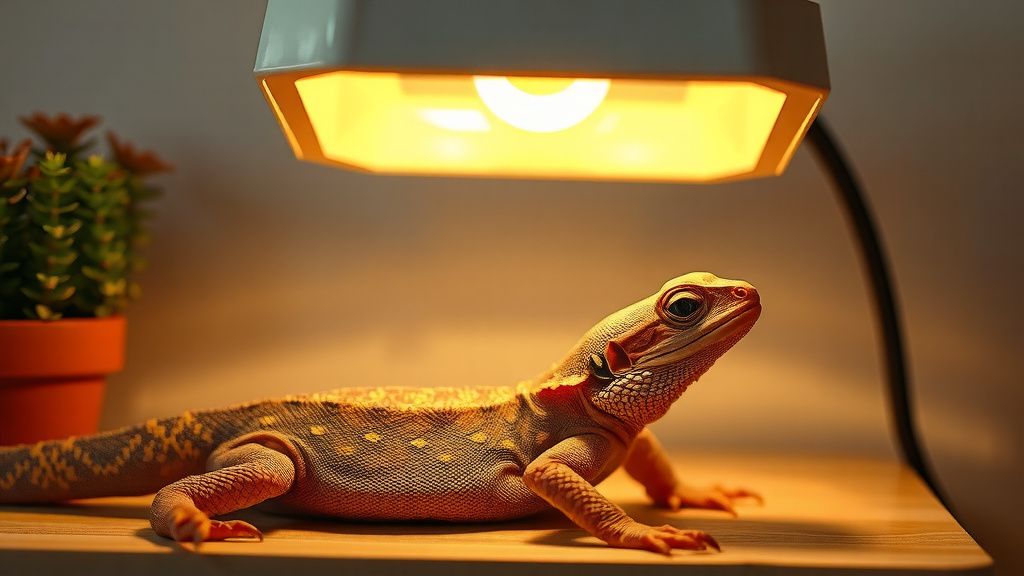
Yes, and this surprises a lot of people. Many reptiles see certain light wavelengths we can’t, including parts of the red spectrum. So that “night light” red bulb you bought? Your snake probably sees it just fine.
Studies on reptile vision suggest red light can still disrupt nocturnal species’ rest (NIH). If you need night heat, ceramic heat emitters or under-tank heaters produce warmth without glow. That’s the better route.
Keeping Nighttime Temperatures Safe
Okay, so what if your house gets cold at night and the tank dips below safe levels? This is the one case where you need heat after dark, just not the glowing kind.
Most species do fine with a nighttime drop into the low 70s Fahrenheit. Check your species’ specific range with a reliable care sheet or your exotics vet. If your home runs colder, add a ceramic heat emitter on a thermostat.
Your Heat Lamp Setup Checklist
Before you call it done, run through this quick list:
- Plug all daytime bulbs into a timer set for 10–12 hours.
- Place a thermometer at basking level and one on the cool side.
- Add a ceramic heat emitter only if nighttime temps fall too low.
- Keep a thermostat on any heat device to prevent overheating.
- Check bulbs monthly and replace UVB on the manufacturer’s schedule.
- Adjust the timer seasonally if you want to mimic natural cycles.
Getting the timing right is honestly one of the easiest wins in reptile care. Set it once, check it now and then, and your scaly roommate gets the steady rhythm it was built for. Your future self, and your reptile, will thank you.
Conclusion
So, how long should a reptile heat lamp stay on? For most pets, 10 to 12 hours during the day, then off at night. Match the schedule to your reptile’s native climate, tweak it slightly with the seasons, and never leave bulbs glowing around the clock. If your home gets chilly after dark, a ceramic heat emitter keeps things warm without disturbing sleep. We found that a simple timer solves nearly every timing problem before it starts. Your next step? Grab a timer today, plug in your daytime bulbs, and set it once. That small move gives your reptile the steady rhythm it needs to thrive for years.
Frequently Asked Questions
Can I leave my reptile’s heat lamp on overnight if my house is cold?
You can, but not with a light-producing bulb. Swap in a ceramic heat emitter or an under-tank heater on a thermostat instead. Your reptile gets the warmth it needs without any glow disrupting its rest.
Do heat lamps and UVB bulbs need to turn on and off at the same time?
In most cases, yes. Running them on the same timer mimics a natural sunrise and sunset, which keeps your reptile’s internal clock steady. Just make sure both bulbs are rated for timer use.
What happens if I forget to turn the heat lamp off one night?
One missed night won’t hurt your reptile, so don’t panic. Just reset the schedule the next morning. If forgetfulness happens often, a timer is a cheap fix that removes the worry entirely.
Should I adjust my reptile’s light schedule in winter?
You can, and many keepers do. Dropping to around 10 hours in winter mimics natural seasonal changes and supports healthy behavior cycles. It’s optional for most species, but it’s an easy way to add realism to the habitat.
How do I know if my heat lamp bulb is still working properly?
Check it with a thermometer at basking level, not just by eye. Some bulbs keep glowing while losing heat output. We recommend testing temps weekly and replacing bulbs on the manufacturer’s schedule, since output fades before burnout.