How Long Does Kerosene Last in a Lamp? Shelf Life Explained
Kerosene in a lamp typically lasts 6 to 12 months once it’s opened, and up to 2 to 5 years if it’s still sealed and stored properly. But here’s the good news: old kerosene that’s lost a bit of strength usually still burns in a lamp. It just may not burn as clean or as bright.
So does that mean you have to toss last winter’s leftover fuel? Not necessarily. What matters most is how you store it, whether water or dirt sneaked into the can, and whether you’re using a quality 1-K kerosene. We researched this topic carefully, and the answers surprised us a little too.
- Sealed kerosene can last up to 5 years in the right conditions.
- Opened kerosene is best used within 6 to 12 months.
- Cloudy, dark, or sour-smelling kerosene is a sign it’s going bad.
- Old fuel often still works for lamps, even if it’s past its prime.
- Proper storage in a tight container away from sunlight makes all the difference.
Below, we break down everything you need to know about kerosene shelf life, how to tell when it’s gone bad, and a few simple storage tricks that’ll keep your lamp glowing all season long.
What Affects Kerosene Shelf Life in Your Lamp?
Kerosene doesn’t spoil like milk, but it degrades over time. The biggest culprits are air, moisture, heat, and light. We found that storage conditions matter far more than the calendar date on the can.
Think of it like a bag of coffee beans. Sealed and tucked away, it stays good for ages. Open it daily and leave it near the stove, and it goes stale fast.
The Four Main Enemies of Stored Kerosene
- Oxygen — exposure to air slowly oxidizes the fuel.
- Water — condensation inside a can breeds contamination.
- Heat — warm storage speeds up chemical breakdown.
- Light — UV rays can darken and weaken the fuel.
Many experts say metal or approved plastic containers with tight caps are your best defense (U.S. Fire Administration). A loose lid is an open invitation for trouble.
Sealed vs. Opened Fuel
Sealed cans stored in a cool, dark spot can stay usable for 2 to 5 years. Once you crack the seal, oxygen and moisture start working on it. That’s when the 6 to 12 month window becomes your friend.
It’s not a hard deadline, though. It’s more like bread past its “best by” date — probably fine, but check before you commit.
Signs Your Kerosene Has Gone Bad
Your nose and eyes are the best testing lab. Fresh 1-K kerosene should look clear or slightly straw-colored and smell mildly oily — not harsh.
- Cloudy or milky appearance, which often means water got in.
- Dark or brown color from oxidation and age.
- Sour or foul odor, sometimes compared to rotten eggs.
- Particles or sludge floating at the bottom of the can.
- Rusty flakes from an old metal container.
If you spot any of these, the fuel will likely still ignite. But it can smoke, smell worse, and clog your wick faster.
Is Old Kerosene Safe to Burn?
Slightly aged kerosene that still looks clear is generally fine in a lamp. We found that many lamp owners burn fuel a year or two old with no complaints. The trade-off is a dimmer, smellier flame. If you’re weighing fuel choices overall, our guide to lamp fuel options compared breaks down kerosene, lamp oil, and candles.
Heavily contaminated fuel is another story. Water in the flame line can cause sputtering, and dirty fuel gums up wicks. When in doubt, strain it through a coffee filter or just replace it.
What About Water Contamination?
Water is sneakier than age. It gets in through condensation when temperatures swing, especially in partially filled cans. Full cans collect less moisture, which is one reason experts suggest storing nearly full containers.
If your lamp flame flickers or spits, water may be the reason. Letting the fuel sit undisturbed lets water settle to the bottom, where you can carefully pour off the clean top layer.
How to Store Kerosene So It Lasts Longer
Good storage is simple, and it costs you almost nothing. The goal is to keep out air, water, heat, and light. Here’s the checklist we put together:
- Use an approved container — usually blue, clearly labeled kerosene.
- Keep the cap tight and sealed after every use.
- Store in a cool, dark place like a basement or closet.
- Avoid garages and sheds where temperatures swing wildly.
- Keep containers away from living spaces and ignition sources.
- Label each can with the date you opened it.
That last tip is our favorite. A strip of masking tape and a marker saves you from guessing games next winter.
Where Not to Store Your Fuel
Never keep kerosene inside your home near heaters, pilot lights, or sunny windows. The CDC notes that kerosene vapors are flammable and harmful if inhaled, so ventilation and distance matter (CDC). An unheated but attached garage or outdoor shed works well in most climates.
One caution: in freezing climates, some containers can gather condensation as they chill and warm. Bring cans inside to a cool basement if your shed dips below freezing often.
1-K vs. Other Kerosene Grades: Does Quality Affect Longevity?
Yes, and it matters more than most people think. 1-K kerosene is the clean-burning grade recommended for lamps and indoor heaters. K-2 and other lower grades contain more sulfur and impurities, which means more odor and smoke — even when fresh.
| Fuel Type | Best For | Shelf Life (Sealed) | Burn Quality |
|---|---|---|---|
| 1-K (clear) | Lamps, indoor heaters | 2–5 years | Clean, bright flame |
| 1-K (yellow/dyed) | Outdoor use | 2–5 years | Slightly more odor |
| K-2 or red-dyed | Some outdoor heaters | 2–5 years | Smoky, not for lamps |
| Old, cloudy fuel | Emergency outdoor use | Varies | Flickers, smells |
If you want fewer headaches, buy clear 1-K from a reputable supplier. Cheap or dyed fuel may cost less now, but you’ll pay for it in wick replacements and smoky rooms.
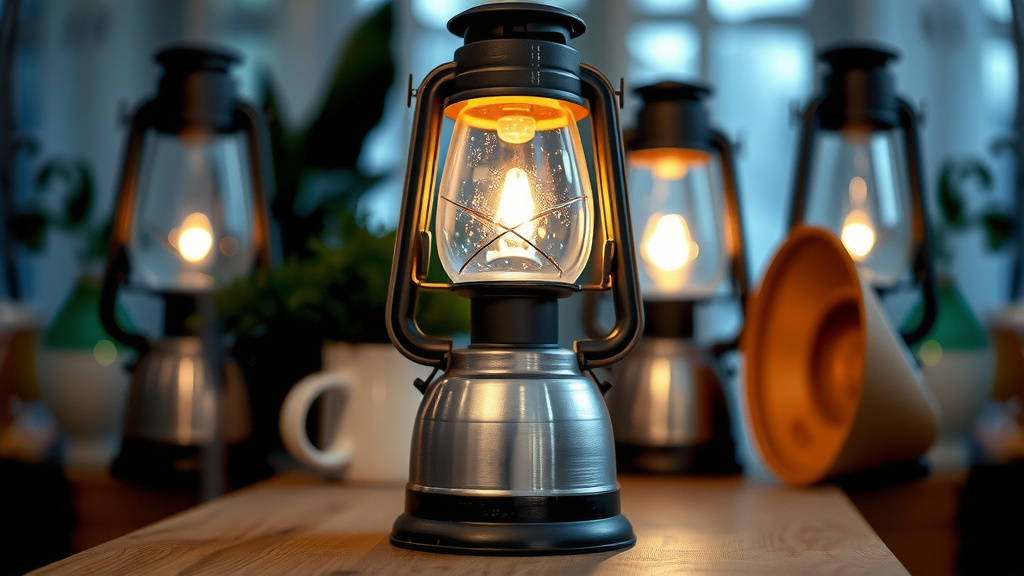
Does Kerosene in the Lamp Itself Go Bad?
It can, and faster than fuel in a sealed can. Kerosene sitting in an open reservoir picks up dust, moisture, and air exposure. We found that fuel left in a lamp for a full year often burns noticeably worse.
The easy fix: burn the lamp dry or empty the reservoir between seasons. Wicks last longer, and your first light of the season won’t smell like a chemistry experiment.
Quick End-of-Season Lamp Care
- Burn the lamp until the reservoir is nearly empty.
- Wipe out any remaining fuel or sludge.
- Remove or trim the wick if it’s charred.
- Store the lamp with the cap on, away from dust.
Can You Extend or “Refresh” Old Kerosene?
Sort of, but only in mild cases. If the fuel is just a bit aged but still clear, filtering it through a fine mesh or coffee filter removes particles. Some people also pour it back and forth between clean cans to help water settle out.
What you can’t fix is color and odor. Once kerosene has turned dark and sour, no filter brings it back. At that point, many hardware stores accept old fuel for proper disposal — check locally, since some areas have drop-off days.
When Should You Just Replace Your Kerosene?
Replace it if the fuel is cloudy, dark, smelly, or has visible sludge. Also replace it if you’re not sure where it came from — mystery cans from a grandparent’s garage deserve suspicion.
Here’s the honest math: a gallon of 1-K kerosene usually costs around the price of a couple of coffees. Compared to a ruined wick, a smoky living room, or a lamp that quits during a power outage, fresh fuel is cheap insurance.
If the fuel passes the look-and-sniff test and it’s under a year old? Burn it with confidence. Your lamp — and your peaceful evening — will be just fine.
Conclusion
Kerosene isn’t fragile, but it doesn’t last forever either. Sealed and stored well, it can serve you for up to five years. Once opened, aim to use it within about a year for the cleanest, brightest flame. The good news? You don’t need special equipment to keep it fresh — just a tight cap, a cool dark spot, and a date scribbled on the can. We found that a quick look and sniff tells you more than any calendar ever will. So grab that masking tape, label your can today, and do the same quick check on any fuel you’re unsure about. Your lamp will be ready when you need it most.
Frequently Asked Questions
Can I mix new kerosene with old kerosene?
You can, as long as the old fuel is still clear and odor-free. We recommend filtering the old kerosene first so you don’t transfer any sludge or water into your fresh supply. If the old fuel is dark or sour, dispose of it instead of blending.
How long does a lamp burn on one tank of kerosene?
Most standard oil lamps burn for roughly 8 to 12 hours on a full reservoir, depending on flame height and wick size. Turning the wick down slightly stretches your fuel further and cuts down on smoke. That’s an easy habit worth building.
Does kerosene expire faster in plastic containers than metal ones?
Slightly, in some cases. Approved plastic containers work fine for short-term storage, but metal cans block light more completely and tend to hold up better over years. Whichever you choose, make sure it’s rated for kerosene and sealed tight.
Can I use old lamp kerosene in my kerosene heater?
We’d advise against it. Heaters are less forgiving than lamps because degraded fuel produces more soot and odor, and you’re burning it indoors. Lamps can tolerate slightly aged fuel, but heaters deserve the freshest 1-K you can buy.
What’s the best way to get rid of bad kerosene?
Don’t dump it down a drain or on the ground — that harms waterways and may violate local rules. Many household hazardous waste facilities accept old fuel, and some communities hold periodic drop-off events. Call your local disposal site to confirm what they’ll take.