How Long Does Lamp Oil Last in Storage? Shelf Life Explained
Lamp oil typically lasts one to two years in storage, and some types can stay good even longer if you store them right. How long does lamp oil last in storage? That depends on the type of oil and how well you keep it sealed away from heat and light.
Here’s the good news: lamp oil doesn’t spoil like milk. Many experts say that kerosene and paraffin-based oils can last years when kept in a tight, sealed container in a cool, dark spot. We found that the biggest enemies are air, moisture, and sunlight — not time itself.
TL;DR — Quick takeaways:
- Most lamp oil lasts 1–2 years, and kerosene can last much longer.
- Cool, dark storage keeps oil fresh far longer than a hot garage shelf.
- Always use a sealed container to keep out air and moisture.
- Old oil may still burn fine, but cloudy or rancid-smelling oil should be replaced.
- Label your containers with the purchase date so you always know what’s what.
So how do you make sure your emergency backup oil is still good when you actually need it? Below, we break down everything you need to know about shelf life, storage tips, and the warning signs that your oil is ready to retire.
Shelf Life of Lamp Oil by Type
Not all lamp oil ages the same way. We found that the chemical makeup of each oil plays the biggest role in how long it stays fresh. Some oils are tough survivors. Others start breaking down within a year or so.
Here’s a quick rundown of the most common types you’ll find on store shelves.
- Kerosene: The long-distance champ. Many experts say properly stored kerosene can last five years or more.
- Paraffin lamp oil: A close second. Expect two to three years before quality starts to fade.
- Citronella oil: Best used within one to two years, since the added fragrance can degrade faster.
- Vegetable-based oils: These are the short-lived ones. Some can go rancid in under a year.
Think of it like olive oil versus honey. Honey basically lasts forever. Olive oil? Not so much. The same logic applies here.
| Oil Type | Typical Shelf Life | Best Storage Spot |
|---|---|---|
| Kerosene | 5+ years | Cool, dark basement |
| Paraffin lamp oil | 2–3 years | Sealed container, indoor closet |
| Citronella oil | 1–2 years | Away from sunlight and heat |
| Vegetable-based oil | Under 1 year | Buy small, use fast |
What Shortens the Life of Stored Lamp Oil
Time alone isn’t the villain here. It’s what time does to the oil when the conditions are wrong. We found that three main culprits ruin stored lamp oil faster than anything else.
Heat: The Silent Killer
Heat speeds up chemical breakdown in almost any liquid fuel. A hot garage or attic can cut your oil’s shelf life in half. Many guidelines point to keeping flammable liquids below room temperature as a safe bet (CDC).
Ever left a bottle of cooking oil near the stove? You know how it turns funky fast. Lamp oil reacts the same way.
Light and Air Exposure
Sunlight kicks off oxidation, which slowly degrades the oil. Air does the same thing over time. That’s why a tight, sealed container matters so much.
Every time you open that jug, you let in fresh oxygen. So if you peek at your oil weekly, you’re actually shortening its life. Funny how curiosity works, right?
Moisture and Contamination
Water droplets in your oil can cause cloudiness and uneven burning. Dust and debris sneak in too, especially if you’re using a messy funnel. Keep the cap clean and the container upright.
How to Store Lamp Oil the Right Way
Good storage isn’t complicated. We found that a few simple habits make all the difference between oil that lasts two years and oil that lasts ten.
Follow this quick checklist and you’ll be in great shape:
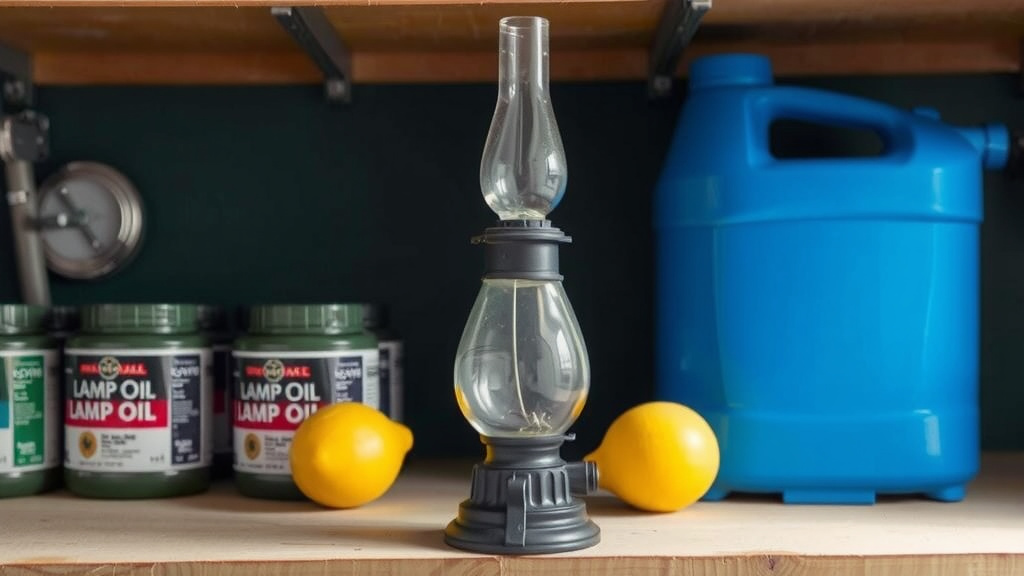
- Use the original container or a purpose-built metal or HDPE plastic jug.
- Store oil in a cool, dark place — a basement shelf beats a garage wall.
- Keep containers sealed tightly between uses.
- Label every container with the purchase date.
- Store oil away from living spaces and far from any heat source (CDC).
- Keep it out of reach of kids and pets.
One more tip: don’t mix old oil with new oil. It’s like pouring fresh milk into a carton that’s about to turn. You’ll spoil the whole batch.
Signs Your Stored Lamp Oil Has Gone Bad
Wondering if that old jug in the basement is still usable? Trust your senses. We found that four warning signs tell you it’s time to replace your oil.
Visual Clues
Fresh lamp oil should look clear and pale. If yours looks cloudy, dark, or has floating particles, that’s a red flag. Discoloration means oxidation has set in.
Smell and Performance Clues
Give the cap a sniff. A sharp, rancid, or unusual odor means the oil has broken down. Old oil may also burn with a smoky flame or clog your wick.
Here’s the honest truth: slightly old oil might still light up fine. But if it smells off or looks strange, it’s not worth the risk. New lamp oil is cheap. A bad night during a power outage isn’t.
Can You Extend the Life of Lamp Oil?
Sort of — you can’t stop aging, but you can slow it way down. The biggest wins come from three moves. First, buy smaller containers so you open them less often. Second, pick kerosene or paraffin-based oil if long shelf life matters to you. Third, rotate your stock.
Rotation is simple. Use your oldest oil first, then replace it with a fresh jug. Mark the date, tuck it away, and forget about it until next season. It’s the same trick campers use with food supplies, and it works just as well here.
Safe Disposal of Old Lamp Oil
Found a jug that’s past its prime? Don’t pour it down the drain or toss it in the trash. Many local waste management guidelines treat lamp oil as household hazardous waste (EPA).
Your best move is to check your city or county’s disposal program. Most areas have drop-off sites that take old fuels and oils free of charge. It takes ten minutes, and you keep your pipes and local waterways happy. Everybody wins.
Quick Answers for Emergency Preppers
If you’re stocking lamp oil for power outages, here’s what we found matters most. Buy kerosene for the long haul. Store it cool, dark, and sealed. Rotate it every couple of years.
And one last thought — test your lamp and wick once a year, not just your oil. There’s nothing worse than fresh oil in a lamp with a cracked burner. A quick five-minute check each fall keeps your whole emergency setup ready to go.
Conclusion
Lamp oil won’t last forever, but with a little care, it can outlast most things in your emergency kit. We found that kerosene and paraffin oils stored in sealed containers, in cool dark spots, easily beat their stated shelf lives. Heat, light, air, and moisture are your real enemies — not the calendar. So pick a long-lasting oil, label it with the date, and stash it somewhere that stays cool year-round. Your next step? This weekend, check your stored oil for cloudiness or odd smells, and top off your supply before the next storm season rolls in.
Frequently Asked Questions
Does lamp oil expire or just lose quality over time?
Lamp oil doesn’t have a hard expiration date printed like food does. Instead, it slowly degrades through oxidation, which affects how cleanly it burns. We found that slightly aged oil often still lights, but degraded oil can smoke, clog wicks, or smell unpleasant.
Can I use old lamp oil in tiki torches and outdoor lanterns?
In many cases, yes. Outdoor burning is more forgiving since slight smoke or odor matters less outside. Still, if the oil looks cloudy or smells rancid, skip it — it can gum up the torch wick and burn unevenly.
Is it safe to store lamp oil in my basement or closet?
A cool basement or interior closet is one of the best spots, as long as the container is sealed and upright. Keep it away from furnaces, water heaters, and any ignition sources. Also make sure it’s out of reach of kids and pets.
What happens if I burn lamp oil that has gone bad?
Old oil usually doesn’t explode or cause danger — it just burns poorly. You may notice a smoky flame, flickering, or a stubborn wick that won’t stay lit. In rare cases with contaminated oil, you might get sputtering or excess soot on your lamp glass.
Should I buy lamp oil in bulk to save money?
Only if you’ll rotate through it. Big jugs get opened more often, letting in air each time. We found that buying a few smaller containers and using the oldest first keeps your supply fresher than one giant jug that sits half-open for years.