How Long Does It Take a Lava Lamp to Work? A Full Breakdown
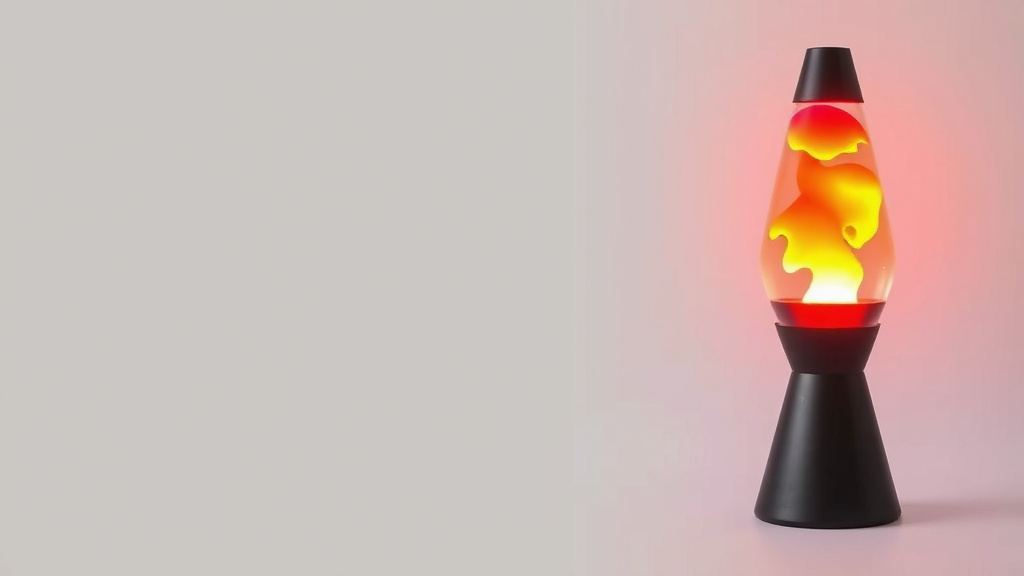
A new lava lamp typically takes 2 to 3 hours to fully warm up and start flowing properly. So if you just plugged yours in and see nothing but a boring wax blob at the bottom, don’t panic — that’s completely normal.
Here’s the thing: lava lamps aren’t instant gratification machines. The wax needs time to heat up and loosen before it can do that mesmerizing dance we all love. If it’s your first time turning one on, we found that some lamps take up to 6 hours on the very first run.
So, why does it take so long? And what can you do to speed things up — or at least avoid making it worse? We did the research and found the answers.
- Most lava lamps take 2 to 3 hours to flow fully.
- Brand new lamps can take up to 6 hours on first use.
- Room temperature and bulb strength both affect warm-up time.
- Shaking or moving your lamp while it heats can mess up the flow.
- Leaving it on longer than 8 to 10 hours isn’t recommended.
Below, we break down everything you need to know about how long a lava lamp takes to work, plus a few simple tips to help yours perform at its best. Let’s dig in!
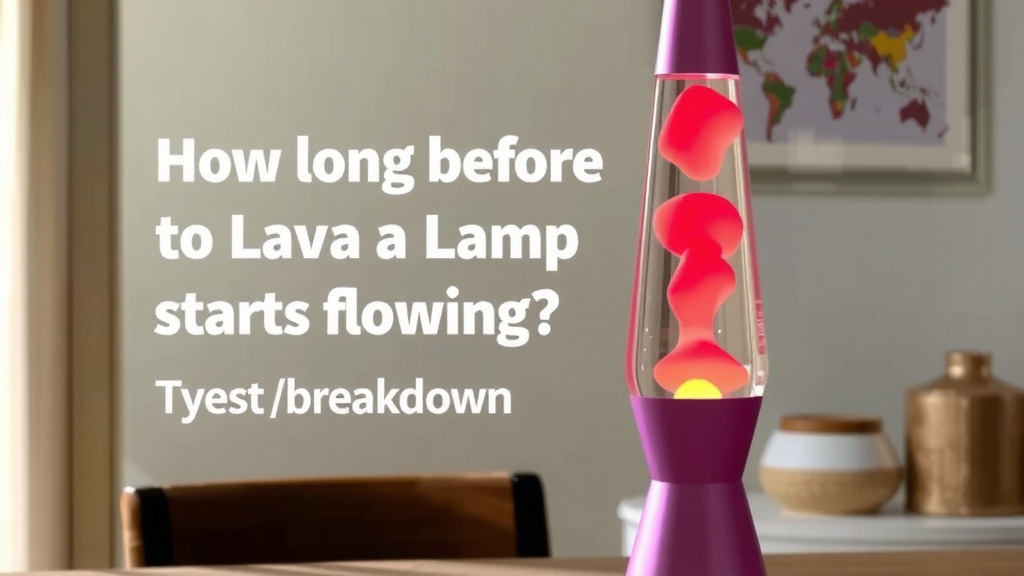
How Long Before a Lava Lamp Starts Flowing?
Most lava lamps need about 2 to 3 hours of heat before the wax starts flowing the way it should. A brand new lamp may need up to 6 hours on its very first run. That’s not a defect — it’s just physics doing its thing.
Think of it like melting butter in a pan. The edges soften first, then the middle catches up. Lava lamp wax works the same way. It has to warm evenly before it can rise, sink, and swirl.
We found that many first-time owners give up after 30 minutes and assume their lamp is broken. Don’t be that person. Give it time, and you’ll usually be rewarded.
Why Lava Lamps Take So Long to Warm Up
The wax inside your lamp is a special blend designed to melt at a temperature just above room warmth. The bulb at the bottom has to slowly push that wax past its melting point. Rush it, and you get a stubborn blob.
Many experts say the lamp works like a slow convection oven. Heat rises through the liquid, warms the wax, and creates the density changes that make it float. It’s a gentle process, not a sprint.
The Role of the Bulb
Bulb strength matters more than most people realize. A standard 25 to 40-watt bulb is what most classic lamps use. If your bulb is too weak, the wax may never fully melt. Too strong, and the wax can overheat and clump at the top instead of cycling.
Stick with the bulb the manufacturer recommends. We found that “upgrading” to a brighter bulb is one of the most common rookie mistakes.
Room Temperature Counts Too
Your lamp’s surroundings play a bigger role than you’d think. A lamp in a cold basement might take an hour longer than one in a cozy living room. Drafty windows and air conditioning vents can slow things down, too.
Ideal room temperature is somewhere around 68 to 72°F. If your space feels chilly to you, it feels chilly to your lamp.
Lava Lamp Warm-Up Times by Lamp Size
Not all lamps heat at the same speed. Bigger wax columns simply need more time. Here’s a quick breakdown of what you can generally expect.
| Lamp Size | Typical Warm-Up Time | Notes |
|---|---|---|
| Mini (under 12 inches) | 1 to 2 hours | Great for impatient folks |
| Classic (14 to 17 inches) | 2 to 3 hours | The standard experience |
| Colossal (27 inches+) | 3 to 5 hours | Worth the wait, honestly |
Sizes vary by brand, so treat these as ballpark figures. If your lamp is still just a waxy lump after 4 hours, check your bulb and room temperature before assuming the worst.
First Use vs. Everyday Use
The first run is always the slowest. Fresh lamps sometimes sit in warehouses or delivery trucks where the wax gets cold and stiff. It can take up to 6 hours before things loosen up.
After that first long session, most lamps settle into a rhythm. Subsequent warm-ups usually take closer to the standard 2 to 3 hours.
What the Very First Session Should Look Like
On first use, you might notice small wax beads floating instead of big, lazy globs. That’s normal. Some lamps need a few full heating cycles before the wax blends properly.
Many manufacturers recommend running the lamp through a couple of complete sessions before judging its performance. Think of it as a break-in period, like breaking in new shoes.
How to Help Your Lamp Warm Up Faster (Safely)
You can’t magic the wax into motion, but you can avoid slowing it down. Here’s a simple checklist we put together for getting the best flow:
- Place the lamp away from drafts — no AC vents or open windows nearby.
- Use the correct bulb wattage as listed by the manufacturer.
- Keep the lamp upright and untouched during warm-up.
- Give it a full 3 hours before troubleshooting anything.
- Keep the room at a comfortable temperature, around 68 to 72°F.
- Wipe the bottle occasionally — dust on the glass can slow heat transfer slightly.
Notice what’s not on that list? Hair dryers, space heaters, or shaking the lamp. Don’t do those. More on that below.
Common Mistakes That Slow Down the Flow
Sometimes the problem isn’t the lamp. It’s us. We found a few habits that reliably mess up warm-up time.
Moving or Shaking the Lamp
Picking up a warm lava lamp can split the wax into tiny beads that refuse to rejoin. Once that happens, it can take hours — or even several cycles — to recover. Set it in its spot and let it be.
Placing It in a Cold Spot
A lamp near a window in winter is fighting a losing battle. Cold glass cools the wax at the top while the bulb heats the bottom. The result? Wax that melts but never rises.
Running It Too Long
Most manufacturers recommend no more than 8 to 10 hours of continuous use. Beyond that, the wax can overheat, lose its flow, or dull in color. Overheated wax sometimes breaks down permanently, so it’s worth setting a timer.
When to Worry Your Lamp Isn’t Working
Give it a fair chance before calling it broken. But if you’ve checked the boxes below and still see zero movement after 4 to 6 hours, something may be off. Our guide to how to fix a lava lamp walks through each of these checks step by step.
- The bulb glows but the bottle stays cold to the touch.
- The wax has completely hardened after repeated full sessions.
- The liquid looks cloudy or discolored.
- You hear rattling, which may mean a loose bulb or fixture.
Many lamp makers suggest checking the bulb first. It’s the cheapest fix and the most common culprit. If the bulb is fine and the wax still won’t move, contact the manufacturer before trying anything risky.
Quick Tips for the Best Long-Term Performance
A little routine care keeps your lava flowing for years. Here’s what we found works best:
- Run your lamp in 4 to 6 hour blocks, not all day.
- Let it cool fully before moving or storing it.
- Keep it out of direct sunlight, which can fade the wax and liquid.
- Replace bulbs with the exact recommended wattage only.
- Store spare lamps in a warm spot so the wax never fully hardens.
Do these, and your lamp will keep doing its hypnotic dance for a long, long time.
Conclusion
A lava lamp is a test of patience, not a broken purchase. Most lamps need 2 to 3 hours to flow, and a brand new one might take up to 6 hours on its first run. Keep the bulb wattage right, the room warm, and the lamp untouched, and you’ll avoid the most common slowdowns. We found that the people happiest with their lamps are simply the ones who let them do their thing. So plug yours in, set a timer, and go enjoy your evening. By the time you check back, that lazy wax should be dancing just fine.
Frequently Asked Questions
Can I leave my lava lamp on overnight?
We don’t recommend it. Most manufacturers cap continuous use at 8 to 10 hours, and running longer can overheat the wax and dull the colors. Turn it off before bed and let it cool fully before the next session.
Can I touch or pick up my lava lamp while it’s warming up?
It’s best not to. Handling a warm lamp can split the wax into small beads that take hours to rejoin. Wait until it’s completely cool if you need to move it.
Why is my lava lamp’s wax sitting at the bottom after 4 hours?
Start by checking the bulb. A worn-out or wrong-wattage bulb is the most common cause of stubborn wax. Also make sure the lamp isn’t near a draft or cold window that’s fighting the heat.
Does a lava lamp use a lot of electricity?
No, and that surprises a lot of people. Most classic lamps use a 25 to 40-watt bulb, which costs only a few cents per hour to run. Even a full 6-hour session is cheaper than a cup of coffee.
Can I restart my lava lamp right after turning it off?
Give it time to cool first. The wax needs to harden back up before a new heating cycle, or it can overheat and lose its flow. We found that waiting at least an hour between sessions keeps the wax in good shape.