How Long Does a Paraffin Lamp Burn? Burn Times Explained
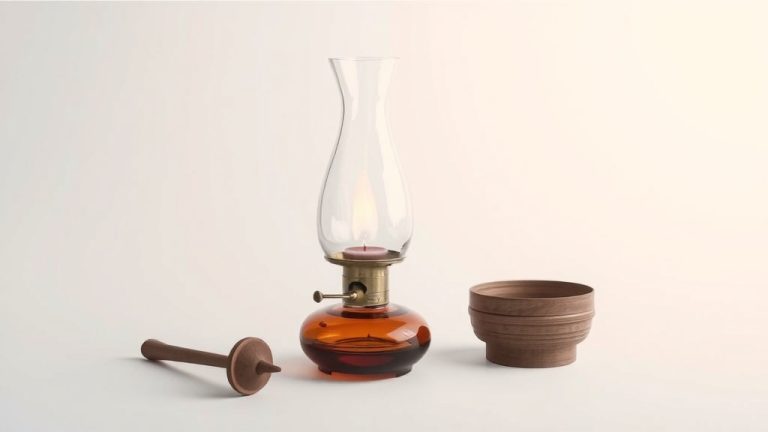
A paraffin lamp typically burns for 8 to 12 hours on a full tank of fuel. Smaller lamps may only last 4 to 6 hours, while larger hurricane-style lamps can run even longer. How long a paraffin lamp burns mostly comes down to its fuel tank size and the width of its wick.
We dug into the research and found that burn time also depends on a few other things, like how high you set the wick and whether you use fresh, clean fuel. Even the air around your lamp plays a role, since drafts make the flame work harder. If you’ve ever wondered why your lamp dies out faster than the label promised, you’re definitely not alone.
- Most paraffin lamps burn 8 to 12 hours per full tank.
- Wick size and flame height make a big difference in fuel use.
- Old or dirty fuel burns faster and can clog your wick.
- Keeping the flame low stretches your burn time considerably.
- Simple maintenance, like trimming the wick, helps a lot.
Below, we break down everything you need to know about paraffin lamp burn times, from the factors that matter most to easy tricks for squeezing out every last hour of light. Let’s get into it.
Burn Time Basics: What to Expect From Your Paraffin Lamp
Once you fill the tank and light the wick, most lamps keep glowing for a full evening and then some. A standard paraffin lamp with a medium tank runs about 8 to 12 hours on one fill. Think of it like a slow-sipping coffee drinker, not a chugger.
We found that burn time is really a math problem. Fuel tank size divided by how fast the wick drinks fuel equals your hours of light. Once you know your lamp’s tank size, you can predict your burn time pretty accurately.
Average Burn Times by Lamp Style
Not all lamps are created equal. A tiny oil candle and a big hurricane lantern live in different leagues. Here’s a quick comparison we put together based on typical manufacturer specs:
| Lamp Style | Typical Tank Size | Average Burn Time |
|---|---|---|
| Small oil candle | 4–8 oz | 3–5 hours |
| Chamber-style lamp | 8–12 oz | 5–8 hours |
| Standard paraffin lamp | 12–16 oz | 8–12 hours |
| Hurricane lantern | 24–32 oz | 12–16 hours |
Keep in mind these are averages, not promises. Your actual numbers will shift based on the factors we cover below. Still, this table gives you a solid starting point before you buy or fill up.
Why Wick Width Matters So Much
The wick is basically a fuel straw. A wider wick pulls up more fuel and makes a bigger, brighter flame. That sounds great until you realize your 12-hour lamp just became a 7-hour lamp.
Many lamps let you swap wick sizes. A flat 3/4-inch wick is common, but some lamps take half-inch wicks for a dimmer, longer burn. If burn time matters more than brightness, a narrower wick is your friend.
What Makes Your Lamp Burn Faster
Sometimes your lamp quits hours before you expected. Nine times out of ten, one of three culprits is to blame. Let’s walk through each one so you can spot the problem fast.
Flame Height and the Wick Knob
That little knob on the side of your lamp isn’t just decoration. It raises and lowers the wick, which changes your flame height. Crank it up and you get a tall, smoky flame that eats fuel like a teenager eats pizza.
Many experts say the ideal flame is about 1/2 inch tall with a steady, teardrop shape. A flickering or smoking flame means the wick is too high. Lower it a touch and watch your burn time stretch.
Fuel Quality and Freshness
Old fuel is sneaky. It looks fine in the can, but it can break down and leave gunky residue in your wick. A clogged wick burns unevenly and wastes fuel.
Store your fuel in a sealed container, away from sunlight, and try to use it within a year. Fresh fuel burns cleaner and slower, which means more hours of light per tank.
Spotting Old Fuel
Wondering if your fuel has gone bad? Look for these warning signs:
- A darker or cloudy color compared to fresh fuel
- A sour or varnish-like smell
- Sediment or flakes sitting at the bottom of the container
- A wick that keeps drying out or burning with orange sputters
If you notice any of these, don’t gamble with it. Toss the old fuel safely and start fresh. Your wick will thank you.
Drafts, Temperature, and Airflow
A flame is a living thing, sort of. It reacts to every breeze in the room. A lamp sitting near a doorway, window, or fan will burn faster because the moving air feeds it extra oxygen.
Research on indoor fuel burning also shows that flame behavior changes with room airflow (CDC). If your lamp sits in a drafty hallway, try moving it to a calmer spot. Small change, big difference.
How to Stretch Every Hour of Burn Time
Want to squeeze the most light out of every fill? We found that a few small habits add up fast. Run through this quick checklist before and during each burn:
- Fill the tank completely, but leave a little air space at the top
- Keep the flame at a steady half inch, not a roaring torch
- Trim the wick straight and even before lighting
- Place the lamp away from windows, doors, and fans
- Use fresh fuel from a sealed container
- Let the lamp cool before refueling, every single time
None of these take more than a minute. Together, they can add real hours to your burn time. Not bad for a minute of effort, right?
Trimming Your Wick the Right Way
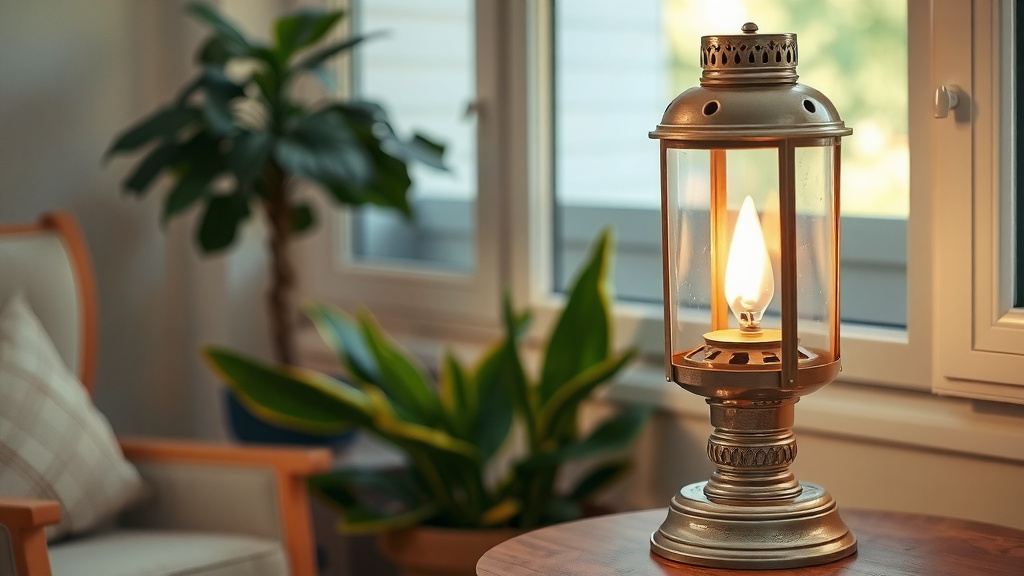
A ragged wick is like a bad haircut. It looks off and behaves worse. Uneven wicks create lopsided flames that burn fuel unevenly and smoke up your glass chimney.
Use clean scissors and trim the wick straight across, removing any charred or frayed bits. Many lamp makers suggest trimming after every few burns. Once the wick gets too short to reach the fuel, replace it rather than fighting it.
Here’s a little story we kept hearing in our research: someone’s lamp kept dying early, and no amount of fuel fixed it. Turns out the wick was charred into a hard crust that blocked fuel flow. One quick trim, and the lamp ran its full 10 hours again.
Paraffin Lamp Safety While It Burns
Long burn times are great, but a lamp running all evening needs a little respect. Burning paraffin fuel indoors releases small amounts of fumes, so health guidance recommends good ventilation whenever you light up (CDC). Crack a window if the lamp runs for hours.
Keep the lamp on a flat, sturdy surface, far from curtains, papers, and curious pets. Never refill a lamp while it’s hot or still burning. Even a warm lamp can flash fuel vapors, and that’s a trip to the ER nobody wants (Mayo Clinic).
Finally, always have a working smoke detector nearby. A paraffin lamp is a lovely, old-fashioned light source. Treat it like the small open flame it is, and it’ll serve you well for years.
Conclusion
Now you know what to expect: most paraffin lamps give you 8 to 12 hours of light per full tank, with smaller lamps falling short and hurricane lanterns lasting even longer. You also know the three big fuel-eaters — a cranked-up wick, stale fuel, and sneaky drafts — and how to beat each one. A trimmed wick and a steady half-inch flame can add real hours to every fill. Ready to put this into practice? Fill your lamp with fresh fuel, trim the wick straight, set that flame low, and enjoy a full evening of warm, reliable light.
Frequently Asked Questions
Can I leave a paraffin lamp burning overnight?
We don’t recommend it. An unattended open flame is a real fire risk, no matter how steady it burns. If you need light through the night, place the lamp where you can check on it, or use it in shorter stretches instead.
Does a paraffin lamp burn out on its own when the fuel runs low?
Yes, it does. When the tank empties, the wick runs dry and the flame shrinks, flickers, and goes out on its own. That said, a very low tank can sometimes char the top of the wick, so it’s better to refuel before it’s completely dry.
How much paraffin fuel does a lamp use per hour?
Most standard lamps sip about 1 to 1.5 ounces of fuel per hour with a normal flame. Crank the wick up and that number climbs fast. A simple way to estimate: divide your tank size by the hours you want and see if it adds up.
Can I mix paraffin fuel with other lamp oils to make it burn longer?
We’d skip that experiment. Mixing fuels can change how the wick draws fuel, cause smoking, or leave residue that clogs things up. Stick with one clean, fresh fuel type and your lamp will burn predictably every time.
Why does my paraffin lamp flame keep getting smaller during a burn?
A shrinking flame usually means the wick is struggling to pull fuel. It could be a charred or uneven wick, fuel running low, or a wick that’s too short to reach the tank. Trim the wick or top off the fuel and see if the flame recovers.