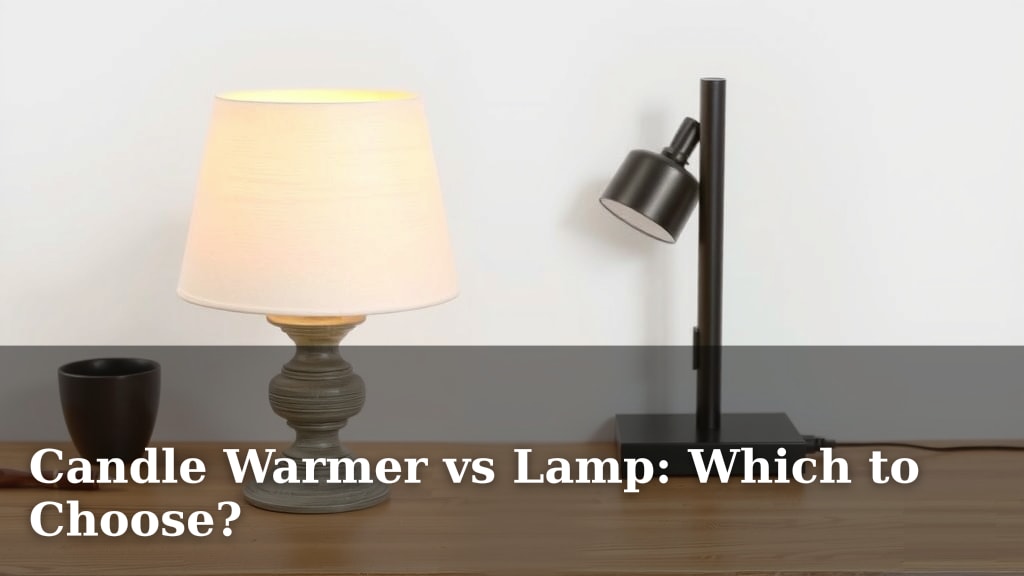
Candle Warmer vs Lamp: Which to Choose?
When deciding between a candle warmer and a lamp, a candle warmer is generally the better choice for scent diffusion and safety. Candle warmers melt the wax directly, releasing fragrance without an open flame. Lamps, while they can also melt wax, often rely on bulbs that might not get hot enough for efficient scent throw. Your decision depends on your priorities: fragrance intensity or ambient lighting.
Both devices offer flameless ways to enjoy scented candles. However, we found that candle warmers are designed specifically to melt wax evenly, leading to a stronger scent. Lamps used as warmers can sometimes be less effective, and their primary purpose isn’t always focused on heat output for melting. Consider your home environment and how you want to experience your favorite scents.
- Candle warmers excel at melting wax for maximum scent release.
- Lamps can melt wax, but their heat might be less consistent.
- Both offer a safer alternative to traditional candle burning.
- Choose a warmer for stronger fragrance, a lamp for dual-purpose ambiance.
Let’s break down the pros and cons of each so you can pick the perfect option for your cozy space.
Candle Warmer vs. Lamp: Deciding on Your Scent Solution
When you’re aiming to fill your home with delightful fragrances without the flicker of a flame, both candle warmers and lamps can seem like great options. But which one truly delivers the best scent experience and fits your lifestyle? We’ve looked into it, and generally, a candle warmer is engineered to melt wax more effectively, giving you a richer aroma. Lamps can also melt candles, but their primary purpose is lighting, so the heat might not be as consistent or powerful for scent diffusion.
Think of it this way: a candle warmer is like a dedicated chef for your candles, while a lamp is more like a helpful sous chef that can also do other kitchen tasks. Both can get the job done, but one is built for a specific task. Your choice really comes down to whether fragrance intensity or the added benefit of ambient light is your main goal.
We found that dedicated candle warmers excel at creating an even melt pool. This means the fragrance oils in your candle are released more consistently and powerfully. Lamps, on the other hand, often rely on the heat generated by a light bulb. While this can melt wax, the temperature might fluctuate or not reach the optimal level for a strong scent throw. So, if you’re chasing that “wow, what’s that amazing smell?” reaction, a candle warmer often takes the lead.
Understanding Candle Warmers: The Scent Specialists
Candle warmers are specifically designed to gently melt the wax of your favorite candles from the top down. This process is often called the “top-down” melting method. It’s a clever way to release fragrance without combustion, which means no soot and no open flame. This makes them a safer choice for homes with children or pets, or if you’re simply mindful of fire safety. Many people appreciate this flameless approach for peace of mind.
How They Work: Heat and Melt
Most candle warmers use a heating element, either a hot plate at the base or a bulb placed above the candle. The heat from this element gradually melts the wax. As the wax melts, the fragrance oils are released into the air. We found that the effectiveness really depends on the wattage of the bulb or the heat output of the plate. Higher heat generally means a quicker and stronger scent release.
Types of Candle Warmers
There are a few main types you’ll come across. The most common is the hot plate warmer, which has a platform where you place your candle. Another popular style is the bulb warmer, which uses a light bulb to generate heat. Some newer models even combine a bulb with a top-down melting mechanism, offering a dual approach. Each type has its own pros and cons regarding speed and scent intensity.
Pros of Using a Candle Warmer
- Excellent Scent Diffusion: They are designed to melt wax evenly, leading to a stronger and more consistent fragrance.
- Enhanced Safety: No open flame means reduced fire risk, making them ideal for busy households.
- No Soot or Smoke: You avoid the black soot residue that can sometimes appear on candle jars or walls with traditional burning.
- Longer Candle Life: By melting instead of burning, your candle can last longer, as the wax isn’t consumed by a flame.
Cons of Using a Candle Warmer
- Less Ambiance: Most warmers don’t provide the cozy, flickering glow that an open flame does.
- Requires Electricity: You’ll need an outlet nearby, limiting placement options slightly.
- Potential for Overheating: Some models, especially older or cheaper ones, might get too hot and alter the scent profile or damage the wax.
Exploring Lamps as Candle Melters: A Dual-Purpose Option
Lamps, particularly those with adjustable brightness or specialized bulbs, can also be used to melt candles. This can be a fantastic way to get a dual benefit: ambient lighting and fragrance. Many people repurpose their existing desk lamps or floor lamps for this. However, it’s important to choose the right kind of lamp for this job. Not all lamps are created equal when it comes to melting candles effectively.
How Lamps Melt Candles: The Bulb Factor
When using a lamp to melt a candle, the heat comes from the light bulb. The idea is to position the bulb close enough to the candle’s wax to melt it without burning. Research suggests that the wattage and type of bulb are critical. Higher wattage incandescent bulbs often produce more heat than LEDs, which are designed for energy efficiency and less heat output. Many experts recommend using a higher wattage bulb (like a 40-60 watt incandescent) for effective melting.
Choosing the Right Lamp for Warmer Duty
If you’re considering using a lamp, look for one where you can easily adjust the bulb’s proximity to the candle. Lamps with flexible arms or adjustable height are ideal. Also, ensure the lamp has a stable base so it won’t tip over. Many people find that a desk lamp or a smaller accent lamp works best because you can often position it very close to the candle. Remember, the goal is to melt, not to cook the candle!
Pros of Using a Lamp as a Warmer
- Dual Functionality: You get both a light source and a scent diffuser in one device.
- Aesthetic Appeal: Lamps can be decorative pieces that enhance your room’s style.
- Flexibility: You might already own a suitable lamp, saving you an extra purchase.
- Adjustable Heat (Sometimes): If the lamp has a dimmer, you might be able to control the melting speed.
Cons of Using a Lamp as a Warmer
- Inconsistent Heat: The heat output may not be as consistent as a dedicated warmer, leading to uneven melting and weaker scent throw.
- Bulb Limitations: Some bulbs (like most LEDs) don’t generate enough heat. You might need to buy specific, higher-wattage bulbs.
- Safety Concerns: Depending on the lamp’s design, there could be a risk of the bulb touching the candle or wax, which can be a fire hazard or damage the lamp.
- Not Designed for Wax: Lamps aren’t optimized for melting wax, so the fragrance release might be less efficient.
Candle Warmer vs. Lamp: A Direct Comparison
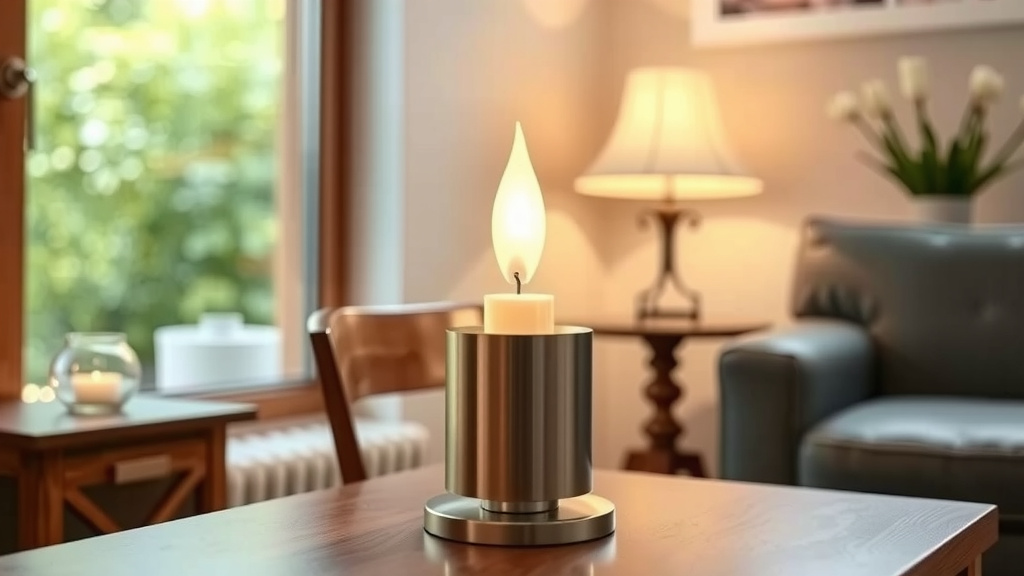
Let’s lay it out side-by-side. When your primary goal is to enjoy the strongest possible fragrance from your candles, a dedicated candle warmer is usually the winner. They are built from the ground up to melt wax effectively and safely. Lamps can work, but they often require more tinkering and may not provide the same intensity of scent.
Consider this table for a quick overview:
| Feature | Candle Warmer | Lamp (as Warmer) |
|---|---|---|
| Scent Intensity | Generally Higher | Variable, often Lower |
| Safety (Flame) | Excellent (No Flame) | Excellent (No Flame) |
| Ease of Use | Very High | Moderate (Requires setup) |
| Ambiance | Low (No light/glow) | High (Provides light) |
| Wax Melting Efficiency | High | Moderate to Low |
| Design Purpose | Scent Diffusion | Lighting |
So, which one is right for your home? If you’re a true scent enthusiast and want to get the most out of every candle, a warmer is likely your best bet. If you love the idea of a cozy light source that also happens to smell nice, and you don’t mind a potentially subtler fragrance, a lamp could be a good fit. Many people even choose to have both!
Making Your Final Decision: A Quick Checklist
To help you decide, ask yourself these questions. This should make your choice clear.
- Do you want the strongest possible scent?
- Is fire safety a top priority in your home?
- Are you looking for an additional light source?
- Do you want a device specifically designed for melting candles?
- How much time are you willing to spend adjusting a device to get the best results?
- Is budget a major consideration (do you already own a suitable lamp)?
Conclusion
When it comes down to it, your choice between a candle warmer and a lamp for scent diffusion hinges on your main goal. If maximum fragrance throw and even melting are your priorities, a dedicated candle warmer is likely your best bet. It’s designed for the job and consistently delivers a strong scent experience. However, if you love the idea of a dual-purpose item that provides both ambient light and a pleasant aroma, and you’re okay with potentially subtler scents, a lamp can be a great option. No matter your choice, both offer a safer way to enjoy your favorite candles. Why not consider where you’ll place it and what vibe you’re going for, then make your pick?
Frequently Asked Questions
Can a candle warmer melt wax too quickly?
Some candle warmers, especially those with very high heat output, can melt wax rapidly. This might cause the fragrance to dissipate faster. We’ve found that models with adjustable heat settings or those that maintain a steady, moderate temperature are often best for a longer-lasting scent.
What type of light bulb is best for using a lamp as a candle warmer?
For effective melting with a lamp, you’ll generally want a higher wattage incandescent bulb, like a 40-60 watt. These produce more heat than most LED bulbs, which are energy-efficient but don’t typically get hot enough to melt wax efficiently.
How do I know if my candle warmer is working correctly?
You’ll know your candle warmer is working when it creates a melt pool—a liquid layer of wax on the surface of your candle. You should start smelling the fragrance within about 15-30 minutes, depending on the warmer and the candle’s scent strength.
Can I use a lamp that has an LED bulb as a candle warmer?
While some very powerful LED bulbs might produce enough heat, most standard LED bulbs are designed for efficient lighting and don’t generate sufficient warmth to melt candle wax effectively. You might find your candle only softens slightly, rather than creating a full melt pool.
Are candle warmers better for candles with strong scents?
Yes, candle warmers generally excel at releasing the full potential of strongly scented candles because they melt the wax evenly and at a consistent temperature. This allows the fragrance oils to vaporize and fill the room more powerfully than some lamps might achieve.
![10 Best 3d Moon Lamp [2026]](https://bestdesklamp.com/wp-content/uploads/2026/09/10-best-3d-moon-lamp-2026-featured-768x432.jpg)
![10 Best Bulb For Himalayan Salt Lamp [2026]](https://bestdesklamp.com/wp-content/uploads/2026/08/10-best-bulb-for-himalayan-salt-lamp-2026-featured-768x432.jpg)