How a Moon Lamp Works: Unveiling the Glow
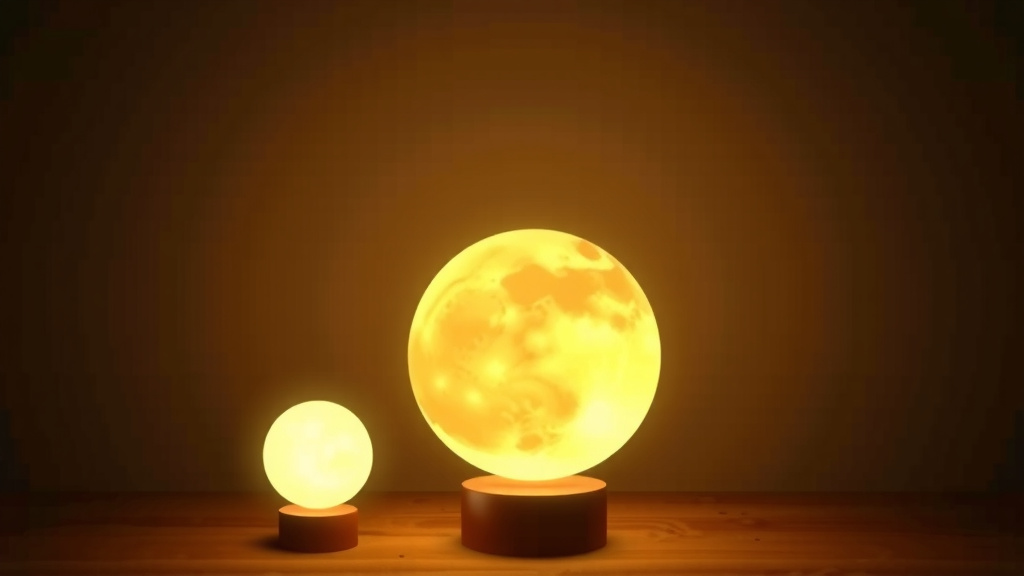
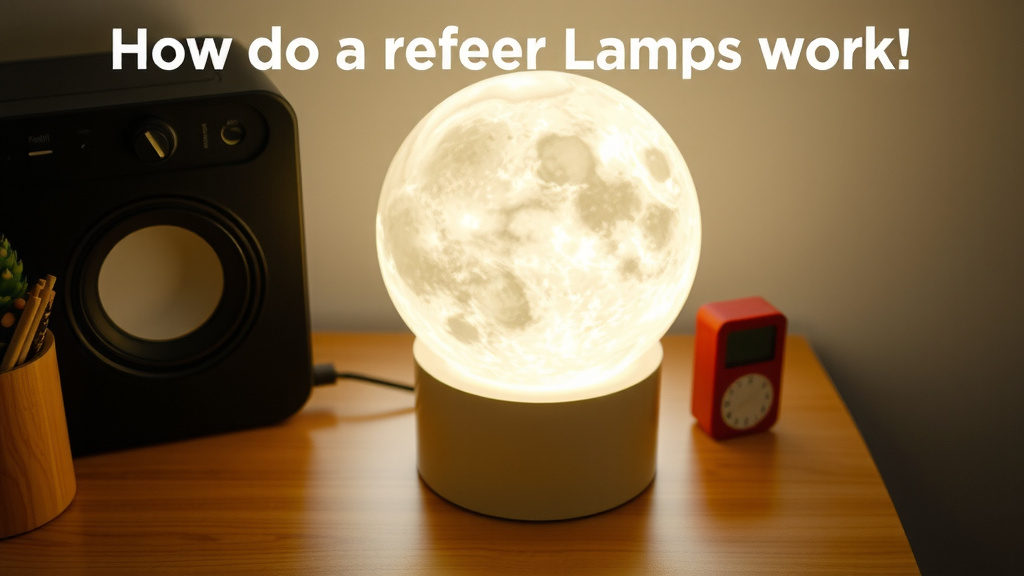
A moon lamp works by using LED lights inside a hollow sphere that mimics the moon’s surface. It’s essentially a decorative light that captures the enchanting glow of our celestial neighbor. Many moon lamps are made using advanced 3D printing technology to replicate the moon’s craters and textures accurately.
These lamps are designed to create a soothing, ambient light. They often come with a remote control, allowing you to change colors and brightness levels. Some even simulate the phases of the moon, adding a touch of lunar magic to your space. It’s a popular choice for bedrooms and living areas seeking a unique, calm atmosphere.
- Moon lamps use LED lights inside a moon-shaped shell.
- They are often made with 3D printing for realistic detail.
- You can usually control the brightness and color.
- Some simulate moon phases for added effect.
- They create a relaxing, ambient mood.
Let’s break down how these magical light fixtures actually work, step by step.
You’ve seen them online, in friend’s homes, or maybe you’re even considering one for your own space. Moon lamps are captivating, aren’t they? They bring a touch of the cosmos right into your room. But have you ever stopped to wonder, “How does a moon lamp actually work?” It’s not magic, though it certainly feels like it. It’s clever design and technology working together.
Understanding Your Moon Lamp’s Inner Workings
At its core, a moon lamp is a decorative light fixture. It’s designed to look like the moon. Most of them use LED technology. This allows for efficient and versatile lighting. They are powered by a battery or a wall adapter. This powers the internal light source. It then shines through the outer shell.
The Shell: More Than Just a Pretty Face
The outer shell is key to the moon lamp’s aesthetic. It’s made to mimic the moon’s appearance. You might see many craters and textures. This realism is often achieved through advanced manufacturing.
3D Printing: Bringing the Moon to Your Home
A popular method for creating these shells is 3D printing. This process builds the lamp layer by layer. It uses plastic filament or resin. The printer follows a digital model of the moon. This model is often based on actual NASA imagery. This allows for a highly accurate representation. It captures the moon’s familiar surface. Some manufacturers even use multiple colors in the print. This helps create the subtle shades of gray and white you see.
Other Materials and Methods
While 3D printing is common, not all moon lamps are made this way. Some might use molded plastic or even ceramic. These methods can still produce a lunar look. However, 3D printing often offers the most detailed and authentic appearance. It’s why many newer models look so lifelike.
The Light Source: Illuminating the Night
Inside the moon-shaped shell is the light. Almost universally, this is a set of LED bulbs. LEDs are fantastic for this purpose. They are small, energy-efficient, and long-lasting. They also produce very little heat. This is important for a lamp that is often held or placed on surfaces.
Color Changing Capabilities
Many moon lamps feature RGB LEDs. These bulbs can produce a wide spectrum of colors. This is how you can often change your lamp from a soft white to a warm yellow, or even blues and purples. You usually control this through a small remote.
Brightness Control for Ambiance
Beyond color, you can typically adjust the brightness. This is another benefit of LEDs. You can dim the light for a gentle nightlight. Or you can brighten it for more ambient room lighting. This flexibility lets you set the perfect mood.
Powering Up Your Lunar Experience
How does the light get its energy? There are a few common methods. Understanding these can help you choose the right lamp for your needs.
Battery Power: Portability and Convenience
Many smaller moon lamps run on Many smaller moon lamps run on rechargeable batteries, offering great portability.rechargeable batteries. These are usually built-in lithium-ion batteries. You charge them using a USB cable. This offers great portability. You can place the lamp anywhere without needing an outlet nearby. The battery life can vary. Some lamps last for several hours on a single charge. It’s a great feature for moving the lamp around your home.
AC Power Adapters: Consistent Illumination
Larger or more powerful moon lamps often come with an AC adapter. This plugs into a standard wall outlet. It provides a consistent power source. You don’t need to worry about recharging. These are ideal for bedside tables or desks. They offer uninterrupted illumination.
The Charging Port Explained
You’ll usually find a small charging port on the lamp itself. This is often a micro-USB or USB-C port. A matching cable is typically included. Some lamps also have a small power button or touch sensor near this port. This button might also control color and brightness.
Advanced Features: Adding More Magic
Some moon lamps go beyond simple light and color. They offer features that enhance the lunar experience.
Simulating Moon Phases
A truly fascinating feature is the ability to simulate moon phases. This is achieved through clever programming. The LEDs might cycle through different brightness levels. They could also display different patterns. This mimics how the moon appears to change shape in the sky. It’s a subtle but beautiful effect.
Remote Control Functionality
Most lamps with color and brightness control come with a remote control. These are usually small, infrared remotes. They let you select specific colors. You can also adjust brightness levels precisely. Some remotes might even have pre-set modes. These could include gentle pulsing or color transitions. It’s your command center for lunar ambiance.
Touch Controls: A Sleek Alternative
Other lamps forgo the remote. They feature touch-sensitive controls. You might tap or hold a specific area on the lamp. This can turn it on or off. You can also cycle through colors or adjust brightness by touch. This offers a cleaner look, without the need for a separate remote.
Here’s a quick checklist to remember the key components:
- Realistic outer shell (often 3D printed)
- Energy-efficient LED lights inside
- Power source (battery or AC adapter)
- Control mechanism (remote or touch sensor)
- Circuitry to manage light and color
Conclusion
So, you’ve learned that your moon lamp isn’t magic, but rather clever engineering. You now know that LEDs provide its gentle glow. You also understand how 3D printing creates its realistic look. Whether it’s battery-powered or plugs into the wall, its function is straightforward. You can now choose the perfect moon lamp for your space. Consider what features matter most to you. You might want portability or a specific mood-setting color. Go ahead and bring a piece of the night sky into your home today!
Frequently Asked Questions
Are moon lamps safe to leave on all night?
Yes, moon lamps are generally safe to leave on all night. They use energy-efficient LED lights which produce very little heat. This means they don’t pose a fire risk like older incandescent bulbs might. Always check the manufacturer’s guidelines for specific advice.
Can I replace the LED bulb in a moon lamp?
Most modern moon lamps have integrated LED lights that are not designed to be user-replaceable. Because LEDs are very long-lasting and energy-efficient, the lamp is often replaced before the lights would typically burn out. If your LEDs fail, you may need to consider a new lamp.
How long does the battery in a rechargeable moon lamp typically last?
Battery life for rechargeable moon lamps can vary significantly. Factors like brightness and color settings play a big role. Generally, you can expect anywhere from 4 to 20 hours of illumination on a single charge. Some lamps may last longer on their lowest settings.
Do moon lamps consume a lot of electricity?
No, moon lamps are very energy-efficient. They primarily use LED technology. LEDs consume significantly less power than traditional bulbs. Even when left on for extended periods, their electricity usage is minimal. You won’t see a noticeable spike in your energy bill.
Can a moon lamp help with sleep?
Many people find the soft, adjustable glow of a moon lamp helps create a calming atmosphere conducive to sleep. You can dim the light to a very low setting. This gentle illumination can be less disruptive than brighter lights. Some lamps even offer warm, natural color tones.

![10 Best Ceiling Lamps For Living Room [2026]](https://bestdesklamp.com/wp-content/uploads/2026/08/10-best-ceiling-lamps-for-living-room-2026-featured-768x432.jpg)