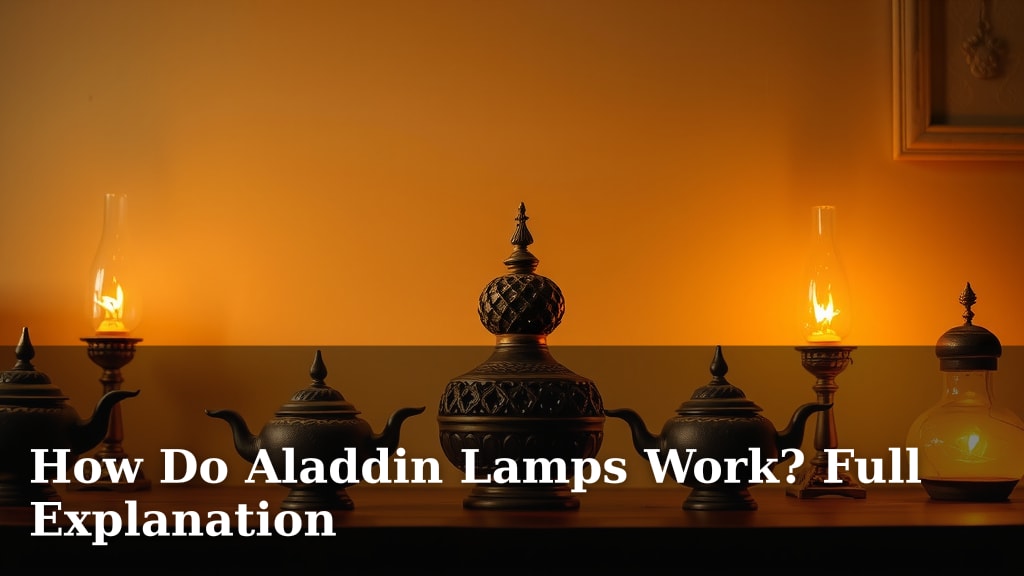
How Do Aladdin Lamps Work? Full Explanation
An Aladdin lamp works by using a cotton wick dipped in kerosene or paraffin oil. The oil travels up the wick through capillary action, acting as fuel. When you light the wick, the flame burns the fuel, producing light and heat. This simple, yet effective, mechanism has illuminated homes for centuries.
These classic lamps are more than just a light source; they represent a clever bit of engineering. The design ensures a steady fuel supply to the flame. This design allows for a consistent and controllable light. Many researchers agree that its simplicity is its greatest strength.
- Aladdin lamps burn oil-soaked wicks.
- Capillary action draws fuel up the wick.
- Kerosene or paraffin oil is the typical fuel.
- It’s a simple design for a consistent light.
Ready to see how this magic happens in detail? Let’s walk through exactly how an Aladdin lamp works, step by step.
Understanding How Aladdin Lamps Produce Light
Aladdin lamps are a marvel of simple design. They use a wick and oil to create a bright, steady flame. This method has lit homes for over a century. You might wonder what makes them so effective. It all comes down to a few key principles working together.
The Core Components of an Aladdin Lamp
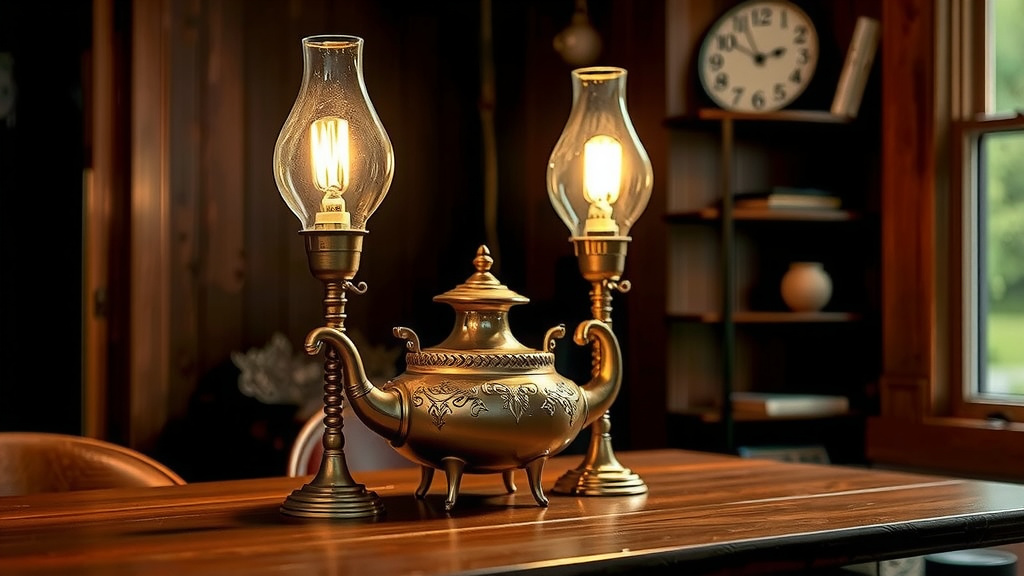
At its heart, an Aladdin lamp has a few essential parts. There’s the oil reservoir, which holds the fuel. Then, there’s the wick, usually made of cotton. This wick soaks up the fuel. A metal chimney surrounds the flame. This chimney plays a vital role in directing airflow.
The Oil Reservoir: Fueling the Flame
The reservoir is typically made of metal or glass. It’s designed to hold enough kerosene or paraffin oil for hours of light. You fill it carefully, making sure not to overfill. A full reservoir means fewer interruptions for you. Keeping it clean helps ensure the oil flows smoothly.
The Wick: The Fuel’s Journey
The wick is perhaps the most important part for light production. It’s a strip of absorbent material, often cotton. This material acts like a tiny straw. It draws the oil up from the reservoir. This process is called capillary action. The oil saturates the entire length of the wick. This allows it to burn evenly.
The Chimney: Directing Air and Heat
The glass chimney is more than just a protective shield. It’s shaped to create a draft. This draft draws air into the base of the lamp. This fresh air feeds the flame. It also helps direct the heat upwards. This process intensifies the flame and makes it burn brighter. Without the chimney, the flame would be weak and smoky. You’d get very little light.
The Science Behind the Light: Capillary Action and Combustion
So, how does this all come together to create light? It’s a two-part process: getting the fuel to the flame and then burning it effectively.
Capillary Action: The Wick’s Work
Capillary action is a natural phenomenon. It’s how water moves up plant stems. It’s also how oil travels up the Aladdin lamp’s wick. The forces between the liquid and the container’s walls are stronger than the liquid’s internal forces. This pulls the liquid upwards. For Aladdin lamps, this means the kerosene or paraffin oil steadily climbs the cotton wick. It reaches the top where it’s ready to be lit. This continuous supply is key to a steady light.
Combustion: Creating the Glow
Once the wick is saturated with oil, you light the tip. The heat from the initial flame causes the oil to vaporize. This oil vapor then mixes with oxygen from the air. This mixture is highly flammable. The flame is essentially the combustion of these oil vapors. The burning process releases heat and light. The chimney ensures a constant supply of oxygen. It also channels the hot gases away. This creates a stable, bright, and clean-burning flame. Many sources describe this as a form of controlled burning.
Aladdin Lamps vs. Other Oil Lamps
Aladdin lamps stand out from older, simpler oil lamps. Their design offers several advantages. Let’s look at how they compare.
| Feature | Aladdin Lamp | Traditional Oil Lamp |
|---|---|---|
| Light Output | Bright, steady, clean light | Dim, flickering, often smoky |
| Airflow Management | Specialized chimney creates draft | Simple wick, poor airflow |
| Fuel Efficiency | Efficient burning due to design | Less efficient, more wasted fuel |
| Ease of Use | Simple to operate once set up | Can be tricky to get a good flame |
The key difference lies in the airflow. Older lamps relied on a simple wick. They often produced more smoke and soot. The Aladdin lamp’s chimney design was revolutionary. It allowed for a much more efficient and pleasant light. This design is why they became so popular. Research from the early 20th century highlighted these improvements.
Tips for Optimal Aladdin Lamp Performance
To get the best light from your Aladdin lamp, a few things help. Keeping the components clean is essential. Using the right type of fuel is also important. And don’t forget proper wick maintenance.
- Clean the reservoir: Remove any old fuel residue.
- Trim the wick: Keep the wick trimmed to about 1/4 inch.
- Use quality fuel: Stick to kerosene or paraffin oil.
- Adjust the wick: Find the sweet spot for a bright flame.
- Keep the chimney clean: Soot buildup can reduce light.
Following these simple steps ensures your lamp provides reliable light. It helps avoid common issues like flickering or excessive smoke. Many users report great results with regular care.
Conclusion
You now understand the clever simplicity behind your Aladdin lamp. It’s all about the wick’s capillary action and the chimney’s airflow. This system ensures a bright, steady flame by efficiently delivering fuel and oxygen. Keeping your lamp clean and well-maintained will help you enjoy its warm glow for years to come. Next time you light it, appreciate the science at work. To best enjoy your lamp, consider finding a dedicated spot for it where you can safely use its light regularly.
Frequently Asked Questions
Can I use lamp oil other than kerosene or paraffin in my Aladdin lamp?
It’s best to stick with high-quality kerosene or paraffin oil. These fuels are designed for Aladdin lamps and burn cleanly. Using other types of oil might produce more smoke or soot, potentially damaging your lamp.
How often should I trim the wick of my Aladdin lamp?
You should trim the wick when it starts to develop a carbonized crust or if the flame begins to flicker unevenly. Generally, trimming it about every 20-40 hours of burn time is a good practice. Always make sure the lamp is cool and the wick is dry before trimming.
Why does my Aladdin lamp produce smoke?
Smoke usually indicates a lack of proper airflow or an improperly trimmed wick. Ensure your chimney is clean and correctly positioned. Also, check that the wick is trimmed to the correct height and not burning too high. Adjusting the wick down slightly can often resolve smoky flames.
How do I know when to refill the oil reservoir?
You’ll notice the flame starting to dim or flicker more noticeably. This is your cue that the fuel level is getting low. It’s a good idea to refill the reservoir before it runs completely dry to avoid interruptions and potential wick damage.
Is it safe to leave an Aladdin lamp burning unattended?
While Aladdin lamps are designed for safety, it’s never recommended to leave any open flame unattended. Always place your lamp on a stable, heat-resistant surface away from curtains or flammable materials. Ensure children and pets cannot knock it over.


![10 Best Buy Smart Lamp [2026]](https://bestdesklamp.com/wp-content/uploads/2026/08/10-best-buy-smart-lamp-2026-featured-768x432.jpg)
![10 Best Battery Powered Desk Lamp [2026]](https://bestdesklamp.com/wp-content/uploads/2026/08/10-best-battery-powered-desk-lamp-2026-featured-768x432.jpg)