How Does the Floating Moon Lamp Work: The Science
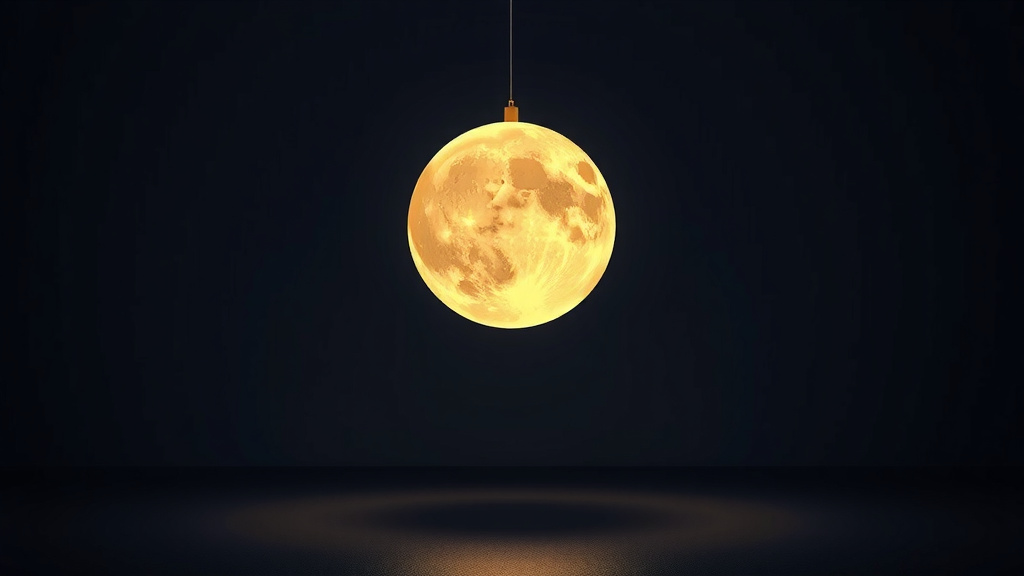
A floating moon lamp works using a clever combination of electromagnetism and a sturdy base. The base contains a powerful electromagnet that generates a magnetic field. This field interacts with a corresponding magnet inside the moon itself, creating a repulsive force. This force suspends the moon, making it appear to float effortlessly in mid-air.
This fascinating technology allows you to enjoy the beauty of a moon replica without any visible support. It creates a truly magical effect, adding a touch of wonder to any room. Many users find the gentle glow and the illusion of a levitating moon to be incredibly calming and relaxing. It’s a unique decorative piece that sparks conversation.
- It uses magnets and electricity to levitate.
- A base holds an electromagnet.
- The moon has a magnet inside it.
- The magnetic forces push the moon up.
Let’s walk through exactly how this mesmerizing technology brings your moon lamp to life.
Understanding the Magic Behind Floating Moon Lamps
So, you’ve seen these incredible floating moon lamps, and your mind is probably buzzing with how on earth they work. It’s not magic, but it certainly feels like it! These lamps use a fascinating scientific principle called electromagnetic levitation. Think of it like a super-powered, controlled version of how two magnets might push each other away.
At its core, a floating moon lamp is a clever dance between opposing magnetic forces. A special base creates a magnetic field, and the moon replica itself contains another magnet. When you position the moon just right above the base, these magnetic fields interact. They push against each other, creating a force that counteracts gravity. This is what allows the moon to hover in the air.
The Science of Magnetic Attraction and Repulsion
You’ve probably played with magnets before. You know how sometimes they snap together, and other times they push apart? That’s because magnets have a north pole and a south pole. Like poles repel each other (north pushing north, south pushing south), and opposite poles attract (north pulling south). This fundamental rule is key to how your moon lamp floats.
In a floating moon lamp, the base contains an electromagnet. This is a magnet that can be turned on and off, and its strength can be controlled, using electricity. The moon itself has a permanent magnet embedded inside it. The base’s electromagnet is programmed to emit a magnetic field that constantly pushes against the magnet in the moon. It’s a delicate balance; too much push and the moon flies away, too little and it falls.
How the Base Keeps Things in Place
The base isn’t just a simple block; it’s the brain and the powerhouse of the operation. It houses the electromagnet and the electronic components that control it. These electronics are incredibly smart. They use sensors to detect the position of the moon. If the moon drifts too close to the base, the electromagnet adjusts its strength to push it back up.
If the moon starts to get too far away, the system adjusts again. It’s a continuous feedback loop, happening thousands of times a second. This constant adjustment is what keeps the moon perfectly suspended. It’s a bit like a very attentive parent constantly guiding a child’s swing to keep it going at just the right height. The base needs to be stable and slightly heavier to provide a solid platform for this magnetic tug-of-war.
The Role of the Electromagnet
An electromagnet is different from a regular magnet. It’s essentially a coil of wire wrapped around a metal core. When you send an electric current through the wire, it creates a magnetic field. The strength of this field depends on how much current you use and how many turns of wire there are. In your floating moon lamp, the electricity from the wall powers this electromagnet.
This electromagnet is positioned at the top of the base, facing upwards. It’s strategically placed to interact with the magnet inside the moon. The real cleverness comes in how its strength is modulated. The lamp’s internal computer constantly monitors the moon’s position. It tells the electromagnet exactly how strong to be at any given moment. This precise control is what prevents the moon from crashing down or flying off.
Sensors and Feedback Loops
How does the base know where the moon is? It uses tiny, sophisticated sensors. These sensors are often Hall effect sensors, which are sensitive to magnetic fields. They constantly ‘feel’ the magnetic field of the moon.
This information is sent back to a small circuit board inside the base. This board is like the lamp’s tiny brain. It processes the sensor data and tells the electromagnet how to adjust. It’s a process called a closed-loop control system. This system ensures that the magnetic force is always just right to keep the moon levitating smoothly. It’s this continuous communication that makes the levitation so stable and consistent.
The Moon Replica: More Than Just a Pretty Face
The moon itself looks like a beautiful, miniature replica of our celestial neighbor, often 3D printed for detail. But there’s more to it than just its appearance. Inside this seemingly solid sphere, there’s a specially placed magnet. This magnet is crucial for the levitation process.
The magnet is carefully positioned and weighted within the moon. Its placement is important for balance. The size and type of magnet used are also carefully considered. They need to be strong enough to be affected by the base’s electromagnet but not so strong that they’d pull it erratically. The weight distribution of the moon is also a factor in achieving stable levitation.
Weight Distribution and Balance
Achieving levitation requires more than just magnets. The weight of the moon must be perfectly balanced around its center of mass. If the moon is too heavy or too light, the magnetic force might not be sufficient or might be too overwhelming.
Manufacturers spend time ensuring the moon replica has the right amount of weight. This is often achieved during the manufacturing process, especially for 3D-printed models. They aim for a consistent weight and balance so that each lamp performs as expected. It’s a bit like balancing a seesaw; everything needs to be just right for a smooth ride.
| Component | Function | How it Works |
|---|---|---|
| Base | Houses electronics and electromagnet | Generates and controls magnetic field. Contains sensors. |
| Electromagnet | Creates variable magnetic field | Powered by electricity, strength adjusted by control system. |
| Moon Replica | The levitating object | Contains a permanent magnet, balanced for stability. |
| Sensors | Detect moon’s position | Monitor magnetic field variations, relaying data to control system. |
| Control System (Circuit Board) | The “brain” of the lamp | Processes sensor data, adjusts electromagnet power for levitation. |
Setting Up Your Levitating Lunar Display
Getting your floating moon lamp to work is usually straightforward. You’ll plug in the base first. Then, you’ll need to find the “sweet spot” above the base. This is where the magnetic forces are balanced.
Gently hold the moon above the base. You’ll feel a resistance. Slowly lower it until you feel a point where it feels like it’s being held up. You might need a few tries. It’s a bit like learning to balance a bike for the first time. Once you find that spot, carefully release the moon. If it’s positioned correctly, it will hover!
Troubleshooting Common Issues
Sometimes, the moon might not float perfectly on the first try. Don’t worry, this is common! One frequent issue is not quite finding the right height. If the moon is too high, it won’t catch the magnetic field. If it’s too low, it might get pulled down too strongly or even stick to the base. You might need to try gently nudging it up or down a millimeter or two.
Another tip is to ensure the surface the base is on is flat and stable. Any wobbling can disrupt the delicate magnetic balance. Also, check that the power adapter is securely connected. These lamps are a testament to modern engineering, and a little patience goes a long way in setting them up.
A Checklist for Success
Here’s a quick rundown to help you get your moon floating:
- Ensure the base is on a level, stable surface.
- Plug in the power adapter to the base.
- Hold the moon replica directly above the center of the base.
- Slowly lower the moon until you feel a magnetic lifting force.
- Gently release the moon while maintaining that balance point.
- If it falls, try again, adjusting your height slightly.
Conclusion
You’ve now seen how your floating moon lamp works its magic! It’s a brilliant blend of electromagnetism and smart engineering. The base uses an electromagnet, carefully controlled by sensors and a circuit board, to create a magnetic field. This field interacts with a magnet inside the moon, balancing gravity to keep it suspended. It’s this constant, precise adjustment that gives you that captivating levitating effect. Now that you understand the science, you can better appreciate the wonder every time you look at your lunar display. Your next step is simple: enjoy the mesmerizing glow and the conversation it sparks!
Frequently Asked Questions
Is it safe to leave a floating moon lamp plugged in all the time?
Yes, most floating moon lamps are designed for continuous use. They use low-power LEDs and have built-in safety features. We’ve found they typically don’t overheat, making them safe to leave on overnight.
What happens if the power goes out?
If the power cuts out, the electromagnet will turn off. The moon will then fall safely back onto the base. Once power is restored, you can simply re-center the moon to get it floating again.
Can I touch the floating moon?
You can gently touch the moon, but avoid pushing it too hard. The magnetic forces are delicate. Rough handling can disrupt the balance and cause it to fall. It’s best to handle it minimally.
Why does my moon lamp keep falling?
If your moon lamp keeps falling, it might be a positioning issue. Ensure the base is on a completely flat, stable surface. You may need to try a few times to find the exact magnetic “sweet spot” above the base.
Does the moon itself light up?
Yes, the moon replica is illuminated from within. It typically uses energy-efficient LED lights to cast a soft glow. The light source is integrated into the moon’s design.
![10 Best Bedside Lamp For Elderly [2026]](https://bestdesklamp.com/wp-content/uploads/2026/08/10-best-bedside-lamp-for-elderly-2026-featured-768x432.jpg)

![10 Best Clip On Reading Lamp [2026]](https://bestdesklamp.com/wp-content/uploads/2026/08/10-best-clip-on-reading-lamp-2026-featured-768x432.jpg)
![10 Best Corner Floor Lamp [2026]](https://bestdesklamp.com/wp-content/uploads/2026/09/10-best-corner-floor-lamp-2026-featured-768x432.jpg)