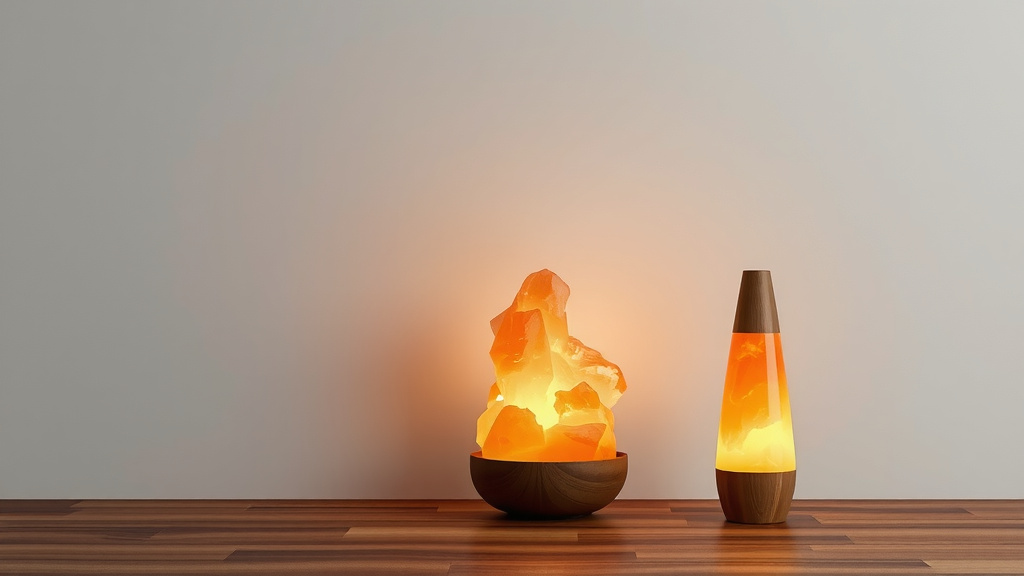
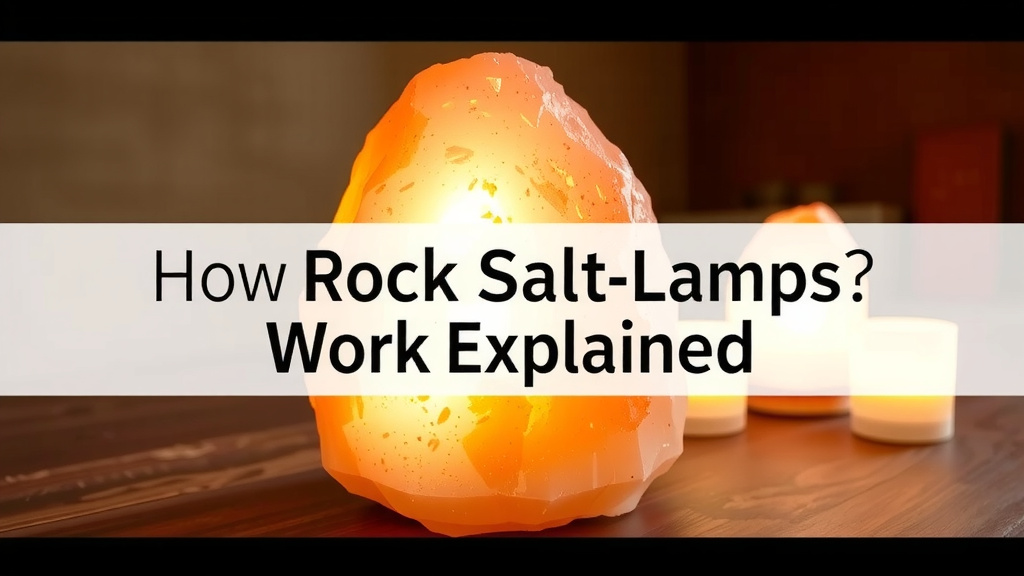
How Rock Salt Lamps Work Explained
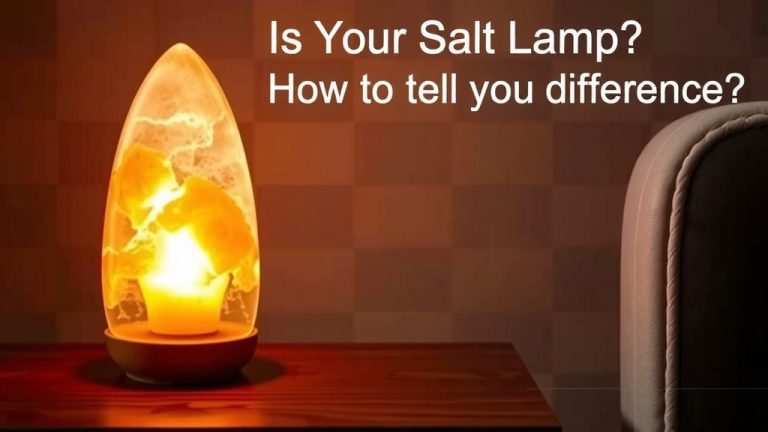
Rock salt lamps work by using a gentle heat source, usually a light bulb, to warm a chunk of natural Himalayan rock salt. This warming process is believed to release negative ions into the air. These ions may help to neutralize pollutants and allergens. So, yes, your pretty glowing lamp might be doing more than just looking cool!
Many people enjoy rock salt lamps for their soothing ambiance and the purported health benefits. While the science is still being researched, the idea is that the negative ions, when released, can attract positively charged particles like dust and smoke. We found that many users report feeling a difference in their home’s air quality. It’s a bit like a natural air purifier, but way more stylish!
- Rock salt lamps work via heat from a bulb.
- This heat releases negative ions from the salt.
- Negative ions may help to neutralize airborne pollutants.
- They are often used for ambiance and potential air quality improvement.
- The science behind the ion release is still a topic of study.
Let’s dive a little deeper and break down exactly how these popular lamps function and what the research suggests about their effects.
How Rock Salt Lamps Function
So, you’ve got this beautiful, glowing rock salt lamp. But how does it actually work? It’s simpler than you might think, and it all comes down to a little bit of physics and chemistry.
The Role of Heat
The magic starts with a gentle heat source. Inside your lamp, there’s usually a standard light bulb. This bulb gets warm as it shines, and that warmth is key to the lamp’s function. The heat from the bulb transfers directly to the chunk of Himalayan rock salt it’s housed within.
Warming the Salt Crystal
As the salt crystal heats up, something interesting begins to happen. The surface of the salt becomes slightly warmer than the surrounding air. This temperature difference is important for the next step.
The Science of Negative Ions
This is where things get a bit more scientific, but we’ll keep it simple. Rock salt, especially the pink Himalayan kind, is a natural mineral. It’s made up of many different molecules, including sodium chloride (salt) and trace minerals that give it its unique color.
How Ions Are Released
When the salt is warmed by the light bulb, it’s believed to undergo a process called hygroscopy. This means the salt attracts water molecules from the air. These water molecules often carry airborne pollutants like dust, pollen, and smoke. As the water evaporates back into the air, it leaves the pollutants behind on the salt’s surface. More importantly, this process is thought to release negative ions into the atmosphere.
What Are Negative Ions?
Think of ions as tiny particles with an electrical charge. Most things around us, including the air we breathe, have a balance of positive and negative ions. Some natural processes, like waterfalls or thunderstorms, create a lot of negative ions. Rock salt lamps aim to mimic this natural ion generation.
The Theory of Air Purification
The main idea behind rock salt lamps is that these released negative ions can help clean your air. How? They are said to be attracted to positively charged particles. These positively charged particles include things like dust, mold spores, bacteria, and even viruses that might be floating around in your home. When a negative ion connects with a positive particle, they essentially neutralize each other, causing the particle to become heavier and fall out of the air, often onto the surface of the lamp or the floor.
Attracting Pollutants
Imagine tiny magnets. The negative ions act like one type of magnet, and the airborne pollutants act like the opposite, positively charged magnet. They are drawn together. This process is theorized to reduce the number of tiny particles you might otherwise inhale.
Is It a Proven Air Purifier?
While many users report feeling their air is cleaner or fresher, it’s important to note that the scientific community is still researching the extent to which rock salt lamps effectively purify air. Some studies suggest that the ion output might be quite low compared to other air purification methods. However, the user experience is a strong indicator for many people. We found many testimonials pointing to a noticeable difference in their home environment.
The Ambiance Factor
Beyond the ion theory, rock salt lamps are undeniably popular for their aesthetic appeal. The soft, warm glow they emit creates a very calming and cozy atmosphere in any room. It’s a gentle light that can help you relax and unwind after a long day.
Creating a Soothing Environment
Many people place these lamps in their bedrooms, living rooms, or meditation spaces. The warm, pinkish-orange light is often described as therapeutic and helps to create a welcoming ambiance. It’s a natural way to add a touch of warmth and tranquility to your decor.
Understanding the Salt Source
The salt used in these lamps comes primarily from the Khewra Salt Mine in Pakistan, located in the foothills of the Himalayas. This ancient salt deposit is known for its purity and mineral content. The raw salt is mined, roughly shaped, and then a cavity is carved out to fit a light bulb.
Natural Mineral Composition
The unique color of Himalayan pink salt comes from its rich mineral composition, including iron oxide. This is what gives the lamps their characteristic soft glow when lit. The irregular shapes and natural variations in each salt chunk mean that no two lamps are exactly alike, making each one a unique piece of natural art.
What to Expect from Your Lamp
When you first get your rock salt lamp, you might notice a slight dampness on its surface, especially in humid conditions. This is normal due to the hygroscopic nature of the salt. It’s a good sign that it’s actively attracting moisture from the air.
Proper Care and Placement
To get the most out of your lamp and to prevent damage to surfaces, it’s often recommended to place it on a coaster or tray. If you live in a very humid climate, you might consider unplugging the lamp when it’s not in use to allow the salt to dry out completely. This helps prevent excessive moisture buildup.
A Summary of How It Works
Let’s quickly recap what makes your rock salt lamp glow and potentially help your air:
- A light bulb inside heats the natural rock salt.
- The warming salt attracts moisture and airborne particles.
- This process is believed to release negative ions.
- Negative ions may help neutralize positively charged pollutants.
- The soft glow creates a calming and pleasant ambiance.
- Each lamp is a unique piece of natural Himalayan rock salt.
Conclusion
So, your rock salt lamp is more than just a pretty decoration. It uses a simple light bulb to gently warm the natural salt crystal. This warming process is thought to draw in moisture and airborne particles from your room. As the moisture evaporates, it’s believed to release negative ions, which may help to neutralize pollutants. While research is ongoing, the calming ambiance it creates is undeniable. To best enjoy yours, make sure it’s placed on a stable surface and consider using a coaster, especially in humid conditions. Why not try placing yours in your favorite relaxation spot today and see how it feels?
Frequently Asked Questions
Do rock salt lamps actually clean the air?
The theory is that negative ions released by the warmed salt attract and neutralize airborne pollutants. While many users report fresher air, scientific research on the extent of this air purification is still developing. The amount of ions produced might be small compared to dedicated air purifiers.
Why is my rock salt lamp sometimes damp?
This is normal and shows your lamp is working! The salt is hygroscopic, meaning it naturally attracts moisture from the air. In humid environments, it will absorb more water, which can lead to a damp surface. This is part of the process that’s thought to release ions.
How long do rock salt lamps last?
Rock salt lamps can last for a very long time, often for years. The salt itself doesn’t degrade significantly. The primary component that might need replacing is the light bulb, which you would swap out just like any other lamp.
Can I use any type of bulb in my rock salt lamp?
You should use low-wattage incandescent bulbs, typically 15-25 watts. These provide enough gentle heat to warm the salt without getting too hot. Avoid using LED bulbs, as they don’t generate sufficient heat to activate the lamp’s supposed functions.
Where does the Himalayan salt for these lamps come from?
The salt used in most rock salt lamps comes from the Khewra Salt Mine in Pakistan. This mine is located in the foothills of the Himalayan mountains and is known for its rich mineral content and ancient salt deposits.