
How to Safely Turn Off an Oil Lamp
Turning off an oil lamp is pretty simple. You just need to gently smother the flame by reducing its oxygen supply. The safest way to do this is by using the lamp’s built-in snuffer cap or a purpose-made snuffer tool to cut off the air. Don’t blow out the flame, as this can send soot into the air and potentially spread burning oil.
When you’re done enjoying your lamp, a quick and careful extinguishing is key for safety. Understanding the best method helps prevent accidents and keeps your lamp in good shape. We found that always having a snuffer tool handy is the best practice. It’s a small step that makes a big difference in lamp safety and maintenance.
- Use a snuffer cap or tool to smother the flame.
- Never blow out an oil lamp.
- Reducing oxygen is the main principle.
- Safety first when handling flames.
Let’s walk through exactly how to turn off your oil lamp safely and effectively, step by step.
“`htmlExtinguishing Your Oil Lamp Safely and Simply
Turning off an oil lamp might seem straightforward, but doing it correctly is key for safety. You want to peacefully end the flame without any fuss. The best method involves cutting off its fuel (oxygen). This prevents accidents and keeps your lamp in great shape. Let’s look at the steps you should take.
Understanding How Flames Work
A flame needs three things to burn: heat, fuel, and oxygen. This is often called the “fire triangle.” For an oil lamp, the wick provides the fuel and draws up the oil. The heat comes from the burning process itself. The oxygen is readily available from the air around us. To turn off the lamp, you simply need to remove one of these elements. The easiest one to control is oxygen.
The Snuffer: Your Lamp’s Best Friend
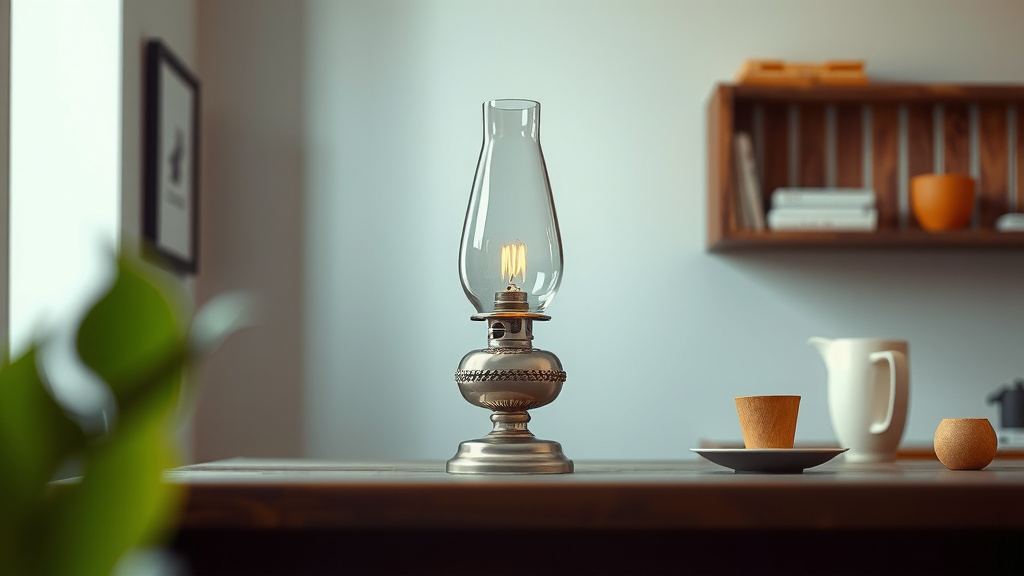
Most oil lamps come with a snuffer cap. This is a little metal piece designed specifically for the job. It has a dome or a flat top and a handle. When you place the snuffer cap over the flame, it traps the air. Without oxygen, the flame runs out of what it needs to burn and goes out. We found this to be the most effective and safest tool.
Using the Snuffer Cap Properly
First, make sure the lamp has been burning for a bit. This ensures the wick is properly saturated with oil. Gently grasp the handle of the snuffer cap. Carefully bring it down over the flame. Ensure the cap completely covers the opening where the wick is. You should see the flame flicker and die down within a few seconds. Avoid touching the hot glass or metal parts of the lamp.
When You Don’t Have a Snuffer Cap
Sometimes, you might lose the original snuffer cap. Or, your lamp might not have come with one. In these cases, a purpose-made snuffer tool is your next best option. These are often shaped like scissors or a small spoon with a rounded end. They work on the same principle: blocking the oxygen supply. You gently lower the snuffer’s end onto the flame, cutting off the air. Many experts recommend keeping a dedicated snuffer tool with your lamp collection.
If you’re in a real pinch and have absolutely nothing else, you can carefully use the metal collar that holds the wick. Some collars are designed to be twisted to cover the flame. However, this method is less ideal. It’s easy to accidentally touch the hot wick or spill oil. We found that having a dedicated tool makes a big difference in safety.
What NOT to Do When Turning Off Your Lamp
The most common mistake people make is blowing out the flame. While this works for a birthday candle, it’s a bad idea for oil lamps. Blowing on the flame can cause several problems. It can send a puff of smoke and soot into the air. This can make your room smell smoky. More importantly, it can cause tiny droplets of burning oil to splatter. This is a fire hazard. Many safety guidelines strongly advise against blowing out oil lamps (National Fire Protection Association).
Why Blowing Out is Risky
When you blow, the force of the air can create tiny embers. These embers can travel. They might land on nearby curtains, paper, or other flammable materials. This can lead to an unexpected fire. It’s like a mini explosion of burning oil. The smell of burnt wick can also linger. This is something you want to avoid if possible.
Avoid Tilting or Shaking
Another thing to avoid is tilting or shaking the lamp to put out the flame. This is extremely dangerous. It can cause the burning oil to spill. Hot oil can ignite instantly if it lands on a surface. This is a recipe for a serious accident. Always extinguish the flame while the lamp is stable and upright. Keep it in its normal operating position.
A Simple Checklist for Safe Extinguishing
To make sure you’re always turning off your lamp safely, follow this quick checklist. It helps solidify the right habits. These steps are simple but incredibly effective.
- Have your snuffer cap or tool ready.
- Make sure the lamp is stable and upright.
- Gently place the snuffer over the flame.
- Allow the flame to extinguish on its own.
- Wait for the wick and lamp to cool down.
- Store your lamp safely.
Post-Extinguishing Care
Once the flame is out, give the lamp a moment to cool. The glass chimney and the metal top can be very hot. Don’t try to refill it or move it right away. Let it cool down completely. This prevents thermal shock to the glass. It also makes handling the lamp safer for you. Cleaning the wick and trimming it might be necessary before the next use. But for now, just let it rest.
| Method | Pros | Cons |
|---|---|---|
| Snuffer Cap/Tool | Safest, cleanest, prevents splattering, highly effective. | Requires having the tool. |
| Twisting Collar (if applicable) | Uses the lamp’s built-in parts. | Can be tricky, risk of touching hot wick, potential for spills. |
| Blowing Out | Quick (initially). | High risk of smoke, soot, and oil splattering. Not recommended. |
| Tilting/Shaking | None. | Extremely dangerous. High risk of fire and burns. Never do this. |
Conclusion
You’ve learned that safely turning off your oil lamp is all about controlling the flame’s oxygen. Using a snuffer cap or tool is the most reliable and safest method we found. It prevents smoke, soot, and dangerous oil splatters. Remember, blowing out a lamp or shaking it can lead to serious accidents. Always prioritize safety by using the right tool and allowing the lamp to cool naturally. Keep these simple steps in mind for enjoyable and safe lamp use.
Frequently Asked Questions
What is the fastest way to turn off an oil lamp?
The fastest and safest way is to use your lamp’s snuffer cap or a dedicated snuffer tool. These tools quickly cut off the oxygen supply to the flame, extinguishing it within seconds. We found this method to be both efficient and hazard-free.
Can I use a piece of cardboard to put out an oil lamp?
While you might be tempted, using something like cardboard is not recommended. It can easily catch fire itself or create a lot of smoke and soot. Sticking to a proper snuffer ensures you smother the flame without introducing new fire risks.
How long should I wait before moving an oil lamp after turning it off?
You should wait until the lamp is completely cool to the touch. The glass chimney and metal parts can remain hot for quite some time after the flame is out. This prevents burns and potential damage to the lamp from thermal shock.
What if my oil lamp doesn’t have a snuffer cap?
If your lamp came without a snuffer or you’ve misplaced it, we highly recommend purchasing a separate snuffer tool. They are inexpensive and designed specifically for this purpose, working on the same principle of cutting off oxygen.
Is it safe to leave an oil lamp burning unattended for short periods?
No, it’s never recommended to leave any flame source unattended, including oil lamps. Always ensure the lamp is stable and that there are no flammable materials nearby before you turn it off. Safety should always be your top priority.
![10 Best Adjustable Desk Lamp [2026]](https://bestdesklamp.com/wp-content/uploads/2026/09/10-best-adjustable-desk-lamp-2026-featured-768x432.jpg)


![10 Best Basking Lamp For Turtles [2026]](https://bestdesklamp.com/wp-content/uploads/2026/08/10-best-basking-lamp-for-turtles-2026-featured-768x432.jpg)