How Long to Use a Heat Lamp for Chicks?
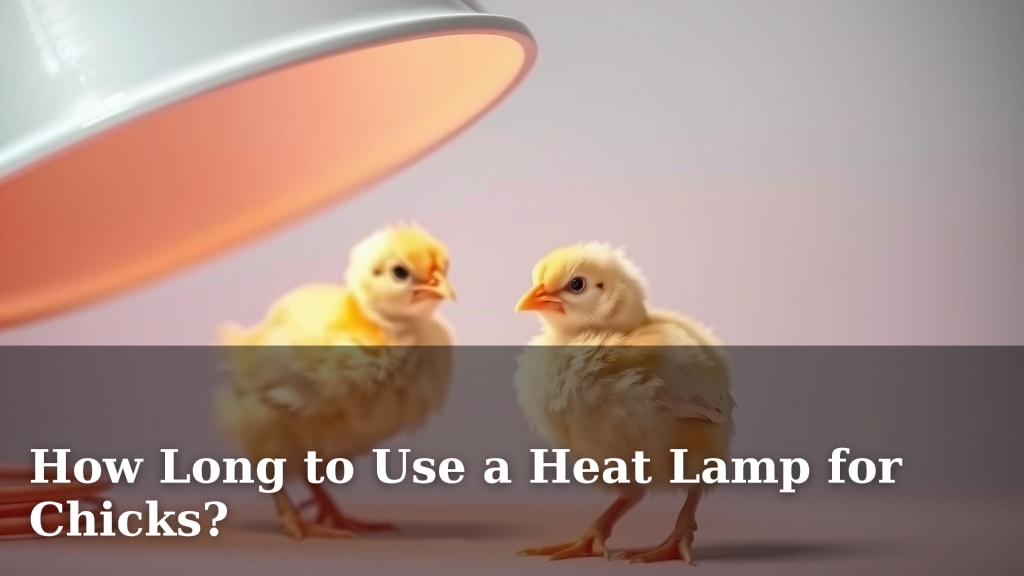
You’ll generally need to keep your chicks under a heat lamp for about 3 to 7 weeks. This period is crucial because newborn chicks can’t regulate their own body temperature yet. The exact duration depends on factors like the ambient temperature and your chicks’ breed. We found that proper heat is vital for their early survival and growth.
Getting the heat lamp timing right helps prevent your chicks from getting too cold or too hot. Too little heat can lead to chills, while too much can cause heat stress. Understanding these temperature needs is a key part of chick care. It ensures they develop into healthy adult birds. Many experienced poultry keepers agree on this.
- Chicks need a heat lamp for 3-7 weeks.
- This is because they cannot regulate their body temperature initially.
- Factors like room temperature and chick breed matter.
- Watch your chicks for signs of discomfort (too hot or too cold).
Let’s dive into the specifics of chick brooding and temperature regulation. We’ll cover how to tell if your chicks are comfortable and when it’s truly time to dim the lamp.
“`htmlWhen to Gradually Remove Heat for Chicks
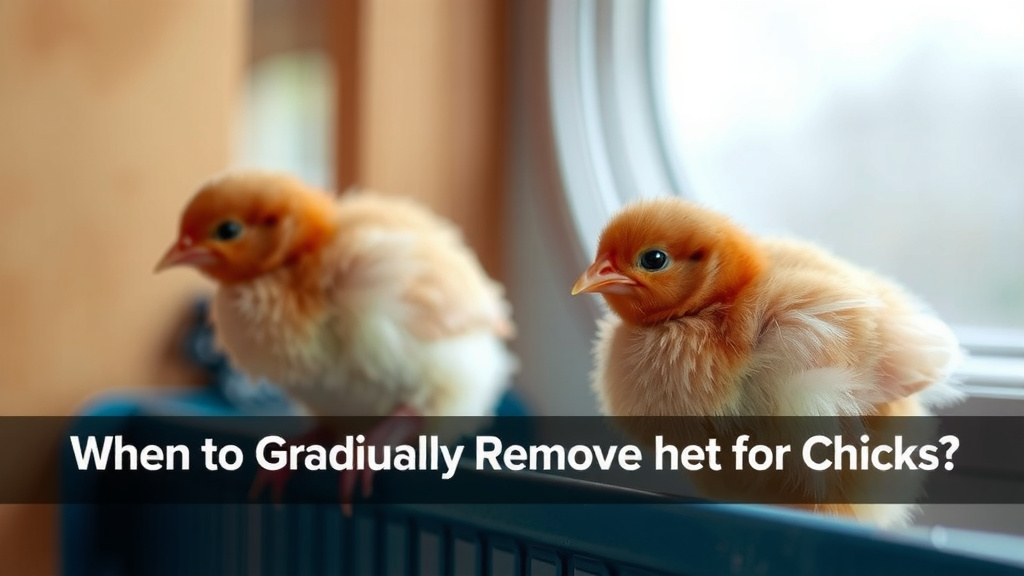
You’ll typically need to provide supplemental heat for your chicks for about 3 to 7 weeks. This period is essential because young chicks cannot yet regulate their own body temperature effectively. Think of them like tiny, fluffy thermostats that are still under construction.
The exact timing for removing heat lamps can vary. Several factors come into play, and it’s important to observe your chicks closely. We found that the goal is to help them slowly adjust to their environment.
Understanding Chick Temperature Needs
Chicks are born with limited ability to maintain their body heat. Their downy feathers offer some insulation, but it’s not enough, especially in cooler brooder conditions. Research indicates that their ideal temperature starts high and gradually decreases.
The Initial Heat Requirement
For the first week, chicks thrive in a brooder temperature of around 95 degrees Fahrenheit (35 degrees Celsius). This warmth mimics the temperature under a mother hen. Many poultry experts recommend this initial high heat for optimal development (The Poultry Keeper).
Gradually Decreasing the Temperature
After the first week, you can begin to lower the temperature. A good rule of thumb is to reduce the heat by about 5 degrees Fahrenheit (2-3 degrees Celsius) each week. This gradual decrease allows your chicks’ natural thermoregulation to develop.
By week two, aim for about 90°F (32°C). Week three might see them comfortable at 85°F (29.5°C), and so on. This slow transition prevents shock and stress on their developing systems.
Observing Your Chicks for Comfort
The most reliable way to know if your heat lamp is set correctly is by watching your chicks’ behavior. They are quite vocal and expressive about their comfort levels. It’s like having a room full of tiny thermometers. We found that observing their actions is key.
Signs Your Chicks Are Too Cold
If your chicks are huddled tightly together in a single large, noisy clump, they are likely too cold. You might also hear constant chirping, which can be an indicator of distress. If they are shivering or reluctant to move away from the heat source, it’s a sure sign more warmth is needed.
Signs Your Chicks Are Too Hot
On the other hand, if your chicks are spread far apart, panting, or holding their wings away from their bodies, they are probably too hot. They might also be very quiet and listless. If they are trying to get as far away from the heat lamp as possible, turn it down or raise it.
Just Right: The Goldilocks Zone
When chicks are comfortable, they will be spread out evenly in the brooder. They will move around, peck at food and water, and settle down to sleep in loose groups. They’ll seem generally content and active. This is the sweet spot you’re aiming for.
Environmental Factors Affecting Heat Needs
While the 3-7 week guideline is a good starting point, your brooder’s environment plays a huge role. You can’t just set it and forget it. You need to be mindful of your surroundings.
Ambient Room Temperature
If you’re brooding chicks in a very cold garage or basement, they will need heat for longer. Conversely, if your home is already warm, you might be able to reduce the heat sooner. We found that the surrounding air temperature is a major influencer.
Drafts and Airflow
Drafts can significantly chill chicks, even with a heat lamp. Ensure your brooder is protected from any direct air currents. Good ventilation is important to prevent moisture buildup, but you don’t want a constant breeze blowing over them. Many poultry guides recommend a draft-free zone (North Carolina Cooperative Extension).
Brooder Setup and Materials
The type of bedding you use can also affect temperature. Thick, absorbent bedding can help insulate. The size of the brooder matters too; a larger space allows chicks more room to move away from the heat if they feel too warm. A smaller space can get hotter faster.
Breed Differences and Heat Lamp Duration
Some chick breeds are hardier than others. Certain breeds have been developed for different climates and may tolerate cooler temperatures slightly better once they are a few weeks old. However, for most common backyard breeds, the standard guideline applies.
For instance, breeds known for thriving in colder climates might adapt a bit faster. But we found that in the early weeks, all chicks benefit from consistent, controlled warmth. It’s always better to err on the side of too much warmth than too little in the beginning.
The Role of the Heat Lamp Itself
The type of heat lamp you use and how you position it will impact the temperature gradient in your brooder. A common setup is a heat lamp with a ceramic emitter or a red bulb. The height of the lamp is adjustable.
Adjusting Lamp Height
If your chicks seem too cold, you can lower the heat lamp a few inches. If they are too hot, raise it higher. This simple adjustment allows you to fine-tune the temperature. Always monitor your chicks for their reactions to these changes.
Considering Alternatives to Heat Lamps
While heat lamps are common, some people prefer alternatives like heated brooder plates or under-tank heaters designed for reptiles, with a thermostat to regulate. These can provide a more consistent, safer heat source, reducing fire risk. Research indicates that a heat plate can be very effective for mimicking a mother hen’s warmth (Iowa State University Extension).
Checklist for Transitioning Away from the Heat Lamp
Ready to phase out the heat? Here’s a quick checklist to ensure you’re doing it right:
- Ensure chicks are at least 3 weeks old.
- Check that ambient room temperature is consistently above 70°F (21°C).
- Observe chicks to ensure they are not huddling or chirping excessively.
- Confirm they are actively eating, drinking, and moving around.
- Be prepared to bring the heat back if temperatures drop suddenly.
- Have a backup heat source available for unexpected cold snaps.
Conclusion
You’ve learned that providing the right heat for your chicks is a balancing act. Generally, you’ll need a heat lamp for 3 to 7 weeks, but your chicks’ comfort is your best guide. Watch for signs of them being too cold or too hot. Remember to gradually decrease the temperature each week and consider your room’s ambient temperature and any drafts. By paying close attention to your flock and adjusting as needed, you’ll help them transition smoothly into healthier, independent birds. Now, go enjoy your growing flock!
Frequently Asked Questions
How do I know if my chicks are warm enough without a thermometer?
Observe your chicks’ behavior. If they are spread out evenly and seem active, they’re likely comfortable. If they huddle together, chirp constantly, or shiver, they need more heat.
Can I use a regular light bulb as a heat source for chicks?
While a regular light bulb produces heat, it’s not ideal. Dedicated heat lamps are designed to provide consistent warmth and are safer for brooder setups. Using the wrong type could pose a fire risk or provide insufficient heat.
What happens if I remove the heat lamp too early?
If you remove the heat lamp too soon, your chicks can become chilled. This can lead to stress, reduced growth, increased susceptibility to illness, and in severe cases, death. They need time to develop their ability to regulate their own body temperature.
Is it okay to have a draft in the brooder if there’s a heat lamp?
No, it’s best to avoid drafts completely. Even with a heat lamp, a draft can blow cool air over your chicks, making them cold and stressed. Ensure the brooder is in a protected, draft-free area.
When can chicks go outside without a heat lamp?
Chicks can typically go outside without a heat lamp once they are fully feathered and the outside temperature is consistently above 70°F (21°C), usually around 6-8 weeks old. Always monitor the weather and your specific chicks’ hardiness.