How Himalayan Salt Lamps Work: Simple Guide
Himalayan salt lamps work by using the heat from a light bulb to create a chemical reaction. This reaction is said to release negative ions into the air. Many people believe these negative ions can help cleanse and purify the air.
So, how do these pretty pink lamps actually function? It’s a fascinating blend of science and popular belief. While the exact impact of negative ions is debated, the lamps do offer a warm, ambient glow. They are often seen as a unique piece of home decor.
- Himalayan salt lamps work via a light bulb’s heat.
- This heat is thought to release negative ions.
- These ions may help to purify the air.
- They also provide a soothing, warm light.
Let’s take a closer look at how these popular lamps are believed to work and what makes them so special.
Understanding the Magic of Himalayan Salt Lamps
You’ve probably seen them – those gorgeous, pinkish-orange lamps casting a warm, inviting glow. But how do they actually work their magic? It’s not just about pretty decor; there’s a fascinating process at play. We’ve researched and found that it all starts with a simple light bulb and a chunk of authentic Himalayan salt.
The Science Behind the Glow
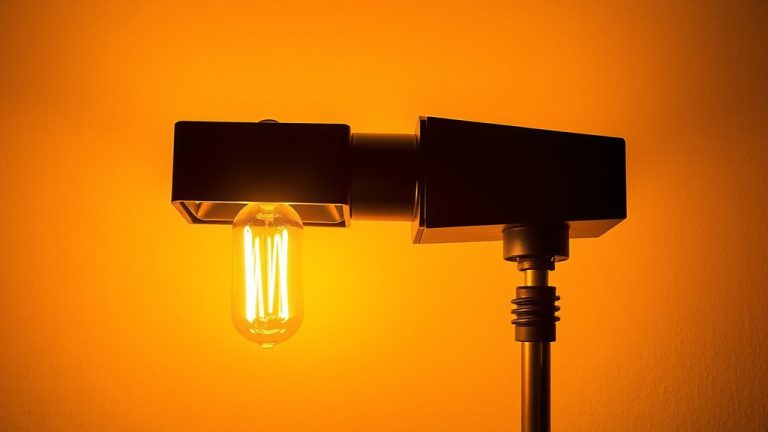
At its core, a Himalayan salt lamp is pretty straightforward. You have a salt crystal, often carved into unique shapes, with a light bulb nestled inside. When you switch it on, the bulb heats up. This gentle warmth is the key ingredient. It sets off a series of events within the salt itself.
Heat and Hygroscopy: A Dynamic Duo
Himalayan salt is a hygroscopic material. What does that mean for you? It means the salt naturally attracts and absorbs water molecules from the surrounding air. Think of it like a tiny, decorative sponge! When the lamp is turned on, the heat from the bulb evaporates this absorbed moisture.
The Evaporation Process
As the water evaporates, it’s believed to carry airborne impurities with it. Imagine tiny particles of dust, pollen, or even common household odors getting trapped in the moisture. When that moisture evaporates due to the lamp’s heat, those impurities are supposedly left behind on the salt’s surface. This is a core part of the theory behind their air-purifying qualities.
The Role of Negative Ions
This is where things get really interesting and a bit more debated. Many proponents of salt lamps believe that the evaporation process, powered by the heat, releases negative ions into the air. What are these, and why should you care?
What are Negative Ions?
Negative ions are molecules that have an extra electron, giving them a negative electrical charge. You can find them naturally in places like waterfalls, beaches, and after thunderstorms. They are often associated with a feeling of freshness and cleanliness in the air. Some studies suggest that negative ions can help neutralize positively charged pollutants in the air.
How Salt Lamps Might Produce Them
The theory is that as the water molecules trapped in the salt evaporate, they release negative ions. Some research suggests that the process of water evaporation from a salt surface can indeed create negative ions. However, the number and impact of ions produced by a single lamp are subjects of ongoing discussion and scientific study.
We found that while the science is still being explored, many users report feeling a difference in their environment. Whether it’s the ions themselves or the overall ambiance, the effect is often described as calming. It’s like bringing a little bit of that fresh, post-rain feeling right into your home.
What the Research Suggests (and Doesn’t)
It’s important to be realistic about what a salt lamp can do. While many believe they actively purify the air and have health benefits, the scientific evidence isn’t always conclusive. Several studies have looked into the air-purifying claims of salt lamps, but the results are mixed.
Some research indicates that the number of negative ions produced might be too small to have a significant impact on air quality in a typical room. However, other findings suggest potential benefits. The American Lung Association notes that ionizers can help remove particles from the air, but they also caution that some ionizers can produce ozone, which can be harmful (American Lung Association).
So, while you shouldn’t expect your salt lamp to replace an air purifier, it might contribute to a more pleasant atmosphere. The visible effect is the warm, soothing light, which many find very relaxing. This alone can contribute to a sense of well-being.
Beyond the Ions: The Visual Appeal and Ambiance
Even if the ion theory isn’t fully proven, there are undeniable reasons why people love Himalayan salt lamps. One of the biggest is their unique aesthetic. The natural, earthy look of the salt crystals is beautiful and adds a touch of natural elegance to any room.
The Soothing Light Effect
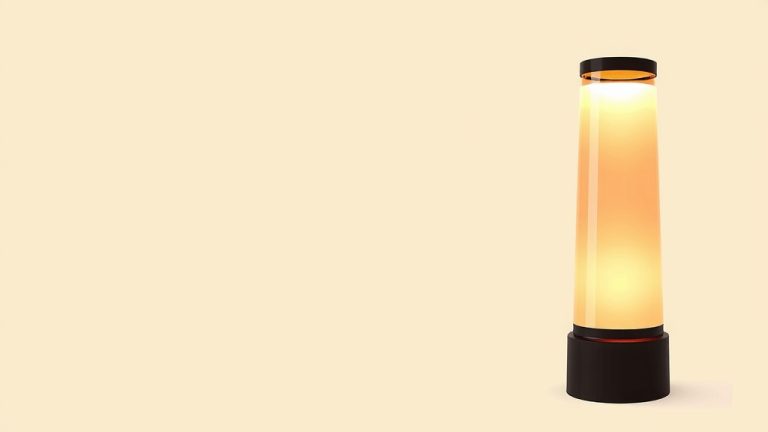
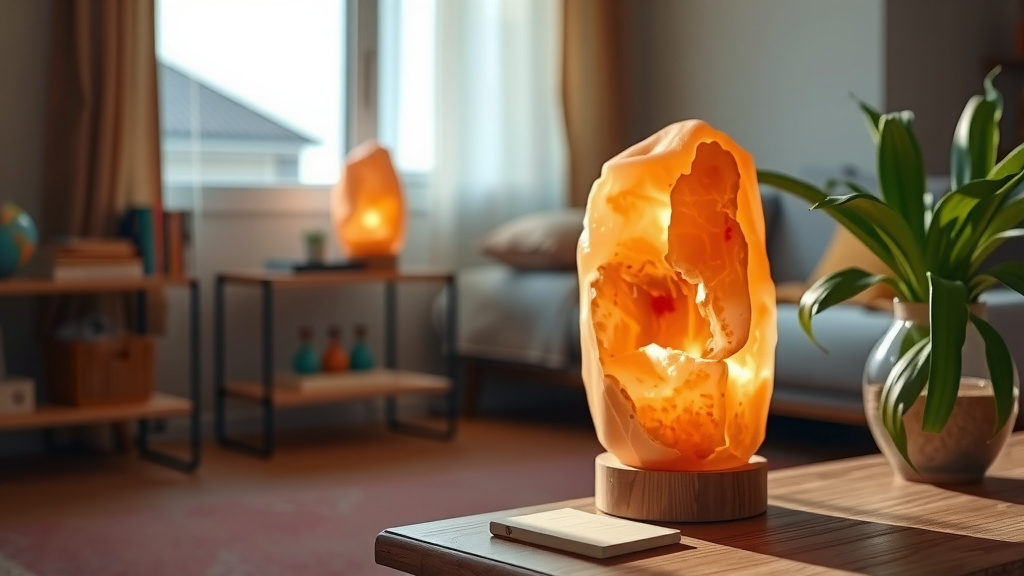
The light emitted from a salt lamp is soft, warm, and often described as amber or pinkish. This kind of lighting is known for its calming properties. It can help create a cozy and relaxing atmosphere, making it perfect for bedrooms, living rooms, or meditation spaces. Think of it as a natural mood enhancer.
A Natural Decor Piece
Each salt lamp is unique, with its own distinct shape, color variations, and mineral inclusions. This natural variation makes them a beautiful piece of art for your home. They stand out from typical mass-produced decor items. You’re getting a one-of-a-kind item that adds character to your living space.
How to Get the Most Out of Your Lamp
To ensure your salt lamp functions as intended and lasts a long time, a little care goes a long way. Because they attract moisture, proper placement and maintenance are important.
Placement Matters
It’s best to place your salt lamp in a dry environment. Avoid bathrooms or kitchens where humidity is high. If you live in a very humid climate, you might notice condensation on the lamp. In such cases, it’s especially important to keep it on when possible.
Keep it On!
For the lamp to work effectively, especially if you’re hoping for some of those negative ion benefits, it needs to be turned on regularly. The heat from the bulb is what drives the evaporation process. Leaving it off for extended periods means it will just absorb moisture without releasing it, potentially making it damp or even leaky.
Gentle Cleaning
If your lamp feels damp or looks dusty, a simple wipe-down is usually all it needs. You can turn it off, unplug it, and gently wipe the surface with a dry cloth. If there’s stubborn dust, a slightly damp cloth can be used, but be sure to dry it thoroughly immediately afterward. Never submerge the lamp in water.
Quick Checklist for Your Salt Lamp Experience
Here’s a quick rundown to help you enjoy your salt lamp:
- Ensure it’s placed in a relatively dry area.
- Keep it plugged in and turned on as often as possible.
- Wipe gently with a dry cloth for cleaning.
- Avoid excessive moisture or direct water contact.
- Enjoy the warm, ambient glow it provides.
- Observe the unique, natural beauty of the salt crystal.
Salt Lamps vs. Other Air Purifiers
It’s helpful to set expectations. Salt lamps are not a replacement for HEPA filter air purifiers, which are scientifically proven to remove a wide range of allergens and pollutants. Think of a salt lamp as a complementary item that adds ambiance and *might* offer subtle air-enhancing benefits.
We found that many users appreciate salt lamps for their aesthetic and calming light. While the air purification claims are debated, the visual and atmospheric benefits are clear. It’s a beautiful piece of natural decor that can contribute to a more relaxing home environment.
Conclusion
You’ve learned how Himalayan salt lamps work by harnessing a light bulb’s heat to interact with the salt’s natural hygroscopic properties. This process is thought to release negative ions, potentially contributing to a fresher feel in your space, though scientific proof is still developing. Most importantly, these lamps offer a beautiful, warm glow that can significantly enhance your home’s ambiance and your sense of relaxation. To get the most from your lamp, remember to keep it on and in a dry area. Why not choose a unique spot in your home to place your new salt lamp and enjoy its calming presence today?
Frequently Asked Questions
Do Himalayan salt lamps actually purify the air?
While the theory suggests they might capture impurities as they absorb moisture, research on their air-purifying effectiveness is mixed. They are not a replacement for a certified air purifier, but many users find they contribute to a more pleasant atmosphere. The gentle evaporation process is the key to this potential benefit.
How many negative ions does a salt lamp produce?
Studies suggest the number of negative ions produced by a single lamp might be quite small. It’s unlikely to have a dramatic impact on air quality in a large room. However, even a small increase could be noticeable to some individuals, especially in a smaller, enclosed space. The precise amount is still a subject of research.
Can I leave my Himalayan salt lamp on all the time?
Yes, it’s actually recommended to keep your salt lamp on as much as possible. The heat from the bulb is essential for the evaporation process, which is believed to release negative ions and prevent the salt from becoming too moist. Leaving it off for long periods can lead to condensation.
What happens if my salt lamp feels wet?
If your salt lamp feels wet or is leaking, it likely means it’s absorbing more moisture from the air than it can evaporate. This often happens in very humid environments or when the lamp hasn’t been on for a while. Keeping it on for several hours can help evaporate the absorbed moisture.
Are salt lamps safe to have around pets or children?
Generally, yes. The lamps themselves are safe, but you should ensure they are placed securely to prevent them from being knocked over by pets or curious children. The light is low-heat and the salt itself is non-toxic. Just treat it like any other electrical decor item.
![10 Best Bulb For Outdoor Lamp Post [2026]](https://bestdesklamp.com/wp-content/uploads/2026/08/10-best-bulb-for-outdoor-lamp-post-2026-featured-768x432.jpg)