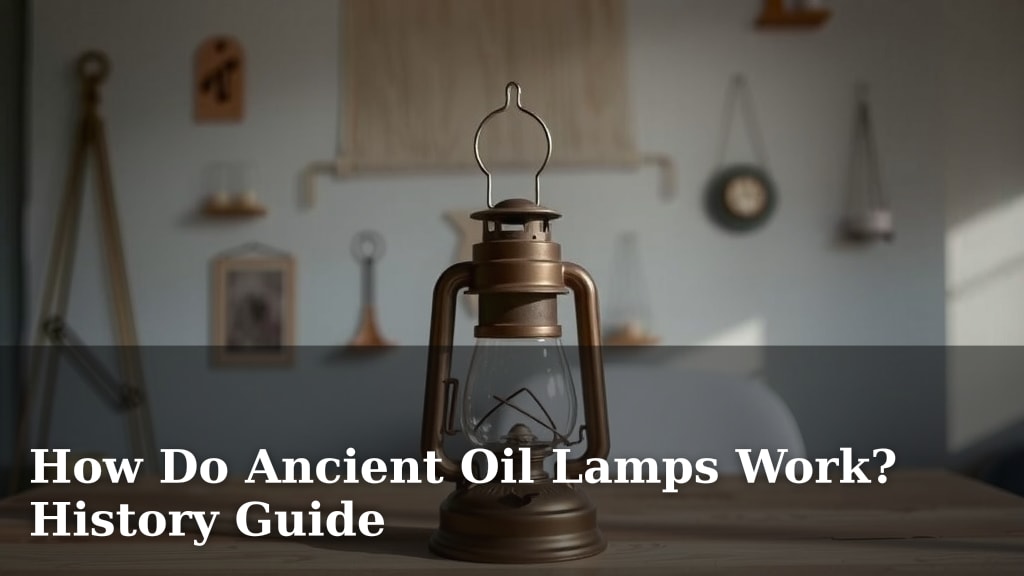
How Do Ancient Oil Lamps Work? History Guide
Ancient oil lamps worked by using a simple yet brilliant principle: capillary action. A reservoir held oil, typically olive oil or animal fat. A wick, made from absorbent material like flax or papyrus, was placed so one end sat in the oil and the other extended out of a spout. The oil would then travel up the wick, feeding a steady flame that provided light. This design allowed for consistent and portable illumination for millennia.
Before electricity, these lamps were essential for daily life, changing how people worked and lived. They illuminated homes, workshops, and religious sites, effectively extending the usable day. Different cultures developed unique lamp designs, from simple clay bowls to more elaborate metal creations, showing a universal need for reliable light sources. Their widespread use highlights their importance in human history and technological development.
- Ancient oil lamps used capillary action for light.
- A reservoir held oil, feeding a wick.
- The wick drew oil up to create a flame.
- These lamps were essential before electricity.
- Many cultures developed unique lamp designs.
Let’s dive into the fascinating history and mechanics behind these ancient wonders and see how they truly lit up the world.
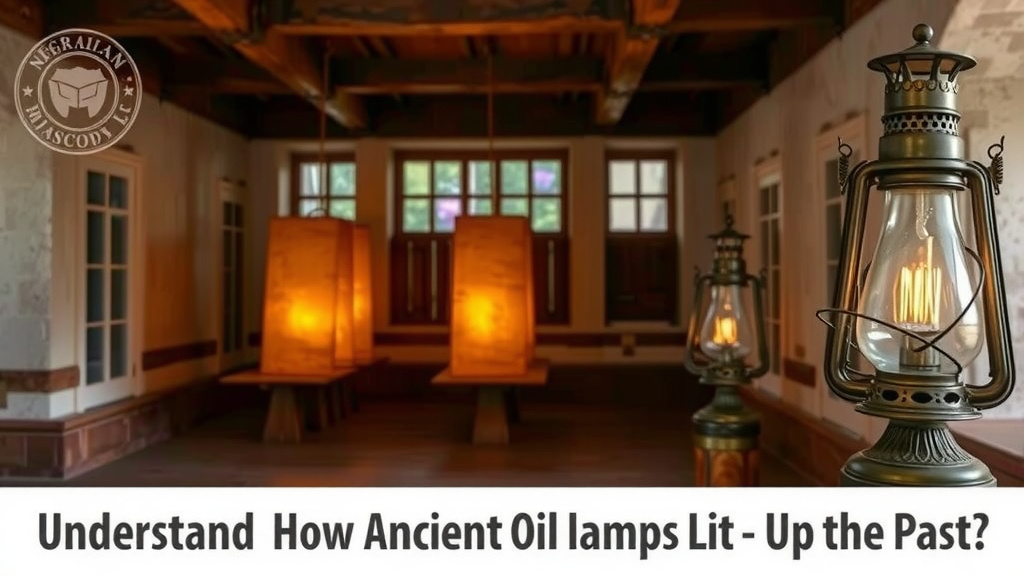
Understanding How Ancient Oil Lamps Lit Up the Past
You’re probably familiar with the idea of an oil lamp. But how did these ancient devices actually function without modern technology? It’s a surprisingly simple concept. Researchers discovered that the core mechanism relied on a natural phenomenon. This allowed people to have light long before electricity.
The Magic of Capillary Action
The key to how these lamps worked is capillary action. Think of it like a paper towel soaking up spilled water. The absorbent material draws the liquid upward. In an oil lamp, the wick acts like that paper towel. It pulls the fuel from the reservoir to the flame.
What is Capillary Action?
Capillary action happens when a liquid is drawn into a narrow space. This can be a tube, a porous material, or even plant tissues. The liquid molecules are attracted to the walls of the space. They also attract each other. This combined force allows the liquid to move against gravity. Many plants rely on this for water transport.
Wick Material Matters
The choice of wick material was essential. It needed to be absorbent but also durable enough to burn slowly. Early wicks were often made from things like flax, hemp, or papyrus reeds. Sometimes, animal hair was even used. The quality of the wick directly affected the lamp’s performance.
The Components of an Ancient Oil Lamp
Every ancient oil lamp had a few basic parts. These components worked together to create light. You’d find a body, a spout, and a reservoir. The design varied greatly by culture and time period. But the core function remained the same.
The Reservoir: Holding the Fuel
The main part of the lamp was its reservoir. This section held the oil, which served as the fuel. Early lamps often used simple open bowls. Later designs featured covered reservoirs. This helped reduce evaporation and prevent spills.
The Spout: Guiding the Flame
A spout protruded from the body of the lamp. This is where the wick would rest. It directed the flame outward. The shape and size of the spout could influence the size and brightness of the flame. Some spouts were narrow, while others were wider.
The Wick: The Heart of the Flame
The wick was the critical element that produced the light. One end was submerged in the oil within the reservoir. The other end extended out through the spout. When lit, the oil traveled up the wick. It then vaporized and burned, creating a steady flame.
Types of Fuel Used
What did they burn to create light? It wasn’t just any old liquid. The fuel source was important for lamp efficiency and scent. People used readily available materials.
Animal Fats and Plant Oils
Many cultures primarily used animal fats. Rendered animal fat, like tallow, was common. They also heavily relied on plant-based oils. Olive oil was a favorite in the Mediterranean region. Other oils, like sesame or castor oil, were also used depending on local availability.
The Importance of Purity
The purity of the oil mattered. Impurities could cause the wick to clog or produce excessive smoke. Refined oils burned cleaner and brighter. This led to a demand for well-processed fuels for lamps. Some oils also had pleasant aromas when burned.
Evolution of Lamp Design and Materials
Oil lamps weren’t static; they evolved over thousands of years. Their design and the materials used changed as technology advanced. This shows a constant human drive for better lighting solutions.
Early Clay and Stone Lamps
The earliest lamps were often simple. They were carved from stone or made from fired clay. These were basic open dishes with a notch for the wick. You can find examples dating back tens of thousands of years. They were functional but often smoky.
The Rise of Molded Lamps
As pottery techniques improved, so did lamp design. Molded lamps became popular in Roman times. These were often made in two halves. This allowed for more elaborate decoration. They also featured covered reservoirs and improved spouts. They were more efficient and produced less smoke. These molded lamps were mass-produced and widely distributed.
Metal and Luxury Lamps
For the wealthy, lamps were made from bronze, brass, or even silver. These metal lamps were often highly decorative. They featured intricate designs and stood as status symbols. While beautiful, their function was the same as their clay counterparts.
Comparing Ancient Lamp Designs: A Quick Look
Different regions and periods saw unique lamp styles. Here’s a small comparison of some common types:
| Culture/Period | Common Materials | Key Features |
|---|---|---|
| Prehistoric | Stone, Shells | Open bowls, simple wick rest |
| Ancient Greece | Terracotta (clay) | Disc-shaped, often decorated, spout |
| Roman Empire | Terracotta, Bronze | Molded, often with lids, diverse shapes |
| Islamic World | Pottery, Metal | Elaborate metalwork, intricate ceramic designs |
The Impact of Oil Lamps on Daily Life
Before electric lights, oil lamps were absolutely essential. They changed how people lived, worked, and even worshipped. Imagine trying to do anything after sunset without them.
Extending the Day
These lamps effectively extended the hours available for activities. People could work in workshops, study, or socialize long after dark. This was a massive change from relying solely on daylight. It increased productivity and allowed for more leisure time.
Illuminating Homes and Public Spaces
Homes were lit by these lamps, making evenings more comfortable. Temples, theaters, and public baths also used them. Imagine the atmosphere of a Roman bathhouse lit by dozens of flickering oil lamps. It created a unique ambiance.
A Checklist for Understanding Ancient Oil Lamps:
- The core principle is capillary action.
- A reservoir held the liquid fuel.
- An absorbent wick drew fuel to the flame.
- Common fuels included animal fats and plant oils.
- Designs evolved from simple bowls to molded lamps.
- Materials ranged from clay to precious metals.
Conclusion
You’ve learned how ancient oil lamps, using simple capillary action, provided essential light for millennia. These lamps were more than just tools; they transformed daily life by extending the day’s work and social activities. From basic clay bowls to ornate metal pieces, their design and fuel sources reflect human ingenuity and resourcefulness. Understanding these ancient lights helps you appreciate the technological foundations we stand on today. Next time you see an old lamp, you’ll know the science and history behind its glow!
Frequently Asked Questions
Were ancient oil lamps dangerous to use?
Ancient oil lamps did pose some risks. They used open flames, so they could be a fire hazard if knocked over. The quality of the oil and wick also affected smoke production, which could be unhealthy indoors.
How long could an ancient oil lamp burn for?
The burn time depended on the lamp’s size and how much fuel it held. A larger reservoir filled with good quality oil and a well-made wick could burn for several hours. Some larger or more elaborately designed lamps were made to burn all night.
Did all ancient cultures use the same type of oil lamp?
No, lamp designs varied greatly across different cultures and time periods. While the basic principle of capillary action remained the same, materials, shapes, and decorative elements differed. This shows a universal need met with diverse local solutions.
What happened when the oil ran out in an ancient lamp?
When the oil was depleted, the flame would simply extinguish. You would then need to refill the reservoir with more oil and trim or adjust the wick for relighting. This process was a regular part of maintaining the lamps.
Could you adjust the brightness of an ancient oil lamp?
Yes, you could adjust the brightness to some extent. You could control the flame size by how much of the wick extended from the spout. Using a higher quality, cleaner-burning oil also produced a brighter, steadier light.

![10 Best Cheap Table Lamps [2026]](https://bestdesklamp.com/wp-content/uploads/2026/08/10-best-cheap-table-lamps-2026-featured-768x432.jpg)
![10 Best Bedside Lamp With Usb Port [2026]](https://bestdesklamp.com/wp-content/uploads/2026/08/10-best-bedside-lamp-with-usb-port-2026-featured-768x432.jpg)
![10 Best Cheap Led Nail Lamp [2026]](https://bestdesklamp.com/wp-content/uploads/2026/08/10-best-cheap-led-nail-lamp-2026-featured-768x432.jpg)