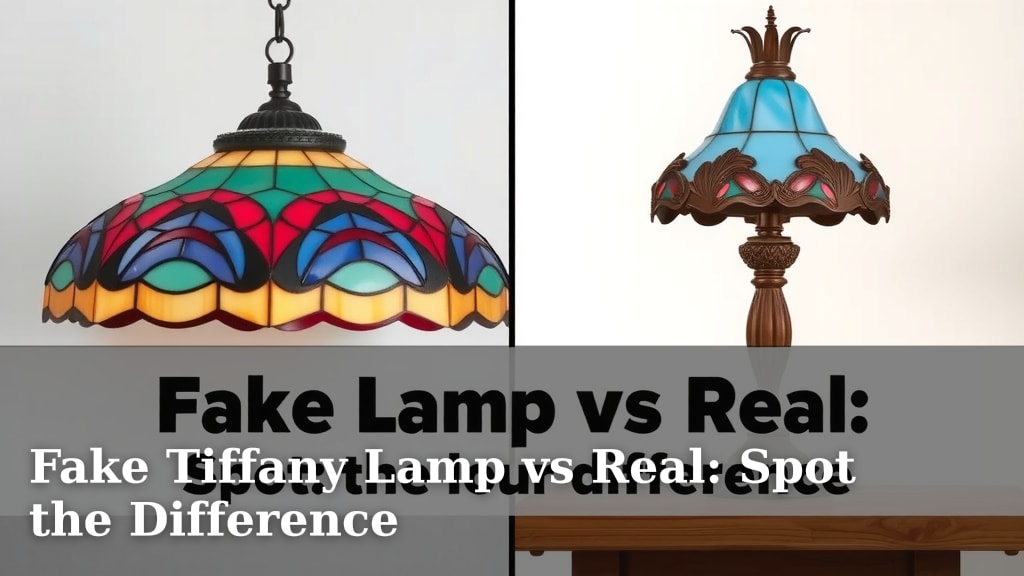
Fake Tiffany Lamp vs Real: Spot the Difference
Spotting a fake Tiffany lamp from a real one often comes down to a few key details, especially the quality of the glasswork and the presence of a proper maker’s mark. Real Tiffany lamps feature vibrant, handcrafted glass pieces that create a luminous effect, while fakes might use painted glass or plastic that looks dull. You also want to check for the distinct Tiffany Studios hallmark etched or applied to the base.
The allure of an authentic Louis Comfort Tiffany lamp is undeniable, but its authenticity is determined by meticulous craftsmanship and specific historical markers. We found that many reproductions cut corners on these essential elements, leading to a noticeable difference in both appearance and value. Understanding these differences protects you from potentially overpaying for a replica.
- Real Tiffany lamps have hand-blown, art-glass shades.
- Look for the Tiffany Studios maker’s mark.
- Authentic lamps have a substantial, often bronze base.
- Craftsmanship includes fine soldering and attention to detail.
Ready to learn how to tell them apart like a pro? Let’s walk through the tell-tale signs that distinguish a genuine Tiffany masterpiece from a convincing imitation.
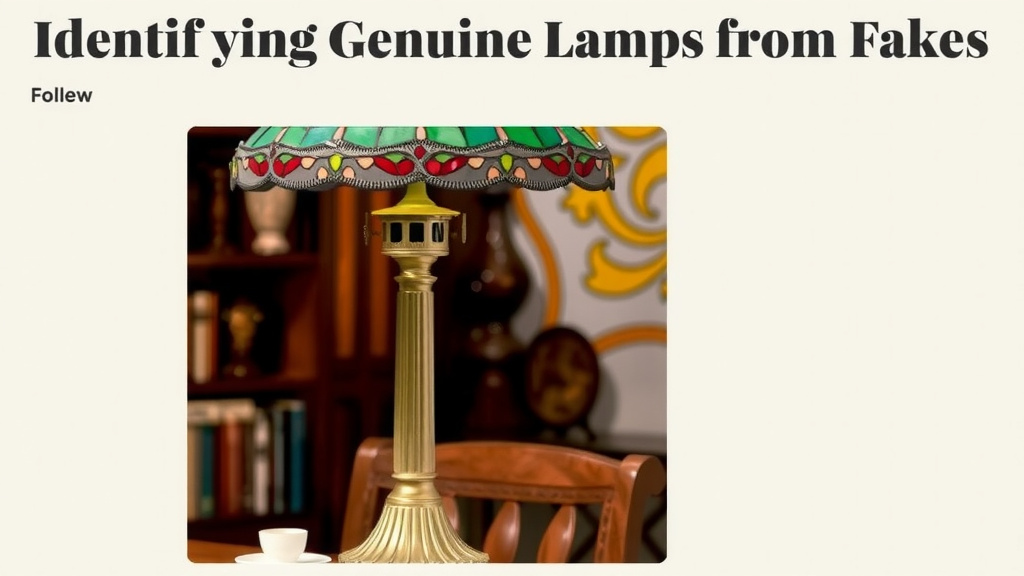
“`htmlIdentifying Genuine Tiffany Lamps from Fakes: A Closer Look
Buying a Tiffany lamp can be an investment in art. You want to be sure you’re getting the real deal. We’ve found that many people worry about accidentally purchasing a replica. Thankfully, there are clear indicators that separate authentic Tiffany Studios pieces from imitations. Let’s dive into the details you should examine.
The Artistry of the Glass: Beyond Just Color
The most striking feature of any Tiffany lamp is its shade. Authentic Tiffany glass is a work of art in itself. It’s not just about the colors, but the quality and texture.
Hand-Blown Glass vs. Painted or Faked Materials
Genuine Tiffany lamps use hand-blown art glass. Each piece is carefully selected for its unique hue and texture. The glass might have natural variations, ripples, or subtle imperfections. This is part of its charm and authenticity. Think of it like a fingerprint; no two pieces are exactly alike.
On the other hand, fake lamps often use cheaper materials. They might have glass that is painted on the surface. This paint can chip or wear off over time. Sometimes, plastic or lower-quality glass is used. You’ll notice these materials look dull or artificial. They lack the depth and luminosity of true art glass. We found that holding a real Tiffany shade up to a light source reveals a vibrant, almost glowing quality.
The Copper Foil Technique: Precision in Every Piece
Louis Comfort Tiffany perfected the copper foil technique. This method involves wrapping each small piece of glass in thin copper foil. The pieces are then carefully arranged and soldered together. This allows for incredibly detailed designs and intricate patterns.
When you examine a real Tiffany lamp, you’ll see that the solder lines are fine and consistent. They follow the contours of the glass precisely. The solder itself often has a dark patina, blending in with the design. Counterfeits might have thicker, messier solder lines. They might look rushed or poorly applied. We’ve seen some fakes where the solder looks almost blob-like, clearly lacking the delicate touch of Tiffany’s artisans.
Examining the Base: Weight, Material, and Signature
The base of a Tiffany lamp is just as important as the shade. It provides support and adds to the overall aesthetic. Authentic bases are made with quality materials and bear specific marks.
The Substantiality of Authentic Bases
Real Tiffany lamp bases are typically made from solid bronze. They are heavy and feel substantial in your hands. This weight is a good indicator of quality. The designs are often sculptural, reflecting the Art Nouveau style prevalent during Tiffany’s era. You’ll find intricate details and a smooth, often patinated finish.
Many reproductions use lighter materials. They might be made from pot metal or cast aluminum. These bases feel much lighter and less robust. The detail work might also be less refined. If a lamp base feels surprisingly light, it’s a warning sign. We found that reputable dealers often highlight the weight of the base as a key authentication point.
The All-Important Maker’s Mark: Where to Find It
This is arguably one of the most critical identifiers. Authentic Tiffany lamps will have a maker’s mark. This mark is a signature from Tiffany Studios or its successor companies. It’s usually found on the underside of the base.
Look for a stamped or cast mark that reads “Tiffany Studios,” “L.C.T. Favrile,” or similar variations. The exact mark can indicate the period of creation. Fake lamps may have no mark at all. Some might have a poorly copied or misleading mark. We advise you to carefully inspect the base, sometimes even lifting the lamp to see the underside. If there’s a mark, examine its clarity and font. Genuine marks are usually well-defined and consistent with historical examples. Many experts say that the absence of a mark is a major red flag.
| Feature | Authentic Tiffany Lamp | Fake/Reproduction Lamp |
|---|---|---|
| Glass Type | Hand-blown art glass, vibrant, textured | Painted glass, plastic, or lower-quality glass; dull, artificial |
| Soldering | Fine, precise, consistent lines; dark patina | Thick, uneven, messy solder; sometimes shiny or poorly applied |
| Color Depth | Rich, luminous colors with natural variations | Flat colors, uniform, lacks depth or glow |
| Design Detail | Intricate patterns, delicate craftsmanship | Simplified designs, less attention to detail |
The Overall Craftsmanship: Details Matter
Beyond the glass and base, the overall construction tells a story. True Tiffany lamps showcase a dedication to quality in every aspect.
Fine Soldering and Structural Integrity
As mentioned, the soldering on a real Tiffany lamp is a mark of its quality. It holds the glass pieces together securely. The structure feels solid and well-engineered. There are no gaps where glass pieces meet the metal framework improperly.
In contrast, fakes might exhibit poor craftsmanship. You might find uneven seams, loose pieces, or visible glue. The metal framework might feel flimsy. We found that experienced collectors often mention the “feel” of a lamp. A genuine piece has a certain heft and solidity that replicas often lack. It’s the difference between a piece of art and a mere imitation.
The Patina and Finish on Metal Components
The metal parts of an authentic Tiffany lamp, especially the base and hardware, often feature a beautiful patina. This is a natural oxidation that develops over time, giving the metal a rich, aged look. It’s usually a dark, brownish-green hue.
Reproductions might have a bright, shiny metal finish that looks new and artificial. Or, they might try to mimic a patina with a painted-on effect, which can look chalky or uneven. The finish on authentic pieces is smooth and deep, inviting touch. We’ve found that many genuine lamps have a subtle sheen that speaks to their age and quality.
A Quick Checklist for Spotting Authenticity
Feeling overwhelmed? Don’t worry. Here’s a quick rundown of what to look for:
- Check the Glass: Is it vibrant, textured art glass, or does it look painted/plastic?
- Examine the Solder Lines: Are they fine and precise, or thick and messy?
- Feel the Base: Is it heavy and made of bronze, or light and potentially hollow?
- Look for the Mark: Does it have a clear “Tiffany Studios” or “L.C.T.” mark on the base?
- Assess Overall Craftsmanship: Does it feel solid, well-made, and detailed?
By paying attention to these key details, you can significantly improve your ability to spot a genuine Tiffany lamp. It’s about appreciating the artistry and the historical significance that comes with these iconic pieces.
“`Conclusion
You’ve now got the tools to become a Tiffany lamp detective! We’ve seen how the magic of an authentic Tiffany lamp lies in its hand-blown art glass, precise copper foiling, substantial bronze base, and that all-important maker’s mark. Keep these details in mind, and you’ll be much better equipped to spot quality craftsmanship. Trust your eyes and your instincts. When you’re ready to make a purchase, visit a reputable dealer or auction house and ask questions about these specific features.
Frequently Asked Questions
How can I tell if the glass on a Tiffany lamp is real art glass?
Hold the shade up to a light source. Real art glass will have a luminous, deep glow with natural variations in color and texture. Painted glass or plastic will appear dull, flat, or have a uniform, artificial sheen.
Is the weight of the lamp base a reliable indicator of authenticity?
Yes, generally. Authentic Tiffany lamp bases are made of solid bronze, giving them significant weight and a substantial feel. Reproductions often use lighter materials like pot metal or aluminum, making them feel much lighter.
What if a lamp has a “Tiffany Style” label instead of a maker’s mark?
“Tiffany Style” indicates a lamp inspired by Tiffany’s designs but is not an authentic piece from Tiffany Studios. Authentic lamps will have a specific maker’s mark like “L.C.T.” or “Tiffany Studios.”
Are there any common red flags to watch out for with used Tiffany lamps?
Look out for chipped or cracked glass, loose solder lines, excessive wear on the patina, or a lack of a maker’s mark. If the lamp feels unusually light or the colors look too uniform, it’s also a warning sign.
Can a lamp be authentic if it doesn’t have a maker’s mark on the base?
It’s highly unlikely. Authentic Tiffany lamps, especially those from Tiffany Studios, almost always feature a maker’s mark, usually stamped or cast onto the underside of the base. Its absence is a major red flag for collectors.
![10 Best Budget Floor Lamps [2026]](https://bestdesklamp.com/wp-content/uploads/2026/08/10-best-budget-floor-lamps-2026-featured-768x432.jpg)