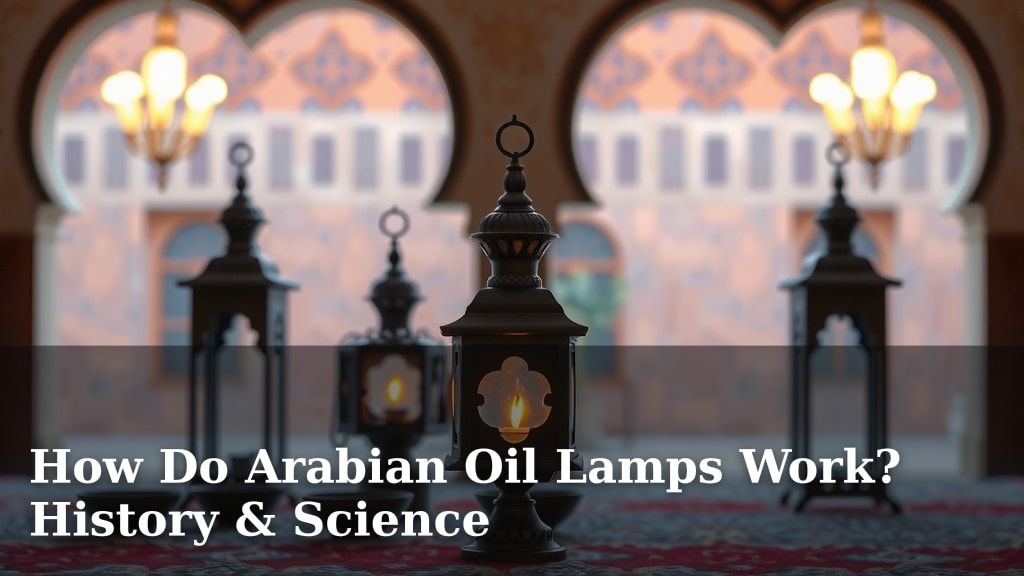
How Do Arabian Oil Lamps Work? History & Science
Arabian oil lamps work by using a simple yet effective process of **capillary action** to draw oil up to a wick. This oil then **burns cleanly**, producing light. It’s a fascinating blend of science and history that powered homes for centuries.
These lamps, also known as Aladdin lamps or genie lamps, are more than just pretty objects. They represent a smart design that solved a common problem: creating usable light without smoke. Their history is tied to ancient trade routes and the ingenuity of early engineers.
- Arabian oil lamps use capillary action.
- Oil is drawn up to a wick for burning.
- They provided a cleaner light source.
- Their design is ancient and clever.
- They have a rich history.
Ready to learn more about how these iconic lamps function and their journey through time? Let’s walk through the science and history step by step.
Understanding How Ancient Arabian Oil Lamps Light Your Way
Arabian oil lamps are a marvel of simple engineering. They transform oil into steady light. This process relies on a few key scientific principles. You’re probably familiar with the basic idea. But let’s look closer at the mechanics.
The Science of Capillary Action
The heart of any Arabian oil lamp is capillary action. This is the magic that pulls liquid upward. It happens in narrow spaces. Think about a plant’s roots drawing water. Or a paper towel soaking up a spill. The oil in the lamp acts much the same way.
How Capillary Action Works in the Lamp
A wick, usually made of cotton or linen, is placed in the lamp. One end sits in the oil reservoir. The other end sticks out, ready to burn. The tiny fibers of the wick create narrow passages. These passages are perfect for capillary action to begin. The oil molecules are attracted to the wick fibers. They also stick to each other. This adhesion and cohesion pull the oil up. It moves against gravity all the way to the top of the wick. This action is constant as long as there’s oil.
The Role of the Wick
The wick itself is crucial. It needs to be absorbent but not too dense. Too dense, and it might clog. Too loose, and it won’t draw enough oil. The materials used were often natural fibers. These were readily available and worked well. The length of the wick is also important. It needs to reach the oil. It also needs to extend just enough to provide a good flame. Trimming the wick was a common ritual for users.
Fueling the Flame: The Right Oil
What kind of oil powers these lamps? It’s not just any cooking oil. For centuries, people used animal fats. They also used plant-based oils. Think of olive oil or sesame oil. The key was a fuel that burned cleanly. It needed to be relatively stable. Some oils produced a lot of smoke. Others could be too volatile. Finding the right fuel was part of the lamp’s success.
Choosing the Best Fuel for Your Lamp
In historical contexts, people experimented. They learned which oils worked best. Olive oil was a common choice in Mediterranean regions. Whale oil became popular later for its brightness. For modern replicas, lamp oil is readily available. It’s designed to burn cleanly and safely. Always check the type of fuel recommended for your specific lamp. Using the wrong fuel can cause poor burning. It might also create excess smoke or soot.
Combustion and Light Production
Once the oil reaches the top of the wick, it vaporizes. The heat from the wick turns the liquid oil into a gas. This oil vapor then mixes with the oxygen in the air. When this mixture is heated sufficiently, it ignites. Combustion occurs. The burning vapor releases energy. This energy is seen as light and heat. The steady supply of oil from capillary action keeps the flame going. It’s a controlled burn, not a runaway fire.
A Journey Through Time: The History of Arabian Oil Lamps
These lamps aren’t just historical artifacts. They represent a significant technological advancement. They brought light to homes and businesses. Their origins stretch back thousands of years. They played a vital role in ancient civilizations.
Ancient Origins and Evolution
The earliest forms of oil lamps were simple. They used a shallow dish. A wick would float in oil. These date back to at least 10,000 BC. Over time, designs evolved. Pottery lamps became common. They had reservoirs to hold more oil. This meant they could burn longer. They also had spouts for the wick.
Early Mesopotamian and Egyptian Lamps
Research suggests early oil lamps were used in Mesopotamia. They appeared in ancient Egypt as well. These early lamps were often made from unbaked clay. They used animal fats or vegetable oils as fuel. Their main purpose was to provide a basic light source.
The Rise of the Arabian Lamp Design
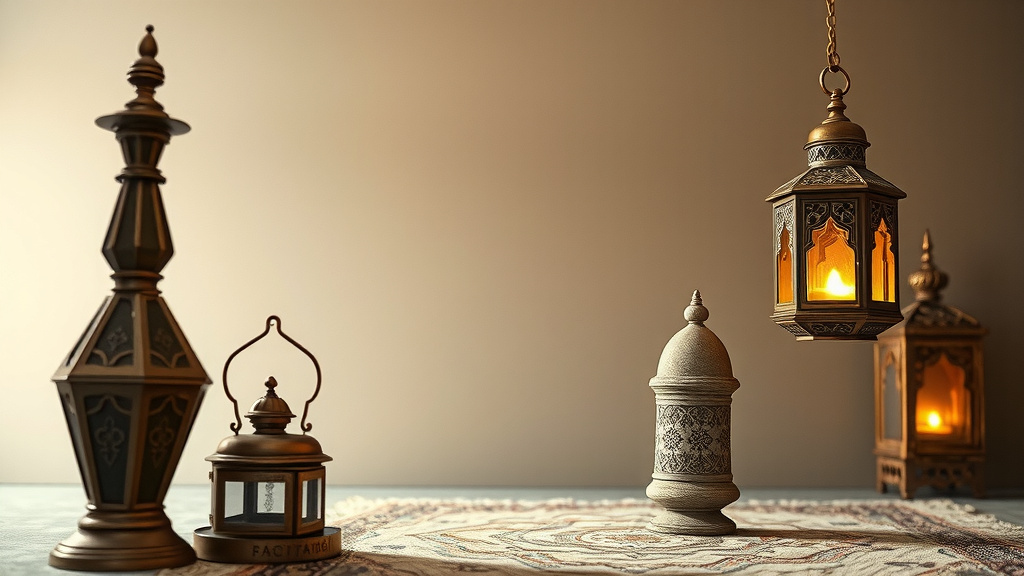
The design we often think of as “Arabian” or “Aladdin” lamp emerged later. It developed over centuries. These lamps often featured a distinctive shape. They typically had a round reservoir. They also had a long, elegant spout. This spout held the wick securely. Many also had a handle for carrying. This design offered several advantages. It was more stable than earlier lamps. It reduced spills and smoke.
Spread Through Trade and Culture
Arabian oil lamps spread far and wide. They traveled along ancient trade routes. Merchants and travelers carried them. They were prized for their efficiency. The lamps became symbols of culture and innovation. They influenced lamp designs in many regions. From the Middle East to Europe and Asia, their impact was felt.
The “Aladdin” Connection
The popular association with “Aladdin” comes from later stories. The tales of “One Thousand and One Nights” (Arabian Nights) were translated. They captured the imagination of the West. While the stories themselves are fictional, they cemented the image of the magical lamp. This helped make these lamps iconic. They represent a past filled with wonder.
Why They Mattered Then (And Now)
These lamps were revolutionary. They provided reliable light. This allowed people to work and socialize after dark. It extended the productive day. It made reading and studying possible. They illuminated homes, mosques, and businesses. Even with modern electricity, these lamps hold a special place. They connect us to history. They remind us of human ingenuity.
Checklist for Understanding Arabian Oil Lamps:
- The lamp uses capillary action to draw oil.
- The wick is key to this process.
- Specific types of oil were best for burning.
- Combustion turns oil vapor into light.
- Designs evolved over thousands of years.
- Trade routes helped spread their use globally.
Conclusion
You’ve learned how the simple science of capillary action makes Arabian oil lamps work. They’ve lit up history for centuries, evolving from basic dishes to elegant designs. These lamps were a smart solution for clean light. They powered homes and extended productive hours. Understanding their history connects you to ancient ingenuity. Consider exploring replica lamps to experience this history firsthand. You can bring a piece of this tradition into your own space.
Frequently Asked Questions
What kind of fuel did people historically use in Arabian oil lamps?
Historically, people used readily available natural oils and fats. This included things like olive oil, sesame oil, and animal fats. The goal was to find a fuel that burned without excessive smoke. Modern replicas often recommend specific lamp oils for safety and performance.
How does the wick affect the lamp’s performance?
The wick is vital for drawing the oil up to the flame through capillary action. Its material and density are important. A good wick absorbs oil efficiently. It also needs to burn down slowly. Trimming the wick was a common practice to maintain a steady flame and minimize smoke.
Are “Aladdin lamps” the same as traditional Arabian oil lamps?
The term “Aladdin lamp” often refers to the iconic shape associated with tales from “One Thousand and One Nights.” While these stories helped popularize the image, the actual design of Arabian oil lamps evolved over centuries. Many lamps share the basic principles of oil reservoirs and wicks, regardless of their specific historical origin or aesthetic.
Can I use regular cooking oil in a replica Arabian oil lamp?
It’s generally not recommended to use standard cooking oils. They can produce a lot of soot and smoke, and may not burn cleanly. Specially formulated lamp oils are designed for safer and cleaner burning. Always check the instructions for your specific replica lamp.
Why were Arabian oil lamps considered an improvement over earlier lighting methods?
Arabian oil lamps provided a more consistent and cleaner light source compared to earlier methods. Their contained design reduced spills and smoke. The capillary action ensured a steady fuel supply to the wick. This allowed for longer periods of reliable illumination, which was a major advancement for daily life and work.
![10 Best Bedside Table Lamps For Reading [2026]](https://bestdesklamp.com/wp-content/uploads/2026/08/10-best-bedside-table-lamps-for-reading-2026-featured-768x432.jpg)
![10 Best Budget Grow Lamps [2026]](https://bestdesklamp.com/wp-content/uploads/2026/08/10-best-budget-grow-lamps-2026-featured-768x432.jpg)