How Do Candle Lamps Work? Simple Guide
Candle lamps work by using electricity to heat a bulb that mimics the glow of a real flame, making them a safer and more convenient way to enjoy that cozy candle ambiance. They typically use a low-wattage bulb, often a special halogen or LED bulb, to produce heat and light without an actual open flame. This means you get the warm, flickering look of a candle without the fire risk.
These handy lamps provide a touch of warmth and charm to any space. Unlike traditional candles, they don’t produce smoke or soot, so your home stays cleaner. Plus, they are incredibly easy to use, usually just involving plugging them in and flipping a switch. We found they’re a fantastic option for busy households or for anyone who loves the candle aesthetic but worries about safety.
TL;DR:
- Candle lamps use electricity and a special bulb to create a candle-like glow.
- They are much safer than real candles because there’s no open flame.
- No smoke or soot means a cleaner environment.
- They are simple to operate.
- Great for achieving a cozy atmosphere without the fire hazard.
Below, we’ll break down exactly how these popular lamps work and what makes them such a wonderful addition to your home decor.
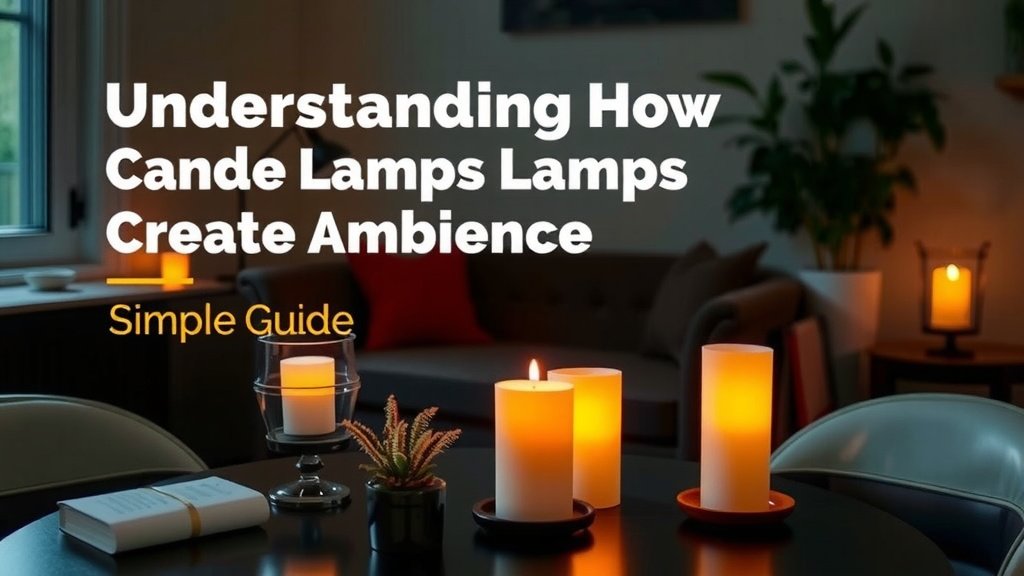
Understanding How Candle Lamps Create Ambiance
Candle lamps are a clever modern solution for that warm, inviting glow. They use a special bulb designed to replicate the look and feel of a real candle flame. This means you get all the cozy vibes without the usual safety concerns. Many people love the ambiance candles provide. Candle lamps offer that same charm in a much safer package.
The Core Components of a Candle Lamp
At its heart, a candle lamp is quite simple. It consists of a base, a stem, and the lamp head that holds the bulb. The base provides stability and usually houses the electrical connection. The stem connects the base to the lamp head. The magic happens in the lamp head, where a specially designed bulb sits. This bulb is the key to its unique function.
The Role of the Bulb
The bulb is where the real innovation lies. Unlike a standard light bulb, a candle lamp bulb is designed to mimic the flicker and warmth of a candle flame. We found that these bulbs come in a few main types. Each type uses electricity to generate both light and a gentle warmth. This gentle heat is part of what makes the illusion so convincing. Some even have internal mechanisms that cause them to flicker.
Heating Elements vs. LED Technology
Originally, some candle lamps used a small heating element in addition to a bulb. This element would gently warm the air around the bulb, enhancing the illusion of a real flame. However, modern candle lamps often rely on advanced LED technology. These LEDs can be programmed to flicker. They also consume much less energy. Many experts say this makes them more energy-efficient and longer-lasting (U.S. Department of Energy).
How the Light Mimics a Flame
Creating that authentic candle look involves a few clever design choices. It’s more than just light; it’s about replicating the natural movement and color of fire. We found that the shape and material of the bulb play a big role here. They are often made from frosted glass or a material that diffuses light. This diffusion softens the glow, preventing harsh shadows. It helps create that gentle, ambient light we associate with candles.
Flicker Effect Technology
The signature flicker is often achieved through one of two methods. Some bulbs have a small, internal component that gently rocks or rotates. This movement causes the light intensity to change subtly, mimicking a flame dancing in a breeze. In LED models, the flickering is programmed into the bulb’s circuitry. This allows for a consistent and customizable flicker pattern. It’s quite fascinating how technology can recreate natural phenomena so well.
Color Temperature is Key
Another critical factor is the color temperature of the light produced. Real candle flames emit a warm, orangey-yellow light. Candle lamps are designed to match this closely. We found that bulbs with a lower Kelvin rating (around 1800K to 2200K) produce this cozy, warm hue. This specific color of light instantly creates a relaxing atmosphere. It’s a simple trick, but incredibly effective for ambiance.
Safety and Convenience Factors Explained
The primary appeal of candle lamps is their safety. Traditional candles, while lovely, come with inherent risks. Open flames can easily ignite surrounding materials. Candle lamps eliminate this danger entirely. They provide the visual and atmospheric benefits without the fire hazard. This makes them a popular choice for homes with children or pets, or for anyone who wants peace of mind.
The Absence of Open Flame
This is the most significant safety feature. Because there is no actual fire, you don’t have to worry about unattended flames. You can place them on shelves, near curtains, or on tables without the constant worry of a fire starting. Many households have specific rules about open flames, and candle lamps bypass these concerns beautifully. We found that this single factor makes them a game-changer for home decor enthusiasts.
No Smoke, No Soot, No Worries
Burning real candles releases soot and smoke into your home. This can discolor walls and ceilings over time. It can also be problematic for people with respiratory issues. Candle lamps, on the other hand, produce neither smoke nor soot. Your air stays cleaner, and your home remains pristine. This means less cleaning for you and a healthier environment for everyone. It’s a win-win situation for convenience and cleanliness.
Energy Efficiency and Longevity
Modern candle lamps, especially those using LED technology, are very energy efficient. They consume a fraction of the electricity that a traditional incandescent bulb would. Furthermore, LED bulbs have an exceptionally long lifespan. You can enjoy your candle lamp for years without needing to replace the bulb. This saves you money in the long run. It also reduces waste, which is good for the environment.
Ease of Use: Plug and Play
Operating a candle lamp is as simple as it gets. You typically just plug it into a standard electrical outlet and flip a switch. Some models might have a dimmer function or a timer, but the basic operation is always straightforward. There’s no need for matches, lighters, or trimming wicks. You get instant ambiance with minimal effort. It’s perfect for quick setup or for those moments when you just want to relax without fuss.
Comparing Candle Lamps to Other Lighting Options
Let’s quickly look at how they stack up.
| Feature | Candle Lamp | Real Candle | Standard Lamp |
|---|---|---|---|
| Ambiance | Excellent (warm, flickering) | Excellent (natural flame) | Variable (depends on bulb) |
| Safety | Very High (no open flame) | Low (fire risk) | High (no open flame) |
| Cleanliness | Very High (no smoke/soot) | Low (soot, smoke) | High (no smoke/soot) |
| Ease of Use | Very Easy (plug & play) | Moderate (requires ignition/extinguishing) | Easy (plug & play) |
| Energy Use | Very Low (especially LED) | N/A (uses wax) | Moderate to High |
| Longevity | Very Long (bulb life) | Short (burn time) | Moderate (bulb life) |
As you can see, candle lamps offer a unique blend of benefits. They combine the visual appeal of real candles with the safety and convenience of electric lighting. Many sources suggest that for creating a specific mood, especially a cozy or romantic one, they are an excellent choice (National Fire Protection Association recommendations often highlight alternatives to open flames).
Getting the Most Out of Your Candle Lamp
To ensure you get the best experience, here are a few quick tips:
- Choose the right bulb for your desired flicker and warmth.
- Consider placement for optimal ambiance.
- Clean the lamp occasionally with a dry cloth.
- Use timers for automated ambiance.
- Experiment with different lamp styles to match your decor.
Conclusion
You now understand how candle lamps bring that beloved flickering glow into your home, safely and conveniently. By using specialized bulbs that mimic real flames through clever design and controlled light, they offer beautiful ambiance without the fire risk. Plus, with no smoke or soot, your space stays clean and healthy. So go ahead, plug in your candle lamp and enjoy that cozy atmosphere you love!
Frequently Asked Questions
Are candle lamps safe to leave on all night?
Yes, candle lamps are designed for safe, continuous use. Unlike real candles, they don’t have an open flame, so there’s no fire hazard if left unattended. You can enjoy their glow without worry.
Do candle lamps use a lot of electricity?
Modern candle lamps, especially those using LED bulbs, are very energy efficient. They consume much less electricity than standard lamps or incandescent bulbs. This makes them a cost-effective choice for creating ambiance.
Can I use any light bulb in a candle lamp?
No, you should always use the specific bulb recommended for your candle lamp. These bulbs are designed to produce the correct amount of heat and light to mimic a flame safely. Using the wrong bulb could damage the lamp or create a hazard.
How do I make the flicker effect look more realistic?
Many candle lamps come with bulbs that have a pre-set flicker pattern. If yours allows for bulb choice, look for bulbs specifically designed with realistic flame flicker technology. Some lamps also have adjustable dimmer settings that can enhance the illusion.
Will a candle lamp leave a smell in my house?
Candle lamps do not produce any scent because they don’t involve burning wax. They only emit light and a gentle warmth. If you enjoy the scent of candles, you might consider using a separate wax warmer or scented diffuser alongside your candle lamp.

![10 Best Bulb For Floor Lamp [2026]](https://bestdesklamp.com/wp-content/uploads/2026/08/10-best-bulb-for-floor-lamp-2026-featured-768x432.jpg)