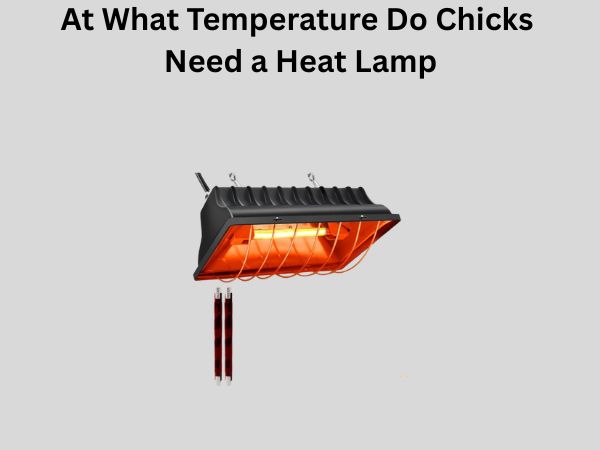
At What Temperature Do Chicks Need a Heat Lamp? Complete Chart and Guide
When you’re raising baby chicks for the first time, one of the most critical decisions you’ll make is figuring out the right temperature for their brooder setup. I remember when I first brought home my chicks, I was genuinely confused about whether I was keeping them too warm or too cold. The stakes felt high because getting this wrong could literally mean life or death for these tiny creatures. That’s why I’ve put together this comprehensive guide to help you navigate the sometimes confusing world of chick temperature management.
Why Temperature Control Is Absolutely Essential for Your Chicks
Let me be honest with you—temperature is the single most important environmental factor for raising healthy chicks. These little birds are basically tiny feathered potatoes that can’t regulate their body temperature on their own when they’re first born. Unlike adult chickens that can fluff their feathers and huddle together, newborn chicks depend entirely on an external heat source to survive.
Think of it this way: if you suddenly found yourself in a freezing room without a jacket, you wouldn’t just stand there and tough it out. You’d feel miserable, your body would shut down non-essential functions, and you’d eventually face serious health consequences. Chicks experience the exact same thing. Without proper heat, their digestive systems slow down, they become lethargic, and they’re far more susceptible to disease and infection.
On the flip side, overheating your chicks creates its own set of problems. Chicks that are too hot will become stressed, stop eating properly, and develop behavioral issues. Getting the temperature just right is like finding the Goldilocks zone—not too hot, not too cold, but just right.
The Complete Week-by-Week Temperature Chart for Growing Chicks
Here’s the temperature guide that I personally use and recommend to anyone raising chicks. This chart represents the temperature at the warmest spot under the heat lamp, which is where your chicks will congregate when they need warmth.
Week One: Starting Strong at 95 Degrees
Your first week is critical. Newborn chicks fresh from the hatchery need their brooder maintained at a toasty 95 degrees Fahrenheit directly under the heat lamp. This might seem scorching hot to us, but remember, these chicks have just come from an incubator that was kept at around 99.5 degrees. A slight drop to 95 degrees is actually a bit of a shock to their system, but it’s necessary and appropriate for their development.
Week Two: Reduce to 90 Degrees
As your chicks grow and develop their feathers, they become slightly more capable of generating their own body heat. By the second week, you’ll want to reduce the temperature to 90 degrees Fahrenheit. You might notice your chicks are growing noticeably, and their feathers are coming in more densely. This is exactly when they can handle a modest temperature reduction.
Week Three: Lower to 85 Degrees
Week three is when you’ll see dramatic growth. Your chicks are probably three times the size they were when they arrived. They’re moving around more actively, and their feather coverage is becoming quite substantial. Reduce the temperature to 85 degrees Fahrenheit. At this point, you might notice the chicks spending less time directly under the lamp and more time exploring the edges of their brooder.
Week Four: Decrease to 80 Degrees
By week four, your chicks are looking more like actual chickens and less like fuzzy yellow marshmallows. They’re probably doubling down on their food consumption and spending more time away from the heat source. Set your heat lamp to maintain 80 degrees Fahrenheit in the warmest zone of the brooder.
Week Five: Reduce to 75 Degrees
At five weeks old, your chicks have most of their adult feathers coming in, and they’re spending more time socializing with each other than huddling under heat. Adjust your setup to maintain 75 degrees Fahrenheit under the lamp. This is when you might start noticing they look like teenagers—awkward and growing rapidly in weird proportions.
Week Six and Beyond: Getting Close to Room Temperature
By week six, chicks are nearly fully feathered and can handle temperatures around 70 degrees Fahrenheit or even lower. If you’re raising chicks through the warmer months, you might even be able to start removing the heat lamp during the day and only using it at night.
How to Set Up Your Heat Lamp for Success
Having the right temperature target doesn’t mean anything if you don’t know how to actually achieve it. Let me walk you through the practical setup process.
Choosing the Right Heat Lamp
Not all heat lamps are created equal. You’ve got a few options here. Red heat lamps are probably the most popular choice for chicken keepers because the red light seems less stressful for the chicks than clear or white light. Some people swear by ceramic heat emitters, which produce heat without light. Honestly, I’ve had success with both, but red heat lamps are usually the most affordable and easiest to find at your local feed store.
For a small brooder with up to 25 chicks, a 250-watt heat lamp is typically sufficient. If you’re raising a larger batch, you might need a 500-watt lamp or even multiple lamps.
Positioning Your Heat Lamp Correctly
This is where a lot of beginners go wrong. You want to position your heat lamp so that it creates a warm zone on one side of the brooder, leaving a cooler zone on the other side. This gives chicks the freedom to move toward or away from heat based on their comfort level. Position the lamp about 12 to 18 inches above the floor initially, then adjust based on the actual temperature you’re reading.
Using a Reliable Thermometer
Don’t eyeball this. Get yourself a decent thermometer. I recommend having at least two thermometers in your brooder—one under the heat lamp to check the warm zone temperature, and one away from the lamp to check the ambient temperature. Digital thermometers are great, but even a basic dial thermometer works fine. Check the temperature multiple times daily for the first week, especially if you’re new to this.
Recognizing When Your Chicks Are Too Cold
Cold chicks send out pretty obvious signals, and once you know what to look for, they’re impossible to miss.
- Constant chirping: Your chicks will chirp loudly and persistently if they’re cold. It’s like they’re saying, “Hey, I’m freezing here!”
- Huddling together: Instead of being spread throughout the brooder, all chicks will cluster directly under the heat lamp in a tight group.
- Lack of appetite: Cold chicks won’t eat well because their bodies are focused on generating heat rather than digestion.
- Lethargy: They’ll move slowly and seem generally uninterested in exploring or playing.
- Pasty butt: This is when droppings stick to their rear end. While it can have multiple causes, cold stress makes it more likely.
If you notice these signs, raise your heat lamp slightly to increase temperature. Even a 2 to 3 degree increase can make a dramatic difference in chick behavior and comfort.
Identifying When Your Chicks Are Too Hot
Overheated chicks exhibit a completely different set of behaviors, and these are equally important to recognize.
- Staying away from the heat lamp: Instead of gathering under the lamp, hot chicks will congregate in the corners of the brooder farthest from the heat source.
- Panting: They’ll hold their beaks open slightly and breathe heavily, just like a dog on a hot day.
- Reduced eating and drinking: Hot chicks still won’t eat well, though for different reasons than cold chicks. They’re too uncomfortable to focus on food.
- Droopy appearance: They’ll look exhausted and stressed, with their feathers slightly ruffled.
- Poor growth: Heat stress can actually stunt growth, so you might notice your chicks aren’t developing as quickly as expected.
If you see these signs, your heat lamp is too close or too powerful. Lower the lamp by an inch or two, or switch to a lower wattage bulb.
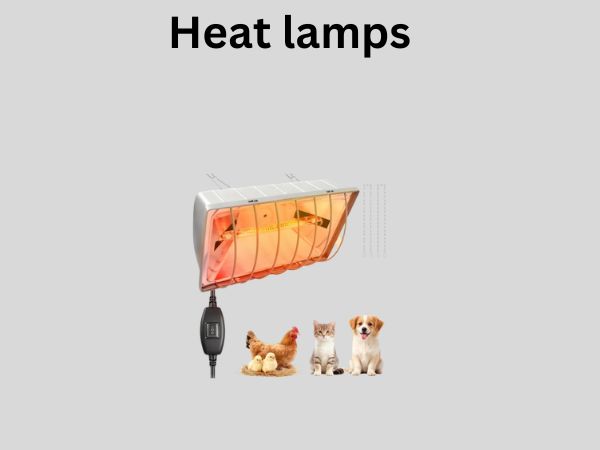
Different Types of Heat Sources Beyond Traditional Lamps
While heat lamps are the traditional choice, there are other options worth considering, depending on your situation.
Ceramic Heat Emitters
These devices produce heat without light, which some people prefer because it doesn’t disrupt the chicks’ natural sleep-wake cycle. They work well for small brooders but can be pricier than traditional heat lamps. They also require a special fixture designed for high-heat bulbs.
Radiant Heat Panels
These newer heating options are becoming more popular with serious chicken keepers. They distribute heat more evenly across the brooder and tend to produce less stress in chicks. However, they’re significantly more expensive than heat lamps.
Heat Tape Systems
Some people use specialized heat tape that wraps around the brooder to maintain ambient temperature. This is most useful if you’re raising chicks in very cold climates.
Brooder Plates
These are flat heating surfaces that chicks can move under, mimicking the way a hen would brood her chicks. They’re gentler on the chicks and less drying to the air in the brooder, but they’re also less conventional and harder to find.
How to Monitor and Adjust Temperature Like a Pro
Successful temperature management isn’t a set-it-and-forget-it situation. You’ll need to actively monitor and adjust as your chicks grow and as environmental conditions change.
Daily Temperature Checks
During the first week especially, I recommend checking temperature at least three times daily—morning, afternoon, and evening. This helps you catch any issues quickly. After the first week, you can probably reduce this to twice daily.
Adjusting Based on Chick Behavior
Remember, chicks are your best thermometer. If they’re acting comfortable and spread throughout the brooder, your temperature is probably just right. If they’re all clustered or all running away from heat, it’s time to adjust.
Accounting for Seasonal Changes
If you’re raising chicks in summer versus winter, the ambient room temperature will be different. You might not need your heat lamp at full power in July, but you’ll definitely need it in January. Adjust accordingly.
Raising the Lamp Gradually
As your chicks grow, you’ll be raising the heat lamp progressively. Rather than making huge jumps, raise it about half an inch every few days and monitor the chicks’ response. This gradual approach prevents shocking their systems.
Critical Safety Considerations for Heat Lamps
Heat lamps are wonderful tools, but they come with real safety risks if not used properly. I’ve heard too many stories of brooder fires, and I want to make sure you don’t become one of those statistics.
Fire Prevention Measures
Always keep your heat lamp away from bedding, food containers, and any combustible materials. Mount the lamp securely so it can’t fall into the brooder. Inspect the bulb regularly for cracks or damage. Never leave your brooder unattended for extended periods, especially during the critical first weeks.
Using Proper Fixtures
Not just any lamp fixture will do for a heat lamp. You need a heavy-duty brooder lamp specifically designed for the heat output. Cheap desk lamps or extension cords will overheat and potentially start fires. Spend a few extra dollars on the right equipment.
Ensuring Proper Ventilation
Your brooder needs adequate ventilation. Heat lamps can create moisture buildup and ammonia from droppings, which is harmful to chick respiratory systems. Make sure air can circulate without creating drafts directly on the chicks.
Electrical Safety
Keep electrical cords away from moisture and water sources. Use a GFCI outlet if your brooder is in a damp location. Check cords regularly for damage or wear.
Transitioning Your Chicks Away from Heat
Eventually, your chicks won’t need supplemental heat anymore. This transition should be gradual to avoid shocking their systems.
The Gradual Reduction Method
Instead of just unplugging the heat lamp one day, gradually reduce its power. You can do this by raising the lamp higher, using a lower wattage bulb, or running the lamp for shorter periods during the day. If you’re raising chicks in warmer weather, you might stop using the lamp during the day but keep it running at night.
Reading Your Chicks’ Readiness
By week six or seven, if your chicks have full feather coverage and the ambient temperature in your brooder stays around 70 degrees without supplemental heat, you’re probably ready to go heat-lamp-free. However, if you’re raising chicks in winter, you might need heat much longer.
Watch for Signs of Cold After Removal
After you’ve removed the heat lamp, keep a close eye on your chicks for a few days. If you notice them huddling excessively or acting stressed, you might have removed heat too early. No shame in putting the lamp back on and trying again in a few days.
Common Temperature Management Mistakes to Avoid
I’ve made these mistakes myself, and I’ve seen countless other chicken keepers repeat them. Learning from these errors can save you some real heartache.
Mistake One: Not Having a Thermometer
I can’t stress this enough. You cannot rely on guessing or feeling the air temperature. Get a thermometer. Period.
Mistake Two: Using the Wrong Type of Heat Source
A regular light bulb is not a heat lamp. A space heater is not appropriate for a brooder. Using the wrong equipment either won’t provide enough heat or will create dangerous fire hazards.
Mistake Three: Ignoring Chick Behavior
Your chicks are constantly telling you whether they’re comfortable. Learn to read their signals and respond accordingly rather than rigidly following a chart.
Mistake Four: Not Adjusting for Your Specific Conditions
The temperature chart I provide