At What Temperature Do My Chickens Need a Heat Lamp? A Complete Guide for Backyard Chicken Keepers
If you’re raising chickens, especially during the colder months, one question probably keeps you up at night: at what temperature do my chickens actually need a heat lamp? It’s a question I asked myself when I first started my backyard flock, and honestly, there’s more nuance to it than you might think. Let me walk you through everything you need to know to keep your feathered friends comfortable and healthy.
Understanding Your Chickens’ Temperature Comfort Zone
Here’s the thing about chickens—they’re actually tougher than most people realize. Unlike what many beginners think, chickens don’t necessarily need a heat lamp the moment the temperature drops below 70 degrees. Think of it like this: you wear a light jacket at 60 degrees, but you don’t need a heavy winter coat, right? Chickens have the same graduated comfort levels.
Chickens have an incredible built-in temperature regulation system. Their feathers act like a down comforter, providing insulation that’s honestly remarkable. Adult chickens can tolerate temperatures well below freezing without any problems, as long as they have proper housing and ventilation. The key is understanding what “proper” really means.
The Critical Temperature Range for Adult Chickens
Most adult chickens feel comfortable in temperatures ranging from about 55 to 75 degrees Fahrenheit. Within this range, they’re happy, productive, and don’t require supplemental heat. Your hens will lay eggs consistently, eat normally, and display typical chicken behavior. When temperatures drop below 45 degrees Fahrenheit is typically when you should start seriously considering heat support for most adult chicken breeds.
But here’s where it gets interesting: the temperature at which your chickens actually suffer from cold depends on several factors that we’ll explore in detail.
Factors That Influence Heat Lamp Necessity
Before you rush out to buy a heat lamp, you need to understand what really determines whether your chickens need one. It’s not just about the thermometer reading on your wall.
Chicken Breed Matters More Than You’d Think
Different breeds have vastly different cold tolerance levels. If you’re raising cold-hardy breeds like Wyandottes, Orpingtons, or Cochins, they’re basically wearing nature’s parka. These breeds have dense feathering and were literally bred to handle harsh winters. They can comfortably survive temperatures dropping into the negative digits without supplemental heat.
On the flip side, lighter breeds like Leghorns or Mediterranean breeds don’t have the same insulation. They’re more suited to moderate climates and will appreciate a heat lamp when temperatures plummet. Bantams, which are smaller, lose body heat faster due to their lower body mass, so they might need heat support at temperatures where larger breeds wouldn’t.
Housing Quality Is Absolutely Crucial
You could have the hardiest breed in existence, but if your coop has gaps, drafts, or poor insulation, you’re asking for trouble. A well-built coop with proper insulation can make the difference between needing a heat lamp and not needing one at all.
What constitutes a good coop? We’re talking about:
- Solid walls without large gaps or cracks
- Adequate but controlled ventilation near the roof
- Deep litter bedding (at least 4-6 inches) that provides natural warmth through decomposition
- Proper drainage to keep moisture from accumulating
- Roosting bars high enough that chickens can huddle together
- Windows that can be opened or closed depending on the season
Think about your own home—you can keep your house warm even in winter by insulating properly and sealing drafts. The same principle applies to your chicken coop.
Age of Your Chickens Demands Different Considerations
Now we’re getting into the real heat lamp territory. Chicks fresh from the hatchery are completely different animals from your adult hens. Baby chicks haven’t developed their adult feathers yet, and they can’t regulate their body temperature on their own. This is where heat lamps become absolutely essential.
If you’re raising chicks from day old, you’ll need to maintain a brooder temperature of about 95 degrees Fahrenheit for the first week. Yes, you read that right—95 degrees. Every week after that, you gradually reduce the temperature by about 5 degrees until the chicks are around 8-10 weeks old and fully feathered. At that point, they can usually be transitioned to a coop without supplemental heat, assuming your climate isn’t brutally cold.
When Your Adult Chickens Definitely Need Heat Lamps
Let me be clear about something: there are definite situations where even cold-hardy adult chickens need heat lamp support. This isn’t about coddling them unnecessarily; it’s about preventing real health problems.
Extreme Cold Conditions
When your area experiences sustained temperatures below zero Fahrenheit, or wind chills that make your eyelashes freeze in seconds, you should be thinking about supplemental heat. At these temperatures, frostbite becomes a real concern, especially on the combs, wattles, and feet of your chickens. I’ve seen photos of chickens with severe frostbite, and it’s honestly heartbreaking. Prevention is infinitely better than treatment.
Wet Conditions During Cold Weather
Here’s a scenario many people don’t think about: what happens when you get freezing rain or snow that melts and refreezes? Wet feathers lose their insulating properties dramatically. It’s like wearing a down jacket that’s been soaked in water—it becomes useless for keeping you warm. If your chickens are wet during cold weather, a heat lamp can be genuinely life-saving.
Molting During Winter Months
Chickens molt, usually in the fall, and during this process, they temporarily lose their insulating feathers. If your chickens are molting while winter temperatures are dropping, they’re vulnerable. A heat lamp during this period can help them stay comfortable while they regrow their feathers.
Health Issues or Age-Related Concerns
An older chicken or one recovering from illness might not regulate body temperature as effectively as a healthy bird in their prime. Similarly, broody hens sitting on eggs might need heat support if conditions are particularly harsh. Pay attention to individual bird behavior—if a chicken is huddled constantly and not eating, that’s a sign they’re struggling with the temperature.
The Specifics of Temperature Management for Different Scenarios
Temperature Guidelines for Chicks in the Brooder
Let’s create a simple reference guide for brooding chicks because this is where precision matters:
- Week 1: 95°F
- Week 2: 90°F
- Week 3: 85°F
- Week 4: 80°F
- Week 5: 75°F
- Week 6-8: 70°F or lower, depending on the chicks’ behavior
The beautiful thing about chicks is they’ll tell you what temperature they need. If they’re huddled directly under the heat lamp, they’re cold. If they’re spread out far away from it, they’re too warm. The sweet spot is when they’re distributed naturally around the brooder, some near the heat, some farther away, all comfortable.
Temperature Considerations for Pullets Transitioning Outdoors
Pullets—young chickens between chick and adult—are in an interesting in-between stage. By about 8 weeks old, they should be fully feathered and ready to move outside, but the outdoor temperature matters. If it’s mid-summer, no problem. If it’s approaching winter and you’re in a cold climate, you might need to provide some heat in their transition coop until they’re closer to point-of-lay age (around 16-20 weeks).
Creating the Right Coop Setup to Minimize Heat Lamp Dependency
Here’s my philosophy: before buying a heat lamp, ask yourself if you can set up your coop better to naturally maintain warmth. Often, the answer is yes.
Deep Litter Method Benefits
The deep litter method is like nature’s heating system for your coop. You start with about 4-6 inches of bedding material—pine shavings, straw, leaves, whatever you have—and you keep adding to it throughout the winter. The bedding decomposes, and that decomposition creates heat. It’s genuinely warm to the touch if you put your hand into it. Your chickens instinctively scratch around in this material, which keeps it active and warm-generating. I’ve measured coop temperatures with a deep litter system and been amazed at how much warmer it stays naturally.
Proper Ventilation Without Drafts
This is the balance many people struggle with. You need ventilation because chickens produce moisture from breathing and their droppings. Too much moisture leads to respiratory problems. But you don’t want cold drafts hitting your roosting chickens at night. The solution is high-placement vents (near the roof) that allow moisture to escape without creating floor-level drafts. Windows can be partially or fully opened during milder days and closed on the coldest nights.
Roosting Density and Behavior
Chickens huddle together for warmth at night, and that’s completely natural and healthy. When chickens roost closely packed, they share body heat effectively. A coop with appropriate roosting space—not too large, not cramped—encourages this natural behavior. Roosting bars arranged so birds can squat close together without it being uncomfortable works beautifully.
Heat Lamp Types and Safety Considerations
If you do decide you need a heat lamp, you should understand your options and the safety factors involved.
Infrared Heat Lamps Versus Incandescent Bulbs
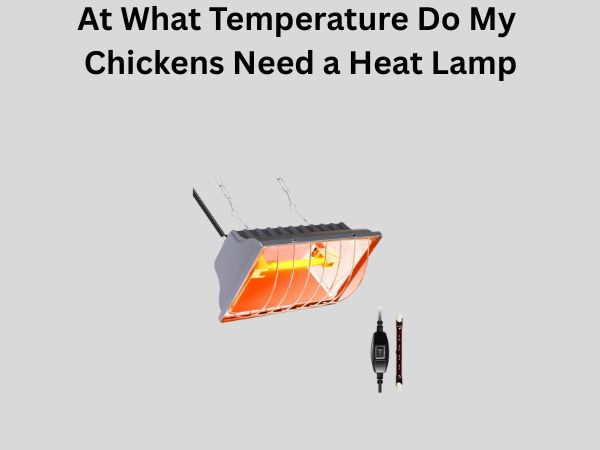
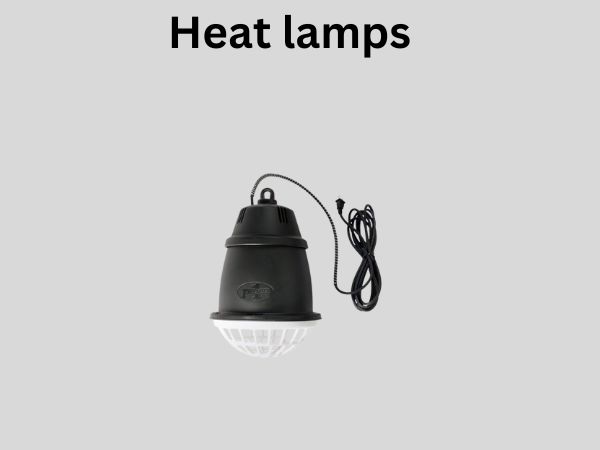
Most people use either ceramic heat emitters or red incandescent heat lamps. Ceramic heat emitters produce heat without light, which is actually preferable because it doesn’t disrupt the chickens’ circadian rhythm. Red incandescent bulbs produce both heat and a red glow that doesn’t interfere with behavior as much as white light would.
Avoid white incandescent bulbs for heat purposes in your coop. The bright light can stress chickens and lead to behavioral problems like cannibalism and aggression.
Safety Precautions You Cannot Ignore
Heat lamps are a legitimate fire hazard. I’m not trying to scare you, but coop fires do happen, and they’re devastating. Here are non-negotiable safety rules:
- Use a heavy-duty ceramic heat lamp fixture designed for outdoor or coop use
- Mount the lamp securely so it cannot be knocked down by roosting birds
- Keep it at least 12-18 inches away from bedding, wood, and flammable materials
- Use a thermostat to control the lamp so it doesn’t run continuously
- Inspect the cord regularly for damage
- Never use an extension cord unless it’s rated for the wattage of your lamp
- Consider using a heat lamp guard or protective cage
Signs Your Chickens Are Too Cold
Beyond looking at the thermometer, you should recognize the behavioral signs that indicate your chickens are struggling with cold:
- Constant huddling in one corner of the coop
- Reduced eating and drinking
- Lethargy and minimal movement
- Hunched posture rather than normal upright stance
- Frostbite on combs, wattles, or feet (grayish or black discoloration)
- Stopped egg production
- Heavy, labored breathing
If you see these signs, your chickens are telling you they need help. Conversely, if your chickens are active, eating well, and behaving normally, they’re probably fine, regardless of what the thermometer says.
Seasonal Transition Strategies
Fall Preparation
As summer fades, start preparing your coop for winter. This is when you repair any structural issues, add extra bedding material, ensure your chickens have water that won’t freeze, and evaluate your heat lamp situation. If you’ve had chickens for a winter before and didn’t need heat, you probably won’t suddenly need it this year unless you’ve added particularly sensitive breeds.
Spring Adjustments
As temperatures warm in spring, gradually reduce or eliminate heat lamp usage. An abrupt change from heated to unheated can actually stress your chickens. If you’ve been running a heat lamp through winter, reduce it by a few hours per day as temperatures increase, allowing your chickens to acclimate naturally.
Conclusion
So, at what temperature do your chickens need a heat lamp? The honest answer is: it depends. Most adult chickens don’t need supplemental heat until temperatures consistently drop below 45 degrees, and many cold-hardy breeds can handle much colder. Chicks, on the other hand, absolutely require a heat lamp with carefully controlled temperatures from day one. The quality of your coop setup, your chicken breed, and local weather conditions all play significant roles in determining what your specific flock needs.
Rather than assuming your chickens need heat, start by building a solid coop with good insulation, proper ventilation, and deep litter bedding. Observe your chickens’ behavior through the cold months. If they seem comfortable and healthy, you’re doing it right. If they show signs of cold stress, then you can add a heat lamp. Remember, the goal isn’t to make your chickens warm and toasty—it’s to help them maintain their health and comfort in whatever climate you live in. By understanding the factors that influence their temperature needs, you’ll make informed decisions that keep your flock thriving year-round.
Frequently Asked Questions
Can chickens survive winter without a heat lamp?
Absolutely, yes. Most adult chickens are remarkably cold-hardy and can survive winter without any supplemental heat, provided they have a well-built coop with proper insulation, ventilation, and deep bedding. Cold-hardy breeds like Wyandottes and Orpingtons have been living through harsh winters for generations. The key is good housing, not heat lamps. Many experienced chicken keepers in very cold climates don’t use heat lamps at all for adult birds.
What’s the minimum temperature chickens can tolerate?
Healthy adult chickens can tolerate temperatures well below zero Fahrenheit, sometimes down to negative 20 or 30 degrees, if they have proper shelter. The danger comes not from the temperature itself but from frostbite on unprotected areas like combs and wattles, and from poor coop conditions that leave them wet or exposed to wind. The real minimum depends on your coop quality and your birds’ breed, health, and age.
How long do chicks need a heat lamp?
Chicks typically need a heat lamp for 6-8 weeks, depending on the outdoor temperature where they’ll eventually live. By 8 weeks old, chicks are fully feathered and can regulate their own body temperature. However, if outdoor temperatures are still very cold at that point, you might continue providing heat in a transition coop until they’re a bit older and more robust, or until temperatures moderate.

![10 Best Arco Lamp Replica [2026]](https://bestdesklamp.com/wp-content/uploads/2026/09/10-best-arco-lamp-replica-2026-featured-768x432.jpg)
![10 Best Clip On Bed Lamp [2026]](https://bestdesklamp.com/wp-content/uploads/2026/08/10-best-clip-on-bed-lamp-2026-featured-768x432.jpg)