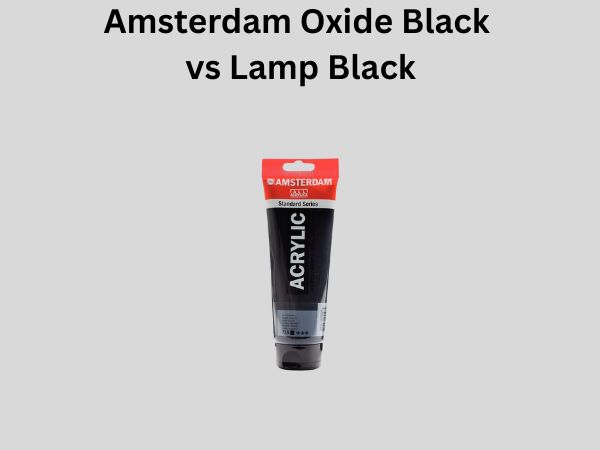
Amsterdam Oxide Black vs Lamp Black: What’s the Difference?
If you’re diving into the world of pigments and paints, you’ve probably stumbled across two names that sound pretty similar: Amsterdam oxide black and lamp black. But here’s the thing—just because they share the word “black” doesn’t mean they’re the same product. In fact, they’re quite different in terms of composition, performance, and application. Let me walk you through everything you need to know about these two pigments so you can make an informed decision for your project.
Understanding the Basics: What Are These Pigments?
Before we dive into the nitty-gritty differences, let’s establish what we’re actually talking about. Both Amsterdam oxide black and lamp black are black pigments used in paints, inks, and various artistic applications. However, they come from completely different origins and have distinct chemical compositions that affect how they perform.
What Exactly Is Amsterdam Oxide Black?
Amsterdam oxide black is an inorganic pigment that’s created through a synthetic manufacturing process. It’s essentially an iron oxide compound, meaning it contains iron and oxygen as its primary components. Think of it as a man-made product that’s created in controlled industrial settings. The manufacturing process allows manufacturers to ensure consistency and quality across batches, which is why professional artists and industrial painters often prefer it.
This pigment has been around for quite some time and earned its name because of its historical significance in Amsterdam’s art and painting communities. It’s known for its deep, rich black color and reliable performance across different mediums.
What Is Lamp Black?
Lamp black, on the other hand, is a carbon-based pigment with a completely different origin story. It’s produced by collecting the soot that results from burning oil, gas, or other carbon-containing materials in a low-oxygen environment. Essentially, lamp black is what happens when you capture and refine the smoke residue from incomplete combustion. This traditional method has been used for centuries, dating back to ancient times when people realized they could use soot as a pigment.
The name itself gives you a hint about its history—lamp black literally comes from the black soot that accumulated on old oil lamps. Pretty fascinating when you think about it, right?
Chemical Composition: The Core Difference
This is where things get really interesting. The chemical makeup of these two pigments is fundamentally different, and this difference impacts everything from how they look to how they behave in various applications.
Amsterdam Oxide Black’s Chemical Structure
Amsterdam oxide black is primarily composed of iron oxide, specifically ferric oxide (Fe2O3). This inorganic compound gives the pigment its stable, consistent black color. Because it’s a synthetic iron oxide, it doesn’t break down easily and maintains its properties over time, whether exposed to sunlight, moisture, or temperature changes.
- Primary component: Iron oxide (Fe2O3)
- Classification: Inorganic pigment
- Manufacturing: Synthetic process
- Stability: Excellent resistance to fading and environmental factors
Lamp Black’s Chemical Structure
Lamp black is primarily composed of carbon, specifically amorphous carbon particles. These microscopic carbon particles are collected from the soot of combustion. While it’s also an inorganic pigment technically, its organic origin and carbon-based nature make it behave quite differently from iron oxide blacks.
- Primary component: Amorphous carbon
- Classification: Carbon black pigment
- Origin: Combustion byproduct
- Particle size: Very fine, ultramicroscopic particles
Color Quality and Visual Appearance
Now let’s talk about what really matters to most people—how these pigments actually look. You might think all blacks are created equal, but they’re really not.
The Depth and Richness of Amsterdam Oxide Black
Amsterdam oxide black produces a deep, sophisticated black that many artists describe as having a subtle warmth to it. It’s not a harsh, cold black. Instead, it has an almost brownish undertone that becomes apparent when you use it in lighter concentrations or mix it with other colors. This quality makes it particularly popular among oil painters and fine artists who appreciate the subtle complexities in their color palette.
The Intensity of Lamp Black
Lamp black, by contrast, tends to produce a more intense, cooler black with a slight bluish undertone. Because the particles are so incredibly fine, the pigment can appear almost velvety in texture. When you apply lamp black, you’re working with one of the darkest pigments available, and it tends to dominate color mixtures more aggressively than Amsterdam oxide black does.
Lightfastness and Longevity
If you’re creating something you want to last for decades or centuries, lightfastness matters enormously. This refers to how well a pigment resists fading when exposed to sunlight.
Amsterdam Oxide Black’s Lightfastness
Amsterdam oxide black scores incredibly high on lightfastness scales. Because it’s an iron oxide compound, it’s essentially permanent and won’t fade even with prolonged exposure to sunlight. Museums curators love this pigment because artworks created with it remain vibrant and unchanged for centuries. You’re essentially dealing with a pigment that’s chemically stable and virtually indestructible.
Lamp Black’s Lightfastness
Lamp black also has excellent lightfastness, though slightly lower than iron oxide blacks. It resists fading very well and is considered permanent for most practical applications. However, in extremely harsh conditions with constant direct sunlight, it might show subtle changes over very long periods. For most artists and applications, this distinction is virtually irrelevant, but for museum-quality work, Amsterdam oxide black might have a slight edge.
Working Properties and Application
How these pigments perform when you’re actually using them is another crucial consideration.
Amsterdam Oxide Black in Different Mediums
Amsterdam oxide black is incredibly versatile. It works beautifully in:
- Oil paints and mediums
- Acrylics
- Watercolors
- Inks and printing
- Industrial coatings
The pigment mixes smoothly and predictably in most mediums. It doesn’t have the tendency to overwhelm color mixtures as aggressively as some black pigments, which makes it valuable when you’re trying to create subtle shadows and tones. Artists often appreciate how it behaves like a “team player” in their palette.
Lamp Black in Different Mediums
Lamp black is also versatile, but it has some distinct working characteristics. Because of its incredibly fine particle size, it can:
- Create exceptionally smooth gradations in watercolor
- Produce deep, velvety blacks in oil painting
- Mix aggressively with other colors, requiring less pigment to achieve dark tones
- Potentially cause issues in certain ink formulations due to its fine particles
Some artists specifically choose lamp black because they want that aggressive tinting strength—it means they need less pigment to achieve the darkness they want, which can be economical.
Price and Availability
Let’s be practical—budget matters when you’re stocking your studio or planning a large project.
Cost Comparison
Amsterdam oxide black is typically less expensive than lamp black because it’s manufactured through standardized industrial processes. The production costs are lower, and you can generally find it readily available at most art supply stores. Lamp black, being somewhat more specialized and traditionally produced, often carries a slightly higher price tag.
Where to Find Them
Amsterdam oxide black is widely available at virtually every art supply retailer, both online and physical stores. Lamp black is also available, but you might need to shop more carefully to find it. Some smaller retailers might stock it intermittently, depending on demand. If you’re working on a large commercial project, Amsterdam oxide black’s better availability could be a significant advantage.
Environmental and Health Considerations
In today’s world, how pigments are produced and whether they’re safe to handle matters to many people.
Amsterdam Oxide Black Safety Profile
Amsterdam oxide black is considered one of the safer pigments to work with. As an iron oxide compound, it’s non-toxic and poses no significant health risks with normal handling. It doesn’t release harmful fumes, and there are no special precautions needed beyond basic studio safety practices.
Lamp Black Safety Considerations
Lamp black is also relatively safe, but its carbon-based nature means you should be more careful about inhaling dust particles. When working with dry lamp black powder, wearing a dust mask is advisable. The fine particles can irritate the respiratory system if inhaled in significant quantities. Once it’s mixed into a medium like paint or ink, it’s completely safe, but handling the dry pigment requires more care.
Practical Applications: When to Use Each
Now that you understand the differences, let’s talk about which pigment works best for different scenarios.
Use Amsterdam Oxide Black When:
- You need maximum lightfastness for museum-quality artwork
- You want consistent, predictable color mixing
- You’re working on commercial projects where color consistency across batches matters
- You prefer an iron oxide pigment for its stability
- Budget is a consideration
- You need easy availability and quick ordering
Use Lamp Black When:
- You want the deepest, most intense black possible
- You’re creating oil paintings and want that velvety quality
- You need efficient pigment use (it goes a long way)
- You’re working in watercolor and want smooth gradations
- You appreciate the traditional, historical nature of the pigment
- You don’t mind paying slightly more for specialized pigments
Mixing and Color Theory Implications
The differences between these pigments become even more apparent when you start mixing them with other colors.
Amsterdam Oxide Black in Mixtures
When you add Amsterdam oxide black to another color, it tends to create rich, nuanced tones. Its subtle warmth means that when you mix it with other colors, you don’t lose the character of those colors as much. Mix it with red, and you get a sophisticated dark red rather than a muddy red. This is why many artists prefer it for creating complex color palettes.
Lamp Black in Mixtures
Lamp black is more dominating in mixtures. Because it’s so intensely pigmented, it doesn’t take much to push a color toward black. This can be seen as either an advantage or disadvantage depending on what you’re trying to achieve. If you’re going for bold, dramatic color shifts, lamp black is your friend. If you’re building subtle, complex colors, you need to be more careful with it.
Historical Context and Traditional Use
Understanding the history of these pigments gives you another layer of appreciation for them.
Amsterdam Oxide Black’s Heritage
Amsterdam oxide black became standardized in the artistic community during the Renaissance and has been refined continuously since then. It’s associated with the Dutch Golden Age of painting and represents centuries of refinement in pigment production. When you choose Amsterdam oxide black, you’re part of a long tradition that includes some of history’s greatest painters.
Lamp Black’s Ancient Roots
Lamp black has an even more ancient history. Archaeological evidence suggests that artists have been using soot-based pigments for thousands of years. Ancient Egyptian artists used lamp black, as did Chinese painters. When you work with lamp black, you’re connecting to some of humanity’s earliest artistic traditions. It’s the same type of pigment that created the cave paintings of our ancestors.
Technical Performance in Specific Industries
Beyond the fine arts, these pigments have important industrial applications.
Amsterdam Oxide Black in Industry
In industrial applications like construction coatings, automotive finishes, and protective coatings, Amsterdam oxide black is preferred. Its consistency, reliability, and excellent weathering properties make it ideal for outdoor applications. It’s also used in cosmetics, ceramics, and plastic colorization because of its stability and safety profile.
Lamp Black in Industry
Lamp black has specific industrial uses in rubber manufacturing, where it’s valued for its particle size and properties. It’s also used in certain ink formulations and printing applications. However, it’s less commonly used in large-scale industrial applications compared to Amsterdam oxide black, primarily due to production costs and availability.
Storage and Shelf Life
If you’re building a pigment collection, you’ll want to know how long these products last.
Amsterdam Oxide Black Storage
Amsterdam oxide black is incredibly stable and can be stored indefinitely without degradation. If you keep it dry and protected from moisture, it’ll remain perfectly usable for decades. The dry powder won’t separate, settle, or change in any way. It’s about as low-maintenance as pigments get.
Lamp Black Storage
Lamp black is equally stable in storage. Being a carbon-based pigment, it’s also inert and won’t degrade over time. As long as you keep it dry and sealed, lamp black remains viable indefinitely. Neither pigment requires special storage conditions or concerns about expiration dates.
Making Your Final Choice
So, which should you choose? Honestly, the answer depends on your specific needs and preferences. If you want a versatile, affordable, permanent black that works beautifully in all mediums with subtle warmth and excellent mixing properties, Amsterdam oxide black is hard to beat. If you want the deepest, most intense black available with a cool tone and appreciate traditional pigment history, lamp black is the way to go.
Many professional artists actually keep both on hand. They understand that having options in your palette makes you a better artist. You use Amsterdam oxide black for some projects and lamp black for others, taking advantage of each pigment’s unique qualities.
Conclusion
Amsterdam oxide black and lamp black are two fundamentally different pigments that happen to produce similar colors. Amsterdam oxide black is a synthetic iron oxide compound offering excellent stability, consistent performance, affordability, and ease of availability. It’s the practical choice for most applications and carries centuries of artistic tradition. Lamp black, derived from carbon-based combustion byproducts, offers unmatched intensity and depth, connecting you to ancient artistic traditions while providing unique working properties in certain mediums.
Neither is objectively “better”—they’re simply different tools for different situations. Understanding these differences allows you to make informed decisions about which pigment serves your artistic or industrial needs best. Whether you choose Amsterdam oxide black for its reliability and versatility or lamp black for its intensity and historical significance, you’re investing in a pigment that has proven itself over time. Start with whichever aligns with your immediate needs, but consider exploring both to appreciate how each unique pigment contributes its own character to your work.
Frequently Asked Questions
Can I mix Amsterdam oxide black and lamp black together?
Absolutely, you can mix them together, and many artists do. Combining them allows you to create a black that has the stability and subtle warmth of Amsterdam oxide black

![10 Best Affordable Table Lamps [2026]](https://bestdesklamp.com/wp-content/uploads/2026/09/10-best-affordable-table-lamps-2026-featured-768x432.jpg)


![10 Best Cordless Nail Lamp [2026]](https://bestdesklamp.com/wp-content/uploads/2026/09/10-best-cordless-nail-lamp-2026-featured-768x432.jpg)