How Long Can a Lava Lamp Stay On? Safe Usage Guide
You can safely leave a lava lamp on for about 6 to 8 hours at a time. That’s the sweet spot most manufacturers recommend. Run it longer than that, and you risk overheating the wax, shortening the bulb’s life, or even cracking the glass.
How long a lava lamp can stay on also depends on a few things: the lamp’s size, the wattage of the bulb, and the room temperature. Many experts say that if your lamp has been running for hours and the wax stops flowing smoothly, that’s a clear sign it needs a break. If you’ve ever wondered why your lamp looks cloudy or gloppy, leaving it on too long is often the culprit.
- 6 to 8 hours is the safe limit for most lava lamps.
- Larger lamps usually need shorter run times to avoid overheating.
- Always use the correct bulb wattage that came with your lamp.
- Let the lamp cool completely before turning it back on.
- New lamps need extra rest, so run them only a few hours at first.
Below, we break down everything you need to know about lava lamp run times, why they matter, and how to keep your lamp glowing happily for years. Ready to become a lava lamp pro? Let’s dive in.
Why the 6 to 8 Hour Rule Matters for Lava Lamps
You might be tempted to treat your lava lamp like a nightlight and let it run all day. We get it. That slow-motion wax ballet is hard to turn off. But lava lamps weren’t built for marathon sessions. They’re more like a slow cooker than a lamp — great for a while, but they need downtime too.
When you run a lava lamp too long, the wax at the bottom gets too hot and loses its signature flow. Instead of smooth blobs, you get a cloudy, soupy mess. Over time, overheating can also wear out the bulb faster and stress the glass bottle.
What Happens Inside Your Lamp After Hours of Use
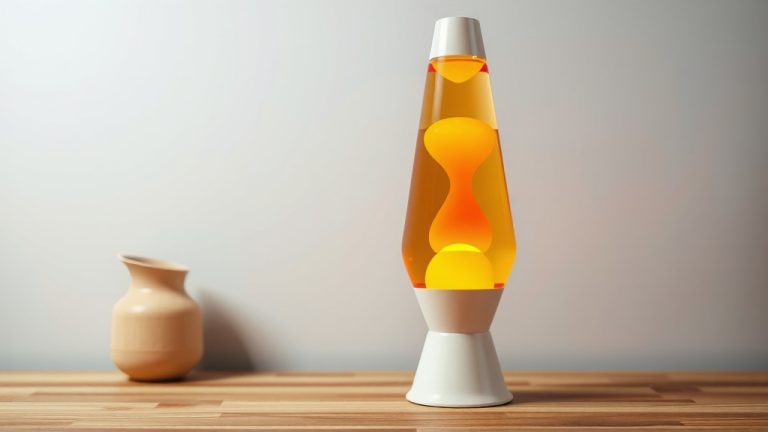
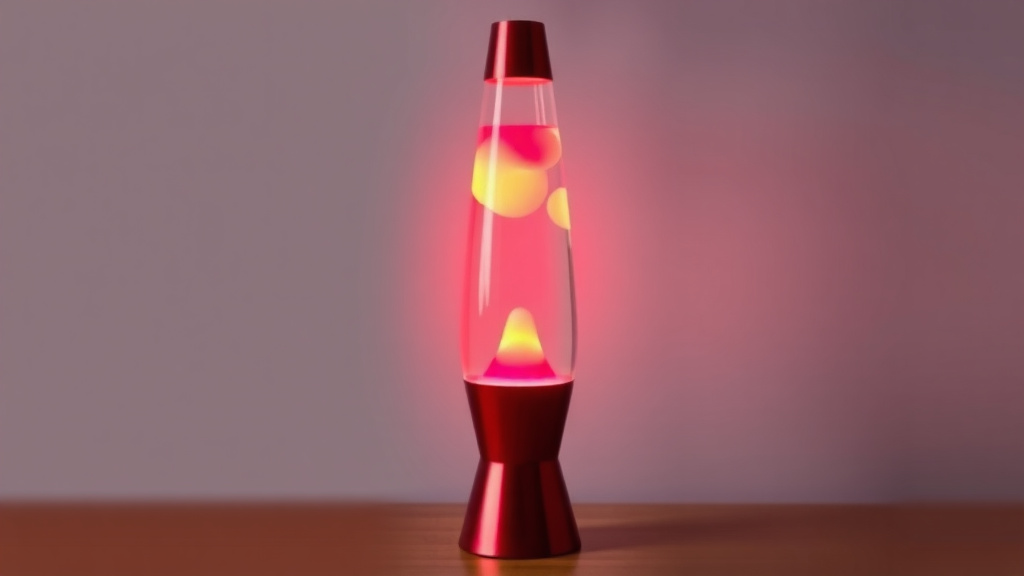
Here’s a quick play-by-play of what’s going on inside that bottle. The bulb heats the wax at the bottom until it becomes less dense than the surrounding liquid. Then it rises, cools off at the top, and sinks back down. That cycle is the whole show.
After 6 to 8 hours, the wax and liquid have absorbed a lot of heat. If you keep going, the entire bottle warms up evenly. When everything is the same temperature, the wax stops rising and sinking properly. The show ends, and your lamp just sits there looking tired.
Signs Your Lava Lamp Needs a Break
Your lamp will actually tell you when it’s had enough. Watch for these warning signs:
- The wax sits flat at the bottom and won’t rise.
- The liquid looks cloudy or hazy.
- Blobs merge into one giant, gloppy mass.
- The base feels hot to the touch — hotter than warm.
- The wax stays stuck at the top and never comes down.
Many experts say that if you notice any of these, shut the lamp off and let it cool. Think of it as your lamp saying, “Hey, I need a nap.”
Run Time Guidelines by Lamp Size and Bulb Wattage
Not all lava lamps are created equal. A classic 16-inch lamp and a small 11-inch model handle heat differently. We found that the general rule is simple: the bigger the lamp, the shorter the safe run time. Larger bottles hold more wax, which takes more heat to move — and that heat builds up faster than you’d expect.
| Lamp Size | Typical Bulb Wattage | Safe Run Time |
|---|---|---|
| Small (11 inches) | 15–25 watts | 6–8 hours |
| Classic (16 inches) | 25–40 watts | 4–6 hours |
| Large (27 inches) | 100 watts | 2–4 hours |
One big mistake people make? Swapping in a higher wattage bulb to speed things up. Don’t. The bulb that came with your lamp was matched to the bottle on purpose. Too much heat, and the wax breaks down permanently. Too little, and it never flows at all.
Using the Right Bulb for Your Lamp
Check the base of your lamp for a sticker or stamp that lists the correct wattage. If you’ve lost the original info, check the manufacturer’s website or contact their support team. Most brands are happy to tell you exactly what bulb to buy. If you’re unsure what to buy, our guide to finding the right bulb for your lamp walks through checking labels and wattage.
Room Temperature and Other Factors That Affect Run Time
Here’s something most people don’t think about: the room itself. Lava lamps are surprisingly sensitive to their environment. A lamp in a cool basement might take two hours to start flowing. The same lamp in a warm, sunny window can overheat in half the usual time.
Drafts matter too. A lamp near an air conditioner vent will flow unevenly, with the wax hugging one side. Direct sunlight is even worse — it heats the bottle from the outside while the bulb heats it from within. That’s a recipe for a gloppy mess.
The Best Spot for Your Lava Lamp
Where you place your lamp affects both performance and safety. We recommend finding a spot that’s:
- Out of direct sunlight.
- Away from AC vents, radiators, and fireplaces.
- On a stable, heat-safe surface.
- At normal room temperature, roughly 68 to 72°F.
- Out of reach of pets and small kids.
What to Do the First Time You Turn On a New Lamp
Brand-new lava lamps need extra gentle treatment. The wax inside has been sitting still during shipping, and it needs time to settle and condition. Many manufacturers suggest running a new lamp in short bursts during its first few days.
Try this: run the lamp for 2 to 3 hours, then turn it off and let it cool completely. Repeat that a few times over the first week. It sounds tedious, but it helps the wax form a healthy flow pattern that lasts for years. Skip this step, and you may end up with permanent cloudiness.
What If the Wax Won’t Flow at First?
Patience is your friend here. A new lamp can take 2 to 6 hours to start flowing on the very first run. Don’t shake it, don’t swirl it, and whatever you do, don’t swap in a hotter bulb. Shaking a lava lamp is basically the one unforgivable sin — it can cause the liquids to emulsify and turn cloudy forever.
How to Cool Down and Restart Your Lamp Safely
So your lamp hit its 8-hour limit. Now what? Turn it off and walk away. Seriously — the hardest part of lava lamp ownership is waiting.
Let the lamp cool until the bottle feels room temperature. For most lamps, that takes 2 to 3 hours. Cooling faster isn’t better, so don’t stick it in the fridge or run cold water over it. Sudden temperature swings can crack the glass. Just let it rest naturally on the shelf.
Your Quick Safety Checklist Before Every Use
Before you flip that switch, run through this simple checklist:
- Confirm you’re using the correct bulb wattage.
- Check that the bottle is seated straight in the base.
- Make sure the base and cord show no cracks or fraying.
- Verify the lamp sits on a flat, heat-safe surface.
- Confirm the lamp is away from sunlight and heat vents.
- Make sure the lamp has fully cooled since its last run.
Can You Leave a Lava Lamp On Overnight?
The short answer: it’s not worth the risk. Even though most modern lava lamps won’t burst into flames, running one unattended for 8 or more hours stacks up several problems. The wax degrades, the bulb burns out early, and a hot glass bottle near bedding or curtains is a genuine fire concern.
According to fire safety guidance from the U.S. Fire Administration, any device that produces heat should never be left running unattended near flammable materials. A lava lamp base can reach surprisingly toasty temperatures after hours of use. If you want a glow while you sleep, consider a regular LED nightlight instead. Your lava lamp will thank you with decades of daytime flow.
How Long Do Lava Lamps Last Overall?
Treat your lamp right, and it can last many years — some classic models from the 1960s and 70s still flow today. The wax itself doesn’t have an expiration date. What kills lava lamps is heat abuse: wrong bulbs, marathon sessions, and shaking.
The bulb is the first part to go, usually after a year or two of regular use. Luckily, replacements are cheap and easy to find. The liquid can eventually go cloudy if it overheats repeatedly, and that’s much harder to fix. Some manufacturers sell replacement bottles, so all isn’t lost if yours takes a turn.
Simple Habits That Extend Your Lamp’s Life
A few small habits go a long way. We found that owners who follow these basics rarely have problems:
- Stick to the 6 to 8 hour run time, every time.
- Let the lamp cool completely between sessions.
- Never shake, drop, or swirl the bottle.
- Keep the lamp away from windows and vents.
- Replace bulbs with the exact recommended wattage.
Treat your lava lamp like a slow, warm friend who needs naps, and it’ll keep putting on that mesmerizing show for years to come.
Conclusion
Your lava lamp doesn’t need much from you — just a little discipline. Stick to the 6 to 8 hour limit (less for bigger models), use the right bulb wattage, and give it a full 2 to 3 hour cooldown between sessions. Keep it away from sunlight and vents, and never shake the bottle. Do that, and your lamp could still be flowing years from now. If you’re setting it up tonight, start by checking the wattage sticker on the base — then set a timer so you never have to guess when it’s time for a break.
Frequently Asked Questions
What happens if I leave my lava lamp on for 24 hours?
The wax will likely overheat, lose its flow, and turn cloudy or soupy. In our experience, repeated long runs also wear out the bulb faster and can permanently damage the liquid. Turn it off and let it cool for a few hours if this happens.
Can a lava lamp catch fire if left on too long?
Fires are rare, but the risk is real. A hot base near curtains, bedding, or papers is the bigger concern, especially in the dark while you sleep. Unattended heat-producing devices should always be treated with caution.
Can I turn my lava lamp off and back on later the same day?
Yes, as long as it has fully cooled to room temperature first. That usually takes 2 to 3 hours. Restarting while the bottle is still warm can overheat the wax and shorten its lifespan.
Does turning a lava lamp on and off frequently hurt it?
Not really. Frequent on-off cycles are far gentler than one long marathon session. Just make sure each session stays within the safe run time and the lamp cools down completely in between.
Why is my lava lamp wax stuck at the bottom after hours of running?
The lamp may not have been on long enough yet — cold wax can take several hours to start moving, especially in a cool room. If it’s been 6 or more hours and nothing is rising, the wax may be overheated or degraded. Let it cool fully and try again with the correct bulb.