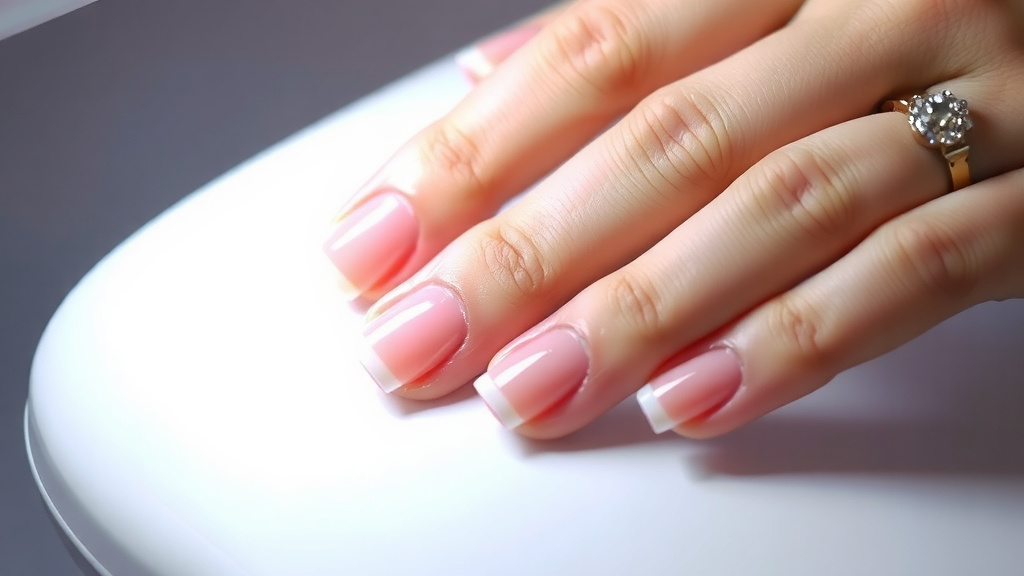
How Long to Cure Nails Under a UV Lamp: Timing Guide
Most gel nails need 60 seconds under a UV lamp per coat, or about 30 seconds under an LED lamp. Base coat usually takes a bit less, while top coat may need a full two minutes under UV. Still unsure? You’re not alone, and we’re about to clear it all up.
Here’s the catch: curing time changes based on your lamp type, your gel brand, and even the thickness of each coat. We dug through manufacturer guides and salon tips, and we found that most smudges and sticky nails come from rushing this step. Many experts say the fastest way to ruin a perfect mani is pulling your hand out too soon.
- UV lamps: cure each coat for 60 seconds to 2 minutes.
- LED lamps: usually need only 30 to 60 seconds per coat.
- Thin coats cure faster and more evenly than thick ones.
- Always check your gel polish bottle for the brand’s exact time.
- Sticky or tacky nails after curing usually mean under-cured gel.
Below, we break down everything you need to know about curing times, lamp types, and how to tell when your nails are truly done. Let’s get your mani right the first time.
Curing Gel Nails Under a UV Lamp: Timing That Works
The short answer: cure 60 to 120 seconds per coat under a UV lamp, depending on the product. Thin, even coats cure faster than thick globs, and every brand has its own sweet spot.
We found that most at-home gel disasters trace back to one thing: guessing the time. So let’s remove the guesswork, coat by coat.
UV Lamp Curing Times by Coat
Not all coats are created equal. Your base, color, and top layers each want a different amount of lamp time. Here’s what most manufacturer guides recommend.
| Coat Type | UV Lamp Time | LED Lamp Time |
|---|---|---|
| Base coat | 30–60 seconds | 10–30 seconds |
| Color coat (each layer) | 60–120 seconds | 30–60 seconds |
| Top coat | 60–120 seconds | 30–60 seconds |
Think of these numbers as a starting point, not gospel. Your gel bottle is the boss here. If it says 60 seconds, believe it.
Base Coat
Base coats are thin, so they cure quickly. Thirty to sixty seconds is usually plenty. If your base still feels slick or slides around when you apply color, give it another round under the lamp.
One tip we found in salon training guides: cap the free edge of your nail with base coat. It helps prevent chips later.
Color Coat
Color layers are where people rush. Dark shades like navy or deep red need the full recommended time, sometimes even more, because pigment blocks UV light from reaching the lower layers.
Lighter pastels and sheer pinks cure faster. Still, stick to two thin coats rather than one thick one. Thin layers let the light reach everything evenly.
Top Coat
Your top coat is the shield, so it deserves respect. Many experts say a full 60 to 120 seconds under UV gives you that glass-like shine and real durability.
Under-cured top coat is the number one culprit behind dull, tacky finishes. If your shine looks cloudy, it probably needed more time, not more product.
What Actually Changes Your Curing Time
Two nails, two lamps, two completely different results. Why? A few sneaky factors shift your timing more than you’d expect.
Lamp Wattage and Bulb Age
An old 36-watt UV lamp with tired bulbs simply won’t cure like it used to. We found that UV bulbs fade over time, even when they still light up. If your gel suddenly starts staying tacky, your bulbs may be due for a swap.
LED lamps don’t fade the same way, but their wattage still matters. A 12-watt mini lamp takes longer than a 48-watt pro model. Check your lamp’s manual and match it to your gel brand when you can. If your lamp is underpowered, our roundup of at-home LED nail lamps compares wattage and curing speed.
Coat Thickness
Thick coats are the arch-nemesis of a good mani. Piling on gel doesn’t save time; it creates a soft underlayer trapped under a hardened surface. Nail pros call this the “gummy bear” problem, and it can lead to lifting, peeling, and even skin reactions.
Safety note here: improperly cured gel can irritate the skin around your nail. The American Academy of Dermatology warns that uncured or under-cured gel products may cause contact dermatitis in some people. Thin coats protect both your manicure and your skin.
Why Your Gel Brand Matters So Much
Here’s a truth bomb: there’s no universal curing time. Each brand formulates its gel with different photoinitiators, the ingredients that react to UV light. That’s why Brand A cures in 30 seconds while Brand B demands 90. Curious what actually happens under the light? Our guide to how nail lamps cure gel polish explains the science.
Many gel systems are also designed to work only with their matching lamp. Mixing brands and lamps isn’t always a disaster, but it’s a gamble. When in doubt, read the label, then read it again. It sounds boring, but it saves more manis than any other habit.
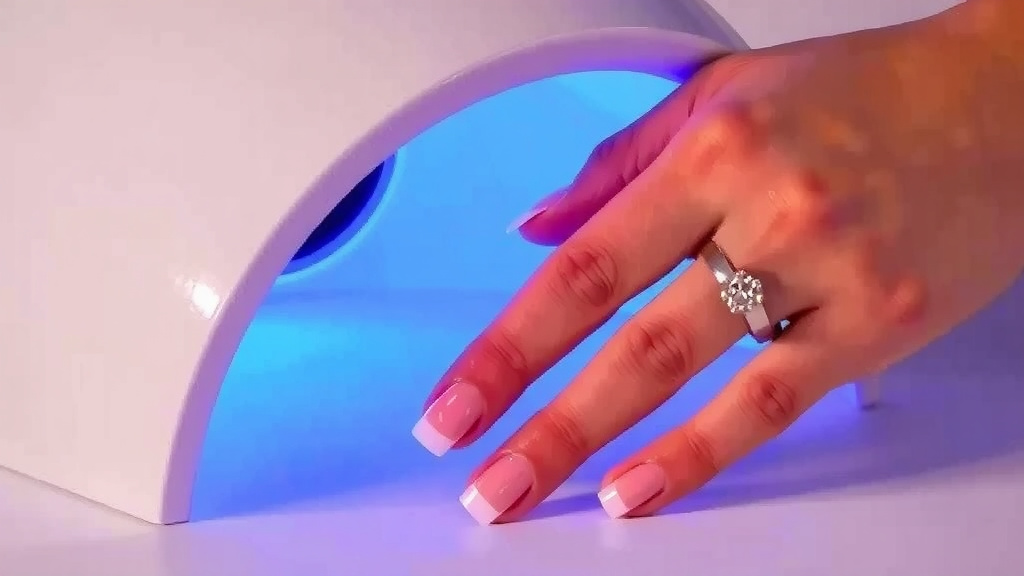
How to Tell If Your Nails Are Fully Cured
Your nails will tell you, if you know how to listen. Here’s what we found separates a cured nail from a rushed one:
- Hard surface: A fully cured nail feels firm and won’t dent under gentle pressure.
- No sticky layer (or an easy wipe): Some gels leave a slight inhibition layer that wipes away with cleanser. Anything beyond that means under-curing.
- Bright, clear shine: Cloudy or dull spots suggest the gel didn’t fully set.
- No warmth: A heat spike during curing is normal, but lingering heat can signal a thick, uncured layer beneath.
- Clean sound: Tap two nails together. Fully cured gel makes a crisp click, not a dull thud.
If nails stay tacky after a full cycle, don’t panic. Pop them back under the lamp for another 30 seconds and check again.
Curing Mistakes That Ruin a Good Mani
Most curing problems come from a handful of repeat offenders. Run through this checklist before your next session:
- Skip the wipe: Clean the inside of your lamp regularly. Dust and cured gel blobs block light.
- Position matters: Place your thumb flat and centered. Curled fingers leave edges half-cured.
- Cap the edges: Seal the tips and sides of each nail to lock out water and chips.
- Replace old bulbs: Swap UV bulbs every few months if you do gel often.
- Match lamp to gel: Use the lamp your brand recommends whenever possible.
- Set a timer: Never eyeball curing time. Use the lamp’s timer or your phone.
Cleveland Clinic dermatologists also suggest keeping gel product off the surrounding skin, since uncured gel touching skin is a common source of irritation and allergic reactions. Less product, more precision. Your nails (and your nail beds) will thank you.
Get these habits down and curing stops being a mystery. It becomes muscle memory, and your manis start lasting weeks instead of days. That’s the whole win, right there.
Conclusion
Curing gel nails isn’t hard once you know your numbers. 60 to 120 seconds per coat under UV is your baseline, and your gel bottle always gets the final say. Keep your coats thin, keep your bulbs fresh, and give dark shades a little extra patience. Most of all, trust your senses: a firm surface, a crisp click, and no sticky spots mean you did it right. We found that people who read the label and use a timer rarely deal with tacky nails again. So for your next mani, grab your lamp, set your timer, and check that bottle before you start. Your future two-week manicure starts with that one small habit.
Frequently Asked Questions
Can you cure gel nails for too long?
Yes, and it’s a real problem. Over-curing can make the gel brittle, cause it to yellow, or even trigger that uncomfortable heat spike on your nail bed. Follow your brand’s recommended time, and if a coat looks done early, resist the urge to add extra minutes.
Can you air dry gel polish instead of using a UV lamp?
Unfortunately, no. True gel polish contains photoinitiators that only harden when exposed to UV or LED light. It will stay tacky or never fully set without a lamp. If you want a no-lamp option, look for products labeled “air-dry gel” or stick with traditional polish.
Why do my nails feel hot or burn under the UV lamp?
That warmth is a heat spike, which happens when the gel cures quickly and releases energy. Thin coats usually keep it mild. If it stings badly, pull your hand out for a few seconds, then slide it back in. Persistent burning often points to coats that are too thick.
Can you cure regular nail polish in a UV lamp?
No, regular polish won’t cure under a lamp because it dries through evaporation, not light exposure. Putting it under UV just wastes your time. However, some “hybrid” polishes are designed for lamps, so always check the label before assuming.
How long should you wait between coats when curing gel nails?
Good news: you don’t need to wait at all. Once a coat finishes curing, you can apply the next layer right away and cure again. Just make sure each coat is fully set before moving on, or the layers can blend and cure unevenly underneath.