How Long Is Lamp Oil Good For? Shelf Life Explained
Lamp oil is good for about 1 to 2 years when stored properly in a sealed container. Some kerosene-based oils can last even longer, up to 5 years. If your lamp oil smells off, looks cloudy, or has changed color, it’s time to replace it.
So what actually causes lamp oil to go bad? Things like air exposure, moisture, and heat slowly break it down over time. We researched what manufacturers and oil lamp experts recommend, and the good news is that a little smart storage goes a long way. After all, nobody wants a lamp that won’t light on a dark night, right?
- Most lamp oil lasts 1 to 2 years in proper storage.
- Signs of bad oil include a sour smell, cloudiness, or color changes.
- Keep oil in a sealed, airtight container away from sunlight and heat.
- Old oil can still burn, but it may smoke, clog your wick, or burn poorly.
- When in doubt, replace it — new oil is cheap and safer.
Below, we break down everything you need to know about lamp oil shelf life, how to store it the right way, and when to toss it. Let’s dive in.
What Determines the Shelf Life of Lamp Oil?
So, how long does lamp oil actually stay fresh? It mostly comes down to the type of oil and how you store it. Paraffin-based lamp oils typically last 1 to 2 years. Kerosene-based fuels can stretch to 5 years under good conditions.
We found that the biggest enemies of lamp oil are the same things that ruin cooking oil in your pantry: air, heat, and light. Every time you open the container, oxygen starts slowly breaking the oil down. It’s kind of like leaving a soda can open overnight — it doesn’t spoil instantly, but it’s never quite the same.
- Oil type: paraffin oils age faster than kerosene blends.
- Container: sealed and airtight beats a loose cap every time.
- Temperature: cool storage slows down chemical breakdown.
- Light exposure: sunlight speeds up degradation.
Different Types of Lamp Oil and Their Lifespans
Not all lamp oils are created equal. Here’s a quick comparison we put together based on manufacturer guidance and oil lamp communities:
| Type of Lamp Oil | Typical Shelf Life | Notes |
|---|---|---|
| Paraffin lamp oil (liquid) | 1–2 years | Clean burning but degrades faster |
| Kerosene-based oil | 2–5 years | Lasts longer; strong odor when old |
| Soy or plant-based oils | 6 months–1 year | Can go rancid like cooking oil |
| Citronella torch fuel | 1–2 years | Use outdoors only |
Notice the plant-based oils at the bottom? They spoil the fastest because they’re organic. If you’ve ever smelled old fryer grease, you know exactly what rancid oil can do to a peaceful evening on the porch. If you’d rather not worry about shelf life, our guide shows how to make your own lamp oil at home.
Does Lamp Oil Expire or Just Go Bad?
Here’s a friendly distinction: lamp oil doesn’t have a hard expiration date like milk. It degrades gradually. Old oil can still ignite, but it may burn dirty, smoke more, and gum up your wick.
Safety matters here, too. The CDC notes that improper storage of flammable liquids — including fuel-burning products — raises fire and health risks in the home. That’s one more reason not to hang onto oil that’s clearly past its prime.
Signs Your Lamp Oil Has Gone Bad
Wondering if that half-used bottle from three summers ago is still usable? Your senses will tell you. Bad lamp oil rarely hides its problems.
- Sour or rancid smell when you open the container.
- Cloudiness or particles floating in the liquid.
- Color change — clear oil turning yellow or brown.
- Thick, syrupy texture instead of a smooth pour.
- Excessive smoke or sputtering when the lamp burns.
- Wick problems — clogging, hardening, or poor fuel flow.
If you spot two or more of these signs together, it’s time to say goodbye. Replacing oil costs a few dollars. A smoking lamp, a clogged wick, or worse? That’s a much bigger headache.
Can You Still Burn Old Lamp Oil?
Technically, yes. Practically, we wouldn’t recommend it. Old oil that’s only slightly cloudy might burn fine in a pinch — say, during a power outage. But oil that smells sour or looks sludgy can produce unpleasant fumes and soot.
Many experts suggest reserving questionable oil for outdoor torches only, and even then with caution. Why risk it indoors when fresh oil is inexpensive and easy to find? For another way to enjoy scented light, our complete guide explains how to use a fragrance lamp safely.
How to Store Lamp Oil So It Lasts Longer
Good storage can easily double the usable life of your lamp oil. Think of it like caring for a good bottle of wine — keep it cool, dark, and sealed, and it rewards you later.
Follow this simple checklist and your oil will thank you:
- Keep the container tightly sealed after every use.
- Store it in a cool, dark place — a basement shelf or closet works well.
- Keep it far from heat sources, water heaters, and open flames.
- Use the original container or a rated fuel-safe container with a label.
- Wipe the bottle’s rim before resealing to prevent residue buildup.
- Label it with the purchase date so you know when it’s time to rotate.
Where (and Where Not) to Keep Lamp Oil at Home
The best spot is a cool interior closet away from living spaces and definitely away from the kitchen. Garages and sheds work if temperatures stay moderate — extreme heat or freezing cold both shorten oil’s life.
Never store lamp oil near food, in reach of children, or beside anything flammable. FEMA’s fire safety guidance recommends keeping all flammable liquids away from ignition sources, and lamp oil absolutely counts.
Keeping Kids and Pets Safe
This one is near and dear to us. Lamp oil can look like juice to a curious toddler, and swallowing even a small amount can cause serious lung damage (NIH). Poison control centers regularly warn about this exact scenario.
Store oil high up or in a locked cabinet. Keep the original child-resistant cap on whenever possible. A few seconds of caution beats a panicked call to Poison Control any day.
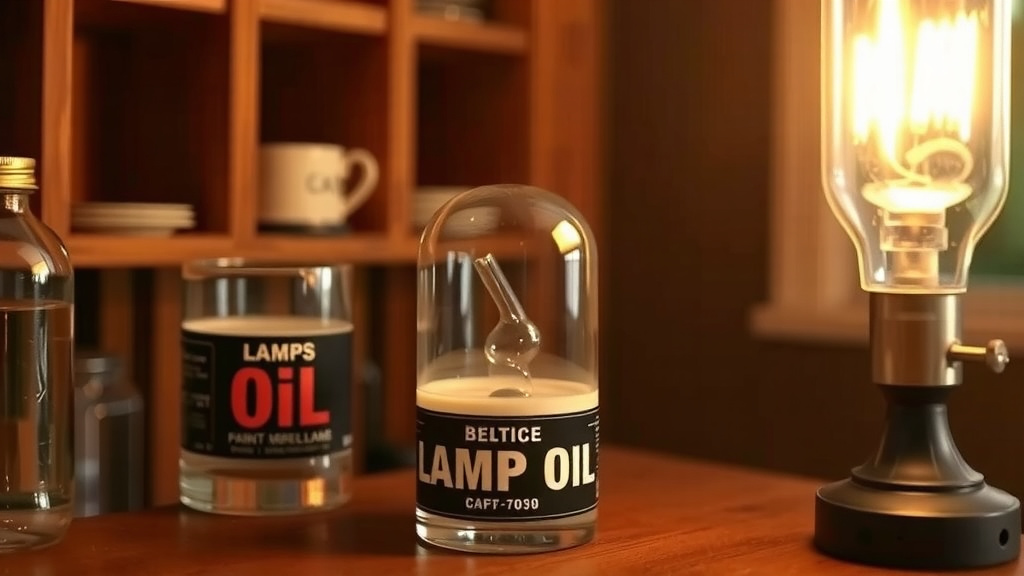
Should You Store Lamp Oil in Plastic or Glass?
Stick with the original container whenever you can. Manufacturers design those bottles to handle the fuel safely. If you must transfer oil, use a container rated for flammable liquids — never a random water bottle or mason jar.
That last point is worth repeating: a water bottle full of amber liquid is a recipe for an emergency room story you don’t want to tell.
Can You Extend the Life of Lamp Oil?
You can’t stop time, but you can slow it down. Buying smaller bottles that you’ll actually use within a year or two beats buying a giant jug that sits half-full for five summers. Fresh stock, rotated often is the whole secret.
We also found that decanting only what you need into your lamp — rather than pouring leftover fuel back into the storage bottle — keeps the main supply cleaner and longer-lasting. Small habits, big difference.
Conclusion
Lamp oil doesn’t last forever, but it doesn’t disappear overnight either. Most oils stay good for 1 to 2 years, and kerosene blends can push toward 5 with proper care. Your best tools are simple: a tight lid, a cool and dark storage spot, and a quick sniff test before you pour. We found that a little habit — like labeling the purchase date and rotating your supply — prevents almost every common problem. When your oil smells sour or looks cloudy, don’t push your luck. Replace it, restock with a smaller bottle, and enjoy the peace of mind that comes with a lamp that lights right the first time. Your future self will thank you on the next stormy night.
Frequently Asked Questions
Can I mix old lamp oil with new lamp oil?
We don’t recommend it. Blending old oil into fresh oil spreads the degraded fuel through your whole supply. If the old oil has any sour smell or cloudiness, dispose of it and start clean.
Does unopened lamp oil last longer than opened bottles?
Yes, it usually does. A factory-sealed bottle limits air exposure, so the oil degrades much more slowly. Once you crack the seal, the countdown speeds up — so use opened bottles within a year when you can.
What should I do with lamp oil I need to throw away?
Treat it like household hazardous waste. Don’t pour it down the drain or toss it in the trash. Check with your local waste facility for a drop-off program in your area.
Does freezing temperature ruin lamp oil?
Freezing can make some paraffin-based oils turn cloudy or thick, and repeated freeze-thaw cycles speed up breakdown. If your oil clears up again at room temperature, it’s usually fine. Steady, moderate storage is always the safer bet.
How can I tell how old my lamp oil is if I never labeled it?
Go with your senses instead of a date. Pour a small amount into a clear cup and check the color, smell, and thickness. If anything seems off, it’s cheaper to replace the oil than to clean soot off your walls.