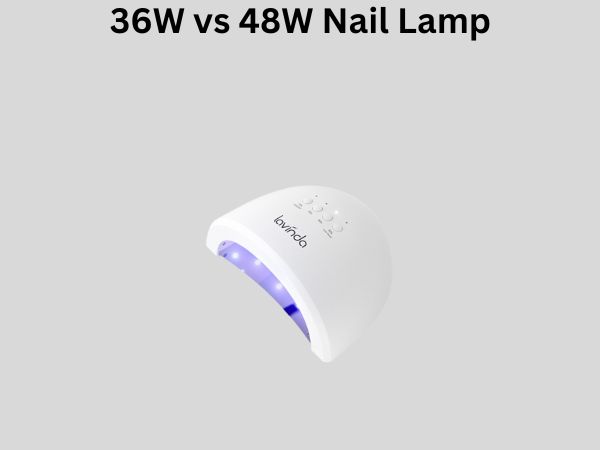
36W vs 48W Nail Lamp: Is Higher Wattage Worth It?
Have you ever stood in the nail polish aisle, staring at different UV and LED nail lamps wondering which one you should actually invest in? I’ve been there too, and let me tell you, the difference between a 36W and 48W nail lamp isn’t as straightforward as you might think. It’s not just about picking the bigger number and calling it a day.
When I first started doing my nails at home, I thought more watts meant faster drying and better results. Spoiler alert: it’s more nuanced than that. Today, I’m breaking down everything you need to know about these two popular wattage options so you can make an informed decision that actually suits your needs.
Understanding Nail Lamp Wattage and How It Works
Before we dive into the comparison, let’s talk about what wattage actually means in the context of nail lamps. Think of wattage like the horsepower in a car—it represents the amount of energy the lamp uses. However, just like a car with more horsepower doesn’t always get you where you need to go faster, a higher wattage lamp doesn’t automatically mean better results.
Nail lamps work by emitting ultraviolet or LED light that cures gel polish. The wattage determines how much power the lamp consumes and, to some degree, the intensity of the light it produces. A 48W lamp uses more electricity than a 36W lamp, but that doesn’t tell the whole story about performance.
What Exactly Is a Watt in Nail Lamp Context?
A watt is a unit of power that measures how much energy something uses. In a nail lamp, the wattage relates to the bulbs or LEDs inside and their combined output. It’s like comparing two light bulbs—one rated at 60W and another at 100W. The 100W bulb consumes more electricity and produces more light, but if you only need to read a book, the 60W bulb might be perfectly adequate.
The Difference Between UV and LED Lamps
Here’s where things get interesting. Most modern 36W and 48W lamps are LED-based rather than UV-based. LED lamps are more energy-efficient, meaning they produce more light per watt than traditional UV lamps. This is a game-changer when comparing wattages between different technologies.
UV lamps typically require higher wattages to achieve decent curing times because the technology is less efficient. LED lamps, on the other hand, can cure your nails faster at lower wattages because they’re simply more advanced. So a 36W LED lamp might actually perform similarly to a 50W UV lamp.
36W Nail Lamp: The Practical Choice
A 36W nail lamp represents a solid middle ground in the nail lamp market. It’s powerful enough for most home users and professional settings, yet it’s not excessive or overly complicated.
Curing Speed with 36W Lamps
Most quality 36W LED nail lamps cure standard gel polish in about 30 to 60 seconds, depending on the specific product and the lamp model. This is perfectly acceptable for most people doing their nails at home or in a professional salon setting. You’re not waiting forever, but you’re also not rushing through the process.
The curing time for 36W lamps works well with most popular gel polish brands on the market. Unless you’re using particularly thick gel builders or specialty products, a 36W lamp will handle your needs efficiently.
Cost Considerations for 36W Models
One major advantage of choosing a 36W lamp is the price. These models typically cost between fifty and one hundred fifty dollars, making them accessible for people who want to start doing nails at home without breaking the bank. You’re not paying a premium for features you don’t need.
Additionally, 36W lamps consume less electricity than their 48W counterparts, which means slightly lower energy bills over time. If you’re using your lamp daily, this small difference adds up throughout the year.
Portability and Space Requirements
36W lamps tend to be more compact than 48W models. If you have limited counter space in your bathroom or bedroom, a smaller lamp is definitely advantageous. Many 36W models are designed to be travel-friendly, which is perfect if you ever do your nails while visiting family or traveling for work.
48W Nail Lamp: The Powerhouse Option
A 48W nail lamp represents the upper end of the standard home and professional market. These lamps are built for speed and efficiency, and they come with their own set of benefits and considerations.
Superior Curing Speed
The most noticeable difference with a 48W lamp is the curing speed. Most 48W LED lamps cure gel polish in 20 to 30 seconds, which is noticeably faster than 36W models. If you’re doing multiple manicures or you’re simply impatient (and honestly, who isn’t?), this speed advantage matters.
This increased speed is particularly useful when you’re working with products that require longer curing times. Some gel polish brands, especially builder gels or thicker formulas, benefit from the extra power a 48W lamp provides.
Consistency Across Multiple Applications
Because a 48W lamp is more powerful, it provides more consistent results across the entire chamber. This means your nails cure evenly, whether they’re positioned in the center or toward the edges of the lamp. If you’ve ever had a nail that wasn’t quite cured while others looked perfect, a higher wattage lamp can help eliminate this frustration.
Professional-Grade Reliability
Most professional salons and nail technicians prefer 48W or higher wattage lamps because they’re built for high-volume use. If you’re considering doing nails professionally or you want professional-grade equipment for your home salon, a 48W lamp is a safer bet for longevity and consistent performance.
Comparing Curing Times: 36W vs 48W
Let’s get specific about curing times because this is usually the primary concern when comparing these two wattages.
With a typical gel polish applied in a standard thickness, here’s what you can generally expect:
- 36W LED lamp: 45-60 seconds per coat
- 48W LED lamp: 20-40 seconds per coat
So if you’re doing a full manicure with a base coat, two color coats, and a top coat, the time difference amounts to roughly 2-4 minutes for the entire process. Is that worth an extra fifty dollars or more? For some people, absolutely. For others, it’s negligible.
Factors That Affect Curing Time Beyond Wattage
Here’s something important: wattage isn’t the only factor that determines curing speed. The specific LED wavelength, the quality of the bulbs, and even the gel polish formula itself play significant roles. A cheap 48W lamp might actually perform similarly to a high-quality 36W lamp from a reputable brand.
This is why I always recommend checking reviews and specifications rather than just comparing wattage numbers on a spreadsheet. Real-world testing matters more than theoretical power.
Heat Output: An Important Consideration
Higher wattage lamps generally produce more heat, though modern LED lamps are designed to minimize this. If you have sensitive skin or you’ve experienced discomfort during nail curing before, this is worth considering.
36W Lamp Heat Profile
36W lamps produce less heat, making them more comfortable for extended use. If you’re sensitive to heat or you have conditions like arthritis that make warmth uncomfortable, a 36W lamp might be the kinder choice for your hands.
48W Lamp Heat Profile
48W lamps do produce noticeably more heat due to their higher power output. However, most modern 48W lamps include cooling systems or ventilation that helps manage this. Some premium models even have built-in fans to keep your hands cool during curing.
Energy Consumption and Long-Term Cost
Let’s talk about the practical, boring stuff that actually matters over time. A 36W lamp uses about 33 percent less electricity than a 48W lamp when operating. If you use your lamp daily, this compounds over months and years.
The average electricity cost difference is minimal—we’re talking about less than five dollars per year in most cases. However, if environmental impact matters to you, a 36W lamp is the greener choice.
Build Quality and Durability
Wattage doesn’t determine durability, but typically, lamps designed for higher wattage are built with more robust components since they need to handle greater power output. This doesn’t mean a 36W lamp won’t last—many quality 36W lamps last for years with proper care.
What Actually Determines Lamp Longevity
- Brand reputation and warranty
- Build materials (metal versus plastic housing)
- LED bulb quality and lifespan
- Proper maintenance and care
- Regular cleaning and ventilation
I’ve seen expensive 48W lamps fail after a year and budget 36W lamps that lasted five years. The difference comes down to quality control and manufacturing standards, not just wattage.
Compatibility with Different Gel Polish Brands
Here’s a practical question: will your gel polish cure properly in either lamp? Generally, yes. Most gel polishes on the market are formulated to work with standard LED lamps in the 30W to 60W range. Both 36W and 48W lamps will cure virtually any mainstream gel polish available.
The difference is in speed and consistency, not in whether your polish will cure at all. Some specialty products might have recommendations, but these are rare.
The Real Question: Which Should You Choose?
Okay, so here’s my honest take after examining all the factors. The answer depends entirely on your specific situation.
Choose 36W If:
- You’re a beginner just getting started with gel nails at home
- You have a limited budget
- You have sensitive skin or heat sensitivity
- You have limited space in your home
- You do nails occasionally rather than daily
- You want to minimize energy consumption
- You value portability for travel
Choose 48W If:
- You’re doing nails frequently or professionally
- You want the absolute fastest curing times
- You work with specialty products that require more power
- You want professional-grade equipment built for durability
- You can afford the extra investment
- You want consistent results across multiple applications
- You prefer curing thick gel builders or extensions
The Middle Ground Reality
Here’s what most people don’t talk about: the difference between 36W and 48W is actually pretty small in real-world usage. You’re not choosing between fast and slow—you’re choosing between reasonably fast and very fast.
If someone asks me for a recommendation and budget isn’t a constraint, I lean toward 48W because that extra speed is genuinely convenient when you’re doing multiple manicures. But if budget matters, or if you’re just doing your own nails occasionally, a 36W lamp is absolutely sufficient and won’t frustrate you with slow results.
Top Brands and Where They Fall on the Spectrum
Different manufacturers approach the 36W and 48W market differently. Some premium brands pack more efficiency into 36W designs, while others prioritize speed with their 48W models. This is another reason why brand matters as much as wattage.
When shopping, look at actual user reviews and curing time specifications from the manufacturer rather than just comparing wattage numbers. Real-world performance is what matters when you’re standing at your sink waiting for your nails to cure.
Installation and Setup Considerations
Both 36W and 48W lamps typically come with simple plug-and-play setups. Neither requires special electrical work or installation. If you’re worried about whether your home can handle the power draw, don’t be—both are standard household electrical consumers and won’t cause any issues with your home’s electrical system.
Maintenance Tips for Either Wattage
Regardless of which lamp you choose, proper maintenance extends its lifespan significantly. Clean the interior regularly to prevent product buildup. Check the LED bulbs periodically and replace them if they dim noticeably. Ensure proper ventilation so the lamp doesn’t overheat during extended use.
Both 36W and 48W lamps benefit equally from these maintenance practices, so this factor shouldn’t influence your decision.
Conclusion
After examining every angle of this comparison, here’s my final verdict: the choice between a 36W and 48W nail lamp comes down to your budget, usage frequency, and personal preference for speed versus cost-effectiveness.
Neither option is objectively “better.” A 36W lamp provides excellent results at a lower price point and is perfect for casual users or those just starting their nail journey. A 48W lamp offers noticeably faster curing times and is built for more demanding use, making it ideal for professionals or frequent users.
The wattage difference translates to roughly 20-30 seconds of curing time per coat and maybe an extra fifty to one hundred dollars in upfront cost. Is that extra speed worth the additional expense to you? That’s a personal question only you can answer.
My recommendation: if you’re unsure, start with a 36W lamp. You’ll get reliable results, you’ll save money, and you won’t feel like you’ve overpaid for features you don’t need. If you find yourself frustrated with curing times after a few months, you can always upgrade to a 48W model later. But I think you’ll find that most people are perfectly happy with the speed and performance of a quality 36W lamp.
Frequently Asked Questions
Will a 36W lamp cure all gel polish brands, or do I need 48W for some products?
A 36W lamp will cure virtually every gel polish brand available today. Modern gel polishes are formulated to work with LED lamps in the 30W to 60W range, so 36W is well within the effective range. The only exceptions might be specialty or professional-only products, which are rare. Your 36W lamp won’t leave you with uncured nails—it might just take slightly longer than a 48W lamp.
How much of a difference does 12W actually make in real-world use?
In practical terms, the 12W difference translates to roughly 20-30 seconds of faster curing time per coat. Over a full manicure with multiple coats, you might save 2-4 minutes total. If you do nails daily or professionally, this adds up. If you do them occasionally, the time savings probably won’t make a noticeable difference in your weekly routine.
Is a 48W lamp too hot for sensitive hands?
Some people do find 48W lamps uncomfortably warm due to the increased power output. If you have sensitive skin, Raynaud’s syndrome, or arthritis, this is worth considering. However, many premium 48W lamps include cooling systems or fans. If heat sensitivity is a concern, test a lamp before purchasing or
![10 Best Alcohol Lamp [2026]](https://bestdesklamp.com/wp-content/uploads/2026/09/10-best-alcohol-lamp-2026-featured-768x432.jpg)
![10 Best Daylight Magnifying Lamp [2026]](https://bestdesklamp.com/wp-content/uploads/2026/09/10-best-daylight-magnifying-lamp-2026-featured-768x432.jpg)