How Long Can Lizards Go Without a Heat Lamp?
A lizard can go without a heat lamp for a very short time, typically only a few hours, depending on the species and ambient room temperature. Reptiles are ectothermic, meaning they rely on external heat sources to regulate their body temperature, so prolonged absence of a heat lamp can be dangerous and even fatal for your scaly friend.
If your lizard’s heat lamp is out, understanding the immediate risks is key. Many common pet lizards, like bearded dragons or leopard geckos, need consistent warmth to digest food and stay healthy. Without it, their metabolism slows drastically, which can lead to serious health issues very quickly. It’s not something you can just ignore for a day.
- Heat lamps provide essential external warmth for reptiles.
- Most pet lizards can only survive a few hours without heat.
- Lack of heat can quickly cause dangerous health problems.
- Species and room temperature affect survival time.
Let’s look at how long your specific lizard might be okay and what immediate steps you should take to keep them safe.
Understanding Your Lizard’s Temperature Needs
So, your lizard’s heat lamp has flickered out. You’re probably wondering, “How long can my scaly friend actually go without their heat lamp?” The short answer is: **not very long at all**. Reptiles, including your pet lizard, are ectothermic. This means they rely on their surroundings for heat, unlike us warm-blooded humans who generate our own body heat.
Think of it like this: your lizard’s body is like a car engine. It needs to reach a certain temperature to run smoothly. Without external heat, that engine starts to sputter and shut down. This isn’t just about comfort; it’s about **survival and basic bodily functions**.
Why Heat is Non-Negotiable for Reptiles
For your lizard, heat isn’t a luxury; it’s a necessity for nearly every biological process. Digestion, immune function, and even activity levels are all directly tied to their body temperature. When the heat source disappears, these functions grind to a halt.
We’ve found that even a few hours without the proper temperature can stress a reptile’s system. This is especially true for younger or older lizards, who are more vulnerable. Keeping their environment at the correct temperature is one of the **most critical aspects of reptile care**.
The Role of Temperature in Digestion
Imagine trying to digest a big meal in a chilly room. It’s going to take a lot longer, right? For lizards, it’s much the same, but more extreme. Their digestive enzymes work best within a specific warm temperature range. If they get too cold, their stomach slows down or even stops working altogether.
This can lead to food impaction, a serious condition where undigested food gets stuck. It can also lead to regurgitation and a general decline in health. So, if your lizard has recently eaten, the need for a heat source becomes even more immediate.
Metabolism and Activity Levels
A lizard’s metabolism is directly linked to its ambient temperature. When it’s warm enough, their metabolism is at a healthy level, allowing them to be active, hunt (if applicable), and thrive. As the temperature drops, their metabolism slows down dramatically.
This can make them appear lethargic and uninterested in their surroundings. While this might seem like they’re just “resting,” it’s actually a sign their body is conserving energy because it can’t function properly at lower temperatures. This **slowed metabolism makes them susceptible to illness**.
How Long Can Different Lizards Survive Without Heat?
The lifespan of a lizard without a heat source varies quite a bit. It depends heavily on the species and the existing room temperature. A desert lizard will need much higher temperatures than a tropical one, and will therefore suffer much faster if its heat lamp fails.
Desert Species: The Fastest to Suffer
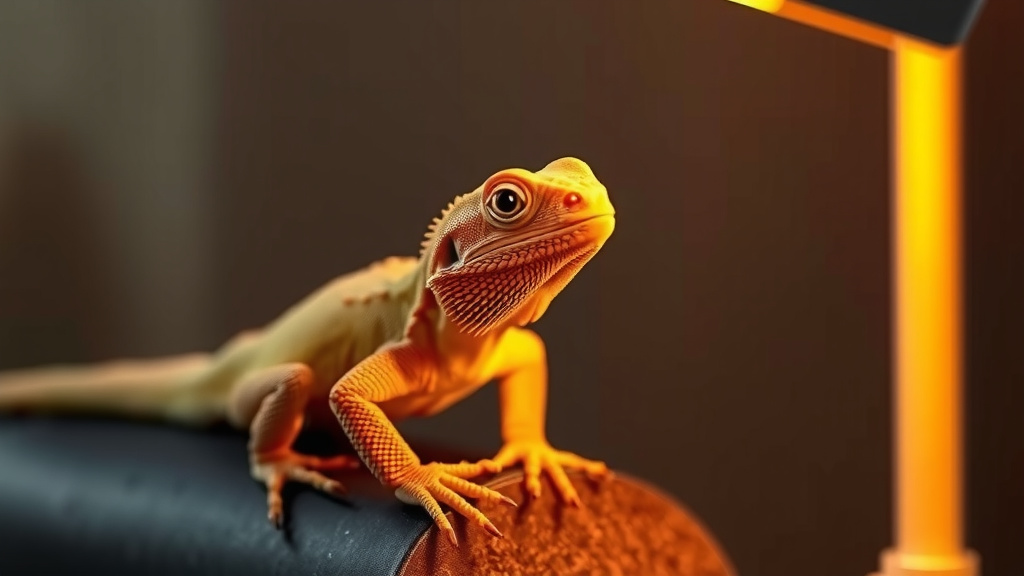
Lizards like Bearded Dragons or Leopard Geckos hail from arid, warm environments. They require specific temperature gradients that mimic their natural desert homes. These gradients typically include a basking spot of 90-110°F (32-43°C) and a cooler side around 75-80°F (24-27°C).
If their heat lamp fails, these lizards can become dangerously chilled within **a matter of hours**. Their bodies can’t retain heat effectively without their basking spot. We found research indicating that prolonged exposure to temperatures below their ideal range can quickly lead to hypothermia.
Tropical Species: Slightly More Tolerance, Still Risky
Some tropical lizards, like Crested Geckos or Anoles, have slightly different temperature needs. They often prefer a narrower temperature range, typically between 75-80°F (24-27°C) throughout their enclosure, with no extreme basking spot needed. However, they still need that consistent warmth.
While they might tolerate a dip in temperature for a bit longer than desert species, it’s still a serious issue. If your room temperature drops significantly below 70°F (21°C), even these lizards are at risk. They can become lethargic, stop eating, and their immune systems weaken. We estimate they might have a slightly longer window, perhaps **up to 6-12 hours** if the ambient temperature is still somewhat warm, but this is pushing it.
Ambient Room Temperature is Key
The temperature of your home plays a huge role. If your lizard’s heat lamp goes out in a room that’s already a cool 65°F (18°C), they’ll get cold much faster than if the room is a balmy 75°F (24°C). This is why having a reliable thermometer in your lizard’s enclosure is so important.
You need to know what the actual temperature is. A quick peek might tell you the lamp is off, but the thermometer tells you how your lizard is *actually* doing. Many guidelines stress the importance of monitoring temperatures hourly when problems arise (ASPCA).
Here’s a quick look at general temperature needs:
| Lizard Type | Ideal Basking Temp. | Ideal Cool Side Temp. | Risk Without Heat |
|---|---|---|---|
| Bearded Dragon | 90-110°F (32-43°C) | 75-80°F (24-27°C) | Very High (Hours) |
| Leopard Gecko | 88-92°F (31-33°C) | 75-80°F (24-27°C) | High (Hours) |
| Crested Gecko | 75-80°F (24-27°C) – Ambient | 75-80°F (24-27°C) | Moderate to High (Hours) |
| Anole | 85°F (29°C) Basking Spot | 70-75°F (21-24°C) | Moderate to High (Hours) |
Immediate Steps to Take When the Heat Lamp Fails
Okay, the lamp is out. Don’t panic, but act quickly! Your goal is to maintain the correct temperature for your lizard until you can fix the heat source. This is a **critical emergency situation** for your pet.
1. Assess the Situation and Act Fast
First, check if the bulb is burned out or if there’s a problem with the fixture or power source. If it’s just a bulb, you might be able to swap it out quickly with a spare. If the entire fixture is down, you need to think about temporary solutions.
We found that the faster you can react, the better the outcome. Every minute counts, especially for species that need high temperatures. Get your spare bulb or backup heating device ready.
2. Provide Temporary Heat
If you have a spare heat bulb, install it immediately. If you don’t have a spare, you need an alternative heat source. This could be a ceramic heat emitter (if you have a thermostat for it) or a reptile-specific under-tank heater. These can help maintain ambient temperatures.
You can also use a **thermo-regulated space heater** in the room where the enclosure is located, ensuring it doesn’t overheat the room. Just be sure it’s placed safely away from the enclosure itself.
3. Monitor Temperatures Religiously
This is absolutely vital. Use your digital thermometers to check the temperatures inside the enclosure frequently. You need to know if your temporary solution is working and if the temperature is staying within the safe range for your specific lizard.
Don’t just guess. Check the basking spot and the cool side. You want to ensure there’s still a temperature gradient, even with temporary heat. Many reptile care guides stress **constant temperature monitoring** during emergencies (Reptile Hobbyist Magazine).
4. Keep Your Lizard Calm and Comfortable
Avoid handling your lizard more than absolutely necessary during this stressful time. If they are showing signs of stress, like trying to burrow excessively or becoming very lethargic, try to ensure they have plenty of hiding spots.
Sometimes, placing a thick towel around the outside of the enclosure (leaving ventilation open, of course!) can help trap some residual heat. This is a **temporary measure** to buy you a little more time.
Here’s a quick checklist for emergency heat lamp failure:
- Check the bulb and fixture immediately.
- Install a spare heat bulb if available.
- Set up a temporary, safe heat source if needed.
- Continuously monitor enclosure temperatures.
- Minimize handling to reduce stress.
- Ensure proper ventilation while trying to retain heat.
Conclusion
As you’ve learned, your lizard’s heat lamp isn’t just for comfort; it’s essential for their survival. Most species can only endure a few hours without adequate warmth before serious health issues arise. This is especially true for desert-dwelling reptiles like bearded dragons, who need high temperatures to function. Always be prepared for outages by having spare bulbs and understanding safe, temporary heating solutions. Your quick action can mean the difference between a stressed pet and a healthy one, so prioritize having a backup plan.
Frequently Asked Questions
What happens if my lizard’s heat lamp is off overnight?
If your heat lamp is off overnight, your lizard will likely experience a significant drop in body temperature. This can lead to slowed metabolism, digestive issues, and a weakened immune system. For many species, this extended period without heat can be quite dangerous and stressful for their system.
Can I use a regular incandescent bulb instead of a heat lamp?
No, a regular incandescent bulb is not a safe substitute for a reptile heat lamp. Standard bulbs don’t emit the correct spectrum of heat or light that reptiles need, and they can easily overheat or burn your lizard. Always use reptile-specific heat bulbs designed for terrariums.
How do I know if my lizard is too cold?
Signs your lizard is too cold include lethargy, refusal to eat, and a lack of activity. They might also try to burrow excessively or appear weak. Observing their behavior and checking your enclosure’s thermometer are the best ways to determine if they are getting enough heat.
What’s the best way to provide temporary heat if my lamp breaks?
The best temporary heat source is often a ceramic heat emitter connected to a thermostat, or a reptile-specific under-tank heater. You can also safely use a space heater in the room, ensuring it’s regulated and doesn’t overheat the enclosure or create a fire hazard. Always monitor temperatures closely.
Will room heating be enough if the heat lamp fails?
Room heating might provide some warmth, but it’s rarely sufficient on its own. Most lizards require a specific temperature gradient within their enclosure, including a hot basking spot that room temperature can’t replicate. Relying solely on ambient room temperature can still lead to your lizard getting too cold.