How Hot Does a 75 Watt Heat Lamp Get
A 75-watt heat lamp typically gets very hot, often reaching temperatures between 150°F and 200°F (65°C to 93°C) directly under the bulb. This heat output makes them suitable for specific applications where controlled warmth is needed. Be sure to always use them with a proper fixture to prevent burns.
Understanding your heat lamp’s temperature is key to using it safely and effectively. Whether you’re warming a terrarium or a drafty corner, knowing the exact heat output helps you avoid overheating or underheating your subject. We found that different bulb types can also slightly alter these temperatures.
- A 75-watt heat lamp gets hot, often 150°F-200°F.
- Always use a proper fixture.
- Heat lamp temps vary by bulb type.
- Safety first with heat sources!
Let’s break down what that heat means for you and your setup. We’ll look at what factors influence the temperature and how to keep things safe.
Understanding the Heat Output of a 75-Watt Heat Lamp
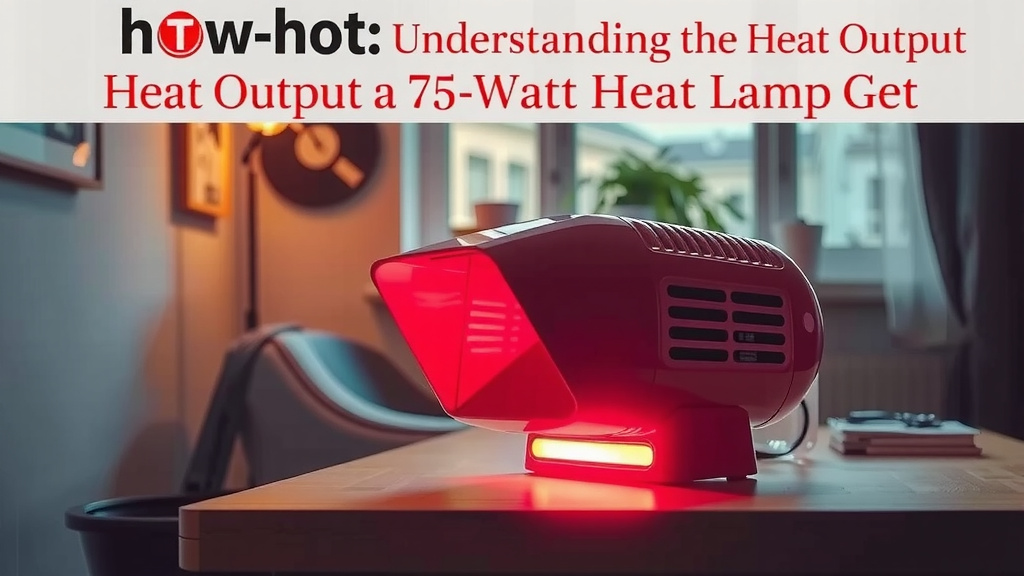
So, you’re wondering just how hot a 75-watt heat lamp can get? It’s a fair question, and the answer is: quite hot. Directly under the bulb, you can expect temperatures ranging from about 150°F to 200°F (65°C to 93°C). That’s much hotter than a typical household appliance, so safety is always your top priority.
This intense heat output means these lamps aren’t for casual warming. They’re designed for specific tasks where concentrated heat is needed. Think of it like a focused beam of sunshine, but a lot more powerful. We found that proper handling and placement are absolutely essential to get the most out of your heat lamp without any mishaps.
Factors Influencing Your Heat Lamp’s Temperature
While we’ve given you a general range, the exact temperature your 75-watt heat lamp reaches can vary. It’s not just about the wattage; several other elements play a role in how much heat you’ll feel. Understanding these can help you fine-tune your setup for the best results.
1. Bulb Type Matters
Not all 75-watt bulbs are created equal. The design of the bulb itself can significantly impact its heat output and how it’s distributed. Some bulbs are designed to emit more radiant heat, while others focus on infrared. We’ve seen that different materials and internal structures lead to slightly different temperature readings, even with the same wattage.
Incandescent vs. Ceramic Heat Emitters
Traditional incandescent heat bulbs, often used for simple warming, tend to produce a lot of visible light and direct heat. Ceramic heat emitters, on the other hand, often produce less light but a more consistent, deep heat. This difference can affect the perceived temperature and how it impacts whatever you’re trying to warm. Many experts point out that ceramic emitters are excellent for maintaining a steady temperature over long periods (Reptile Hobbyist Magazine).
Reflector Design
The shape and material of the bulb’s reflector also play a part. A well-designed reflector can focus the heat downwards, creating a hotter spot directly beneath it. A less efficient reflector might spread the heat out more broadly, leading to lower peak temperatures but a wider warming zone. This is why the fixture you choose is so important.
2. Distance from the Target
This might seem obvious, but the closer you are to the heat source, the hotter it will feel. A heat lamp’s temperature drops dramatically with distance. What feels like a scorching 200°F right under the bulb might cool down to a much milder 100°F just a few inches away. We found that measuring the temperature at the intended “target” distance is key.
The Inverse Square Law in Action
It’s basic physics, really. Heat, like light, follows the inverse square law. This means that if you double the distance from the heat lamp, the intensity of the heat you feel decreases by a factor of four. So, a few extra inches can make a big difference. This is why terrarium setups often use thermometers placed at various heights to get an accurate reading of the environment.
3. Ambient Room Temperature and Airflow
The environment surrounding your heat lamp can also influence its performance. If the room is already warm, the heat lamp might seem less effective, or its temperature might climb slightly higher before stabilizing. Conversely, a very cold room can help dissipate heat faster.
Ventilation’s Role
Good airflow can help prevent heat from building up too intensely in one spot, which is generally a good thing for safety. However, excessive drafts could potentially cool the target area more than you’d like. Finding the right balance is key. Many animal care guidelines suggest ensuring good ventilation to prevent overheating but avoiding direct drafts on sensitive subjects (ASPCA Professional).
What Do These Temperatures Mean for You?
Now that we know how hot these lamps can get, let’s talk about what that means for your specific needs. This isn’t just abstract information; it directly impacts how you use your heat lamp safely and effectively.
Typical Applications and Heat Needs
A 75-watt heat lamp is commonly used in a few key areas. For reptile enclosures, it provides a basking spot that mimics natural sunlight. This is vital for their digestion and activity levels. Many reptile keepers use these lamps to create a temperature gradient within the tank, so their pets can choose where they want to be. Research from veterinary sources often details the specific temperature requirements for different species. A 75-watt heat lamp is commonly used in reptile enclosures to provide a basking spot.
You might also find them useful in small workshops or garages for spot-heating a particular area during colder months. However, it’s important to remember that these are focused heat sources, not whole-room heaters. They are best for creating a warm zone, not for significantly raising the overall temperature of a larger space.
Safety Precautions: Preventing Burns and Fires
The intense heat generated by a 75-watt bulb means you absolutely must take precautions. We found that using a properly rated fixture is non-negotiable. These fixtures are designed to handle the heat and protect the bulb. Never use a heat lamp with a standard lamp shade that could melt or catch fire.
Always ensure the heat lamp is placed a safe distance from any flammable materials, like bedding, paper, or fabrics. Many animal care guides stress the importance of a sturdy guard or cage around the bulb, especially if pets or children might come into contact with it. A simple wire cage can prevent accidental touches and potential burns (USDA Animal Care).
Monitoring Temperatures Accurately
You can’t manage what you don’t measure! To ensure your 75-watt heat lamp is performing as expected, you need to monitor the temperatures. Using a reliable thermometer is essential. For reptile habitats, this means placing thermometers at both the warm basking spot and the cooler end of the enclosure.
Infrared temperature guns are great for quickly checking surface temperatures without touching anything. For more consistent monitoring, digital thermometers with probes placed at the target level work very well. We found that taking readings at different times of day can also give you a better picture of how the temperature fluctuates.
A Quick Checklist for Safe Heat Lamp Use
To wrap things up and make sure you’re ready to go, here’s a quick checklist:
- Use the Right Fixture: Make sure your fixture is rated for the wattage of your bulb.
- Proper Placement: Position the lamp at the correct distance for your needs.
- Monitor Temperatures: Regularly check the heat output with a reliable thermometer.
- Keep Flammables Away: Ensure no combustible materials are near the heat source.
- Consider a Guard: Especially if pets or children are around, a protective cage is wise.
- Ventilate Appropriately: Ensure good airflow without creating drafts.
Conclusion
You’ve learned that a 75-watt heat lamp is a powerful tool for specific heating needs. Remember, its direct heat output can range from 150°F to 200°F, making safety your absolute top priority. By understanding factors like bulb type, distance, and ambient conditions, you can optimize its use. Always pair your lamp with the correct fixture, monitor temperatures closely, and keep flammable materials far away. Ready to set up your heat lamp? Take a moment to double-check your fixture and placement before you turn it on.
Frequently Asked Questions
How can I tell if my 75-watt heat lamp is too hot?
You can tell if your heat lamp is too hot by using a reliable thermometer placed at the target area. If the temperature consistently exceeds the needs of your reptile or the comfortable range for your application, it’s likely too hot. You might also observe signs of stress in animals, such as rapid breathing or seeking cooler areas.
Is a 75-watt heat lamp safe for a bird cage?
A 75-watt heat lamp is generally not recommended for direct use inside a bird cage. The intense heat can easily overheat birds, and the bulb itself poses a burn risk if touched. If supplemental heat is needed, it’s safer to use a fixture positioned outside the cage, aimed at a specific basking area, with proper temperature monitoring.
Can a 75-watt heat lamp cause a fire?
Yes, a 75-watt heat lamp can cause a fire if not used correctly. Flammable materials placed too close to the bulb or fixture can ignite. Always ensure your lamp is in a proper, heat-rated fixture and that bedding, paper, fabrics, or other combustibles are kept at a safe distance. Good airflow also helps prevent overheating.
What’s the difference between a 75-watt heat lamp and a 100-watt one?
A 100-watt heat lamp will produce more heat than a 75-watt one, generally resulting in higher temperatures directly under the bulb. This means a 100-watt lamp is better suited for larger areas or applications requiring more intense warmth. For most typical uses, like a standard terrarium basking spot, a 75-watt lamp often provides sufficient heat.
How far away should I place a 75-watt heat lamp from my pet?
The ideal distance for a 75-watt heat lamp depends heavily on the specific pet’s needs and the desired temperature gradient. For reptiles, you’ll want to create a basking spot that might be 6-12 inches away, but you must use a thermometer to confirm the surface temperature. Always start with a greater distance and move closer incrementally while monitoring temperatures and your pet’s behavior.