How Long Can A Turtle Go Without Heat Lamp
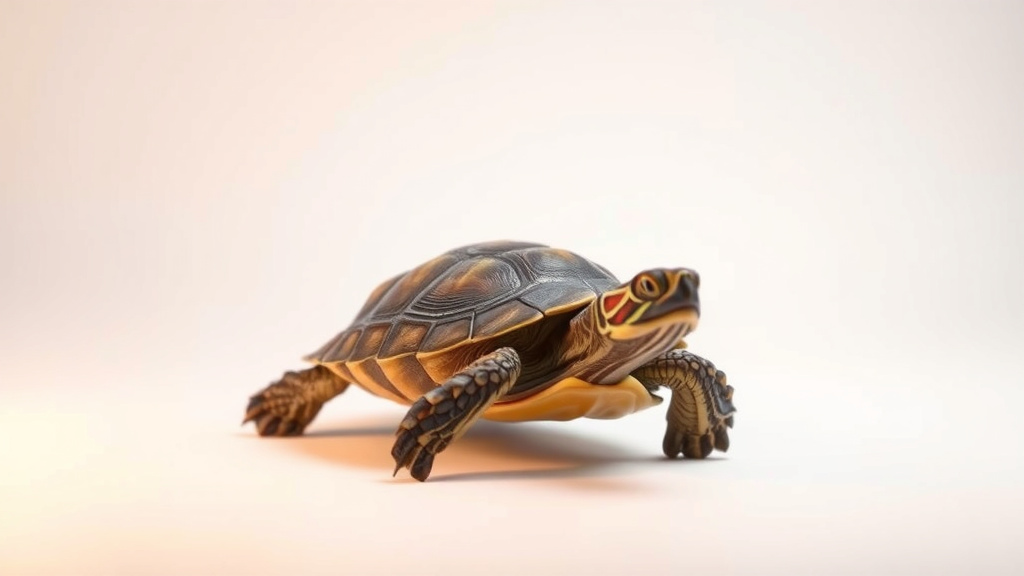
A turtle can go without a heat lamp for a short period, but it’s not ideal for their long-term health. While they can survive for a day or two if necessary, prolonged absence of proper warmth can lead to serious health issues. It’s best to provide consistent heat sources to mimic their natural environment and ensure their well-being.
Turtles are ectothermic, meaning they rely on external heat sources to regulate their body temperature. A heat lamp provides essential UVB light and basking temperatures. Without it, your turtle can become lethargic, stop eating, and be more susceptible to illness. Proper temperature gradients are critical for digestion and immune function.
- Turtles need heat to function properly.
- They can survive short periods without a heat lamp.
- Prolonged absence leads to health problems.
- Consistent heat is vital for their digestion and immune system.
Let’s dive into why a heat lamp is so important and what happens if your turtle goes without one.
How Long Can a Turtle Survive Without a Heat Lamp?
So, your turtle’s heat lamp flickered out. You’re probably wondering, how long can my little shelled friend go without it before it becomes a serious problem? We’ve researched this, and the short answer is: not very long. While a turtle won’t instantly keel over if the heat lamp is off for a few hours, days without it can lead to a cascade of health issues. Think of it like you, trying to function on a freezing cold day without a coat – it’s just not sustainable for your body.
Turtles are ectotherms. This means they don’t produce their own body heat like we mammals do. Instead, they rely entirely on their environment to maintain a safe and functional body temperature. A heat lamp is not just for cozy basking; it’s a vital component of their health, impacting everything from digestion to their immune system.
The Essential Role of Heat for Your Turtle
Imagine your turtle’s body is like a car engine. It needs to reach a certain operating temperature to run efficiently. For turtles, this temperature range is crucial for all their metabolic processes. Research consistently shows that proper thermal regulation is non-negotiable for their well-being (National Center for Biotechnology Information).
Digestion: A Slowdown Without Warmth
One of the most immediate impacts of insufficient heat is on your turtle’s digestion. When a turtle is cold, its metabolism slows down drastically. Food simply won’t be processed correctly if their body temperature is too low. This can lead to food sitting undigested in their gut, potentially causing impaction or other serious digestive problems.
You might notice your turtle becoming less interested in food or becoming constipated. This is their body telling you it’s too cold to get the job done. Without adequate heat, the enzymes needed for digestion simply don’t function at their optimal level. It’s like trying to bake a cake at room temperature; it’s just not going to bake!
Immune Function: A Weakened Defense
Just like humans are more susceptible to colds when they’re run down, a cold turtle’s immune system takes a hit. Studies indicate that proper temperatures are linked to a stronger immune response in reptiles. When your turtle is cold, their body is focused on survival, not on fighting off potential pathogens.
This makes them far more vulnerable to infections, such as upper respiratory infections or shell rot. A weak immune system means that even minor issues can quickly become major health crises. You want your turtle to be robust and healthy, and consistent warmth is a key part of that.
Activity Levels: Lethargy and Sluggishness
Have you ever felt sluggish on a cold day? Your turtle experiences this intensely. When they lack the necessary external heat, they become lethargic and inactive. This isn’t just about them being sleepy; it’s a survival mechanism. Their bodies are conserving energy because they can’t generate enough heat internally.
You’ll likely see them hiding more, moving very slowly, or simply not engaging in their usual activities. This lack of activity can also impact their overall health. They won’t be exercising properly or exploring their habitat, which are all important parts of a turtle’s life.
What Happens During a Short Heat Lamp Outage?
Let’s say your heat lamp bulb burns out unexpectedly, or there’s a brief power outage. If it’s just for a few hours, your turtle will likely be fine. They can tolerate a temporary drop in temperature, especially if your home’s ambient temperature is still somewhat warm.
During this time, you might observe a slight decrease in their activity. They may seek out warmer spots in their tank, if any are available (like near a filter or submersible heater). It’s important to act quickly to replace the bulb or restore power. The longer the outage, the more stress it puts on your turtle.
The 24-Hour Mark: Red Flags Appear
If your heat lamp is out for around 24 hours, you’ll start to see more noticeable effects. Your turtle will likely be very sluggish, uninterested in food, and possibly trying to burrow or hide excessively. Their digestion will be significantly impaired.
If you have a water turtle and a submersible heater for the water, the water temperature might remain somewhat stable for a longer period, offering some buffer. However, the basking spot temperature is equally, if not more, important for their thermoregulation. A full day without proper basking heat is stressful for their system.
Beyond 48 Hours: Serious Concerns Arise
Going 48 hours or more without a heat lamp is where you move from “concerning” to “potentially dangerous.” At this point, your turtle’s body temperature will have dropped significantly. Their metabolism will be in a severe slowdown. This is when the risk of impactions, severe dehydration, and a compromised immune system increases dramatically.
If your turtle has stopped eating for this long, or seems unusually lethargic, it’s time to seek veterinary advice. Prolonged cold exposure can have lasting effects on their health and may require intervention to get them back on track. It’s a situation that could seriously endanger their life.
What If You Can’t Replace the Lamp Immediately?
We understand that sometimes things happen, and you might not have a spare heat lamp bulb on hand. If you find yourself in a bind, here are some things to consider to mitigate the problem:
- Assess the ambient room temperature. Is your home still relatively warm? A warmer room offers a slight buffer.
- Use a submersible water heater (for aquatic turtles). This can help maintain water temperature, which is crucial for aquatic species, but it doesn’t replace the need for a basking spot.
- Consider a ceramic heat emitter. If you have a spare ceramic heat emitter and a compatible fixture, this can provide heat without light, which might be a temporary solution if UVB is also an issue.
- Improvise a temporary basking spot. If you have another heat source (like a reptile-specific heat mat *placed safely and correctly*), you could potentially use it as a short-term measure. Always research safe usage for your specific turtle species.
- Minimize stress. Keep the enclosure quiet and undisturbed.
We found that being prepared with spare bulbs is the best approach. Keeping one or two spare heat lamp bulbs on hand can prevent a crisis.
Temporary Heat Solutions While You Wait
If your heat lamp is out and you’re waiting for a replacement, you need to be strategic. For aquatic turtles, a submersible aquarium heater is essential. Make sure it’s set to the correct temperature range recommended for your species. This helps keep the water warm, which is the primary thermal regulator for many aquatic species.
For terrestrial or semi-aquatic turtles, the situation is trickier. You might be able to use a reptile-specific heat mat, but these often provide belly heat and don’t replicate the basking lamp’s overhead warmth. If you use a heat mat, ensure it’s controlled by a thermostat and placed under only a portion of the tank so your turtle can move away if it gets too hot. Never place a heat mat inside an aquatic tank unless it’s specifically designed for that purpose and installed correctly.
Monitoring Your Turtle’s Condition
While you’re implementing temporary measures, constant observation is key. Watch for signs of stress or illness. This includes lethargy, lack of appetite, changes in breathing, or unusual basking behaviors (like staying away from the heat source). If you see any of these, it’s a sign your temporary solution might not be enough.
We found that keeping a thermometer in the enclosure, both in the water and at the basking spot, is absolutely critical. This allows you to monitor temperatures closely and ensure you’re providing adequate heat, even with a makeshift setup.
| Duration Without Heat Lamp | Potential Effects on Your Turtle | Severity |
|---|---|---|
| A few hours | Slight decrease in activity. Seeking warmer spots. | Minimal |
| 24 hours | Significant lethargy, reduced appetite, slowed digestion. | Moderate |
| 48+ hours | Severe metabolic slowdown, high risk of impaction, dehydration, compromised immune system, potential for serious illness. | Severe |
When to Call the Vet
If your turtle has been without proper heat for more than 24-48 hours, or if you notice any serious symptoms like refusal to eat for multiple days, extreme lethargy, gaping, or discharge from the eyes or nose, it’s time to contact your veterinarian. Reptile vets are specially trained to handle these kinds of issues.
Don’t wait too long. Early intervention can make a world of difference in your turtle’s recovery. They can help diagnose any secondary infections or digestive issues that may have arisen due to the cold stress. It’s always better to be safe than sorry when it comes to your pet’s health.
Conclusion
Your turtle relies heavily on consistent heat for essential functions like digestion and immune health. While a brief power outage or burnt-out bulb might not be immediately fatal, days without proper warmth can severely impact their well-being. You’ve learned that lethargy, loss of appetite, and increased susceptibility to illness are serious signs of cold stress. Don’t wait for a crisis; always have a spare heat lamp bulb on hand. Regularly check your turtle’s enclosure temperatures to ensure they are thriving.
Frequently Asked Questions
What temperature should my turtle’s basking area be?
The ideal basking temperature varies by turtle species, but generally ranges from 85-95°F (29-35°C). You should always research the specific needs of your turtle breed. Using a reliable thermometer is essential to monitor this critical spot.
Can my turtle get sick if its heat lamp is off for a day?
Yes, a full 24 hours without adequate heat can definitely make your turtle sick. Their metabolism slows down dramatically, impairing digestion and weakening their immune system. This makes them vulnerable to infections and digestive issues.
Is a submersible water heater enough for my aquatic turtle if the heat lamp is out?
A submersible water heater is helpful for aquatic turtles as it keeps the water temperature stable, but it cannot replace the function of a basking heat lamp. Turtles need a warm, dry basking spot to fully regulate their body temperature and absorb UVB light.
My turtle is acting sluggish. Could it be too cold?
Sluggishness and lethargy are classic signs that your turtle is too cold. Because they are ectothermic, they need external heat to be active and process food. If your turtle seems unusually inactive, check the enclosure’s temperatures immediately.
How can I temporarily heat my turtle’s tank without a heat lamp?
For aquatic turtles, a submersible water heater is your best bet. For terrestrial species, a reptile-specific, thermostat-controlled heat mat placed *under* only part of the tank can offer some warmth. Always ensure there’s a temperature gradient so your turtle can move away if it gets too hot.