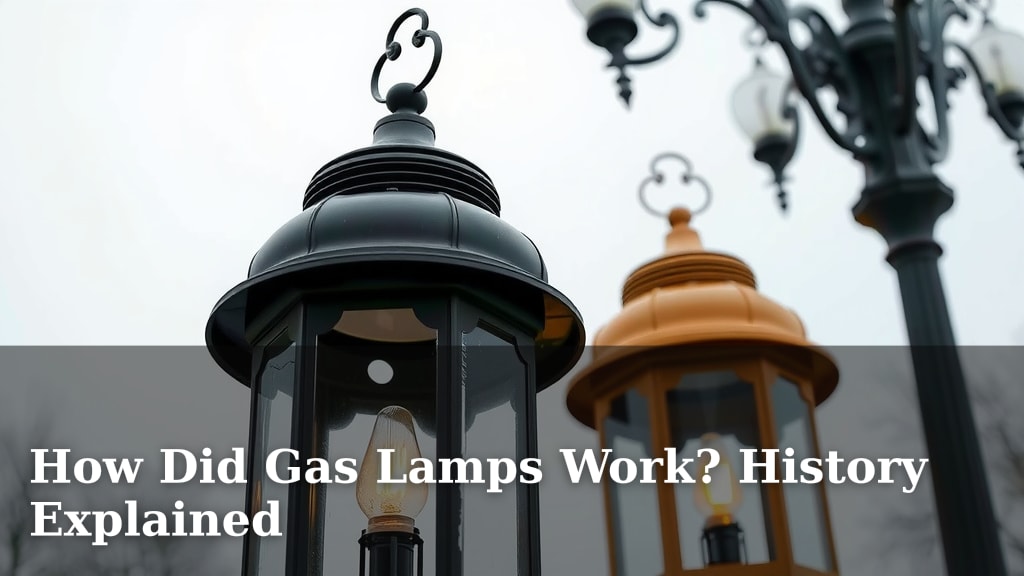
How Did Gas Lamps Work? History Explained
Gas lamps worked by burning a fuel, typically coal gas, in a specially designed lamp. This created a bright, steady flame that could be used for lighting streets and homes. The gas flow was controlled to ensure a consistent light output. It was a revolutionary step in illumination technology before electricity became widespread.
Before gas lamps, people relied on candles, oil lamps, and whale oil. These were often dim, smoky, and expensive. Gas lighting offered a much brighter and more affordable solution. Many found it to be a significant improvement for their daily lives and public spaces. It changed how cities looked and functioned after dark.
- Gas lamps burn a fuel like coal gas.
- A special lamp controls the fuel and flame.
- This provided brighter, steadier light than older methods.
- Gas lighting was an important step before electric lights.
Let’s walk through exactly how gas lamps worked and their fascinating history.
“`htmlUnderstanding How Gas Lamps Powered Our Past
Gas lamps were a revolutionary lighting solution before electricity became common. They worked by burning a fuel gas through a burner, creating a bright and steady light. This was a huge leap from the flickering flames of candles and oil lamps that lit up homes and streets before their invention.
The Fuel Behind the Flame
The primary fuel for these lamps was typically coal gas. This gas was produced by heating coal in the absence of air. It’s a process called destructive distillation. The resulting gas was a mixture of hydrogen, methane, and other hydrocarbons. Think of it like baking cookies, but instead of making delicious treats, you’re creating flammable gas from coal!
Producing Coal Gas
Coal gas production involved large industrial ovens, often called retorts. Coal would be loaded into these retorts and heated to very high temperatures. The vapors released would then be collected, cooled, and purified. Impurities like sulfur and ammonia had to be removed. This purification step was essential for a clean-burning and consistent flame. Without it, the gas could be smelly and damaging to the lamps themselves.
The Anatomy of a Gas Lamp
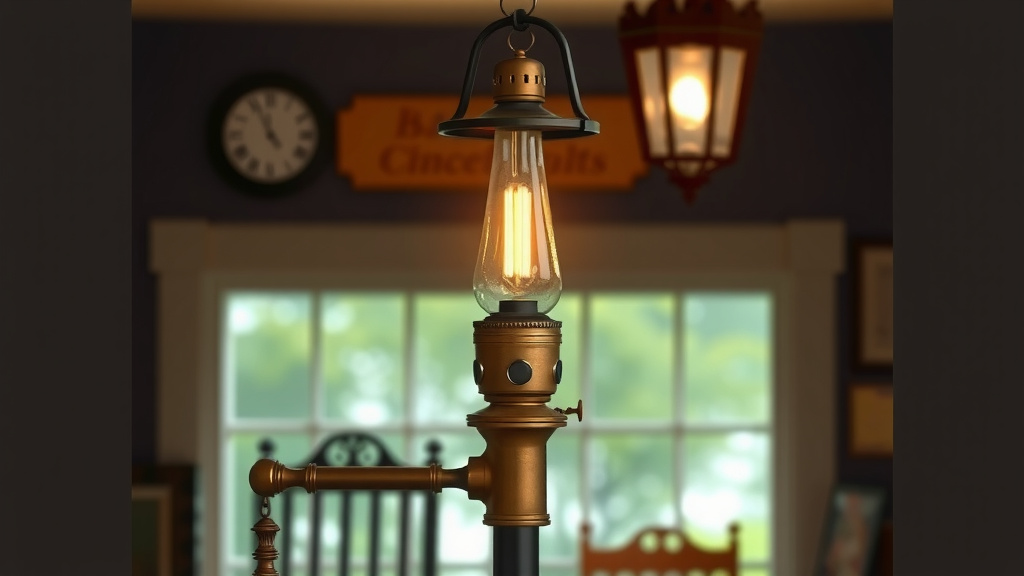
A gas lamp wasn’t just a simple fixture. It had several key components working together. These included a gas supply line, a control valve, a burner, and often a glass enclosure or chimney. Each part played a vital role in delivering light safely and efficiently. It’s like a tiny, controlled combustion engine for your home!
Controlling the Flow: The Valve and Burner
The gas supply flowed through pipes to the lamp. A control valve was crucial here. It allowed people to turn the light on and off. It also let you adjust the gas flow rate. More gas meant a bigger flame and brighter light. Less gas meant a dimmer light. The burner itself was designed to mix the gas with air. This ensured a complete and efficient burn. Early burners were simple metal tubes. Later designs used multiple small holes for a more even flame. This careful design was key to getting a steady light output.
The Importance of the Chimney and Mantle
Many gas lamps also featured a glass chimney. This protected the flame from drafts and helped draw air into the burner for better combustion. It also directed the light where it was needed. Later advancements saw the introduction of the gas mantle. This was a mesh of fabric impregnated with mineral salts. When heated by the gas flame, it would glow intensely. The mantle produced a much brighter, whiter light than the flame alone. This was a game-changer for illumination.
From Streets to Homes: Gas Lighting’s Spread
Gas lighting first appeared in public spaces. Street lighting transformed cities. Before gas lamps, streets were often dark and dangerous after sunset. Gas lighting made them safer for travel and commerce. Imagine the difference – going from a few dim torches to a network of bright, reliable lights!
The Dawn of Street Lighting
Pall Mall in London was one of the first streets to be lit by gas in 1807. This was a public spectacle. People were amazed by the steady, bright light. Soon, other cities followed suit. Public buildings, theaters, and businesses also adopted gas lighting. It made evening activities more feasible and enjoyable. The “gaslight era” had truly begun.
Bringing Gas Light Indoors
After proving its worth outdoors, gas lighting moved into homes. It offered a convenient and cleaner alternative to candles and oil. Families could now enjoy brighter living spaces. Reading, sewing, and socializing became easier in the evenings. However, it required a connection to a gas main, usually provided by a gas company. Not everyone had access, especially in rural areas.
The Transition and Challenges
Gas lighting was a significant improvement, but it wasn’t without its challenges. The gas itself was flammable and could leak. Proper installation and maintenance were essential for safety. Early systems could be messy and required regular cleaning. Despite these issues, its advantages were clear for many years.
Safety Concerns and Innovations
Research and found that early gas systems sometimes suffered from leaks. This posed a fire risk. Strict regulations and improved engineering helped to mitigate these dangers over time. Better pipe seals, more reliable valves, and improved burner designs all contributed to safer operation. Public awareness campaigns also educated users on safe practices.
A Stepping Stone to Modernity
Gas lamps dominated the lighting scene for decades. They paved the way for future innovations. The infrastructure built for gas distribution eventually found new uses. When electric lighting emerged, it gradually replaced gas. However, the legacy of gas lighting is undeniable. It changed how we lived and interacted after dark. It truly lit up the world before the electric age.
Quick Checklist: How Gas Lamps Operated
- Fuel source was typically coal gas.
- Gas was produced by heating coal.
- A valve controlled the gas flow.
- A burner mixed gas with air for combustion.
- A mantle (later models) enhanced brightness.
- Glass chimneys protected the flame.
Conclusion
You’ve learned how gas lamps lit up your past, moving from smoky candles to a bright, steady flame. They transformed cities and homes by burning fuel like coal gas, controlled by valves and burners. While they brought convenience, safety was a key concern. Gas lighting paved the way for today’s electric lights. Consider exploring local historical sites or museums to see these fascinating pieces of history firsthand. You might even find old gas lamps still preserved!
Frequently Asked Questions
How was coal gas made for lamps?
Coal gas was made through a process called destructive distillation. This involved heating coal in special ovens, called retorts, without air. The vapors released were then cooled and purified to remove impurities before being used as fuel.
What made a gas lamp flame brighter?
Later gas lamps often included a gas mantle. This was a mesh material soaked in mineral salts. When heated by the gas flame, the mantle would glow very brightly, producing a much whiter and more intense light than the flame alone.
Were gas lamps safe to use in homes?
Gas lamps required careful installation and maintenance. While improvements were made over time, early systems could be prone to leaks, posing a fire risk. Proper ventilation and regular checks were essential for safe operation.
Why did gas street lighting make cities safer?
Before gas lamps, streets were very dark after sunset, making them dangerous. Gas lighting provided a consistent, bright illumination that improved visibility. This made it safer for people to travel and conduct business after dark.
Did all homes have access to gas lighting?
No, not all homes had access to gas lighting. It required a connection to a gas main, which was primarily available in urban areas. People living in rural locations typically did not have this convenience.