How Plasma Ball Lamps Work: The Science Explained
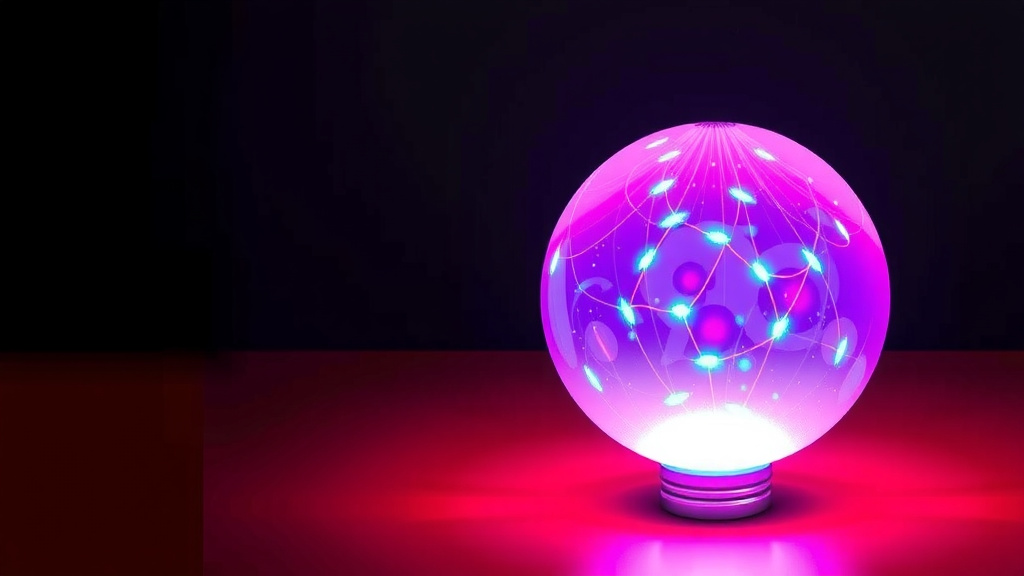
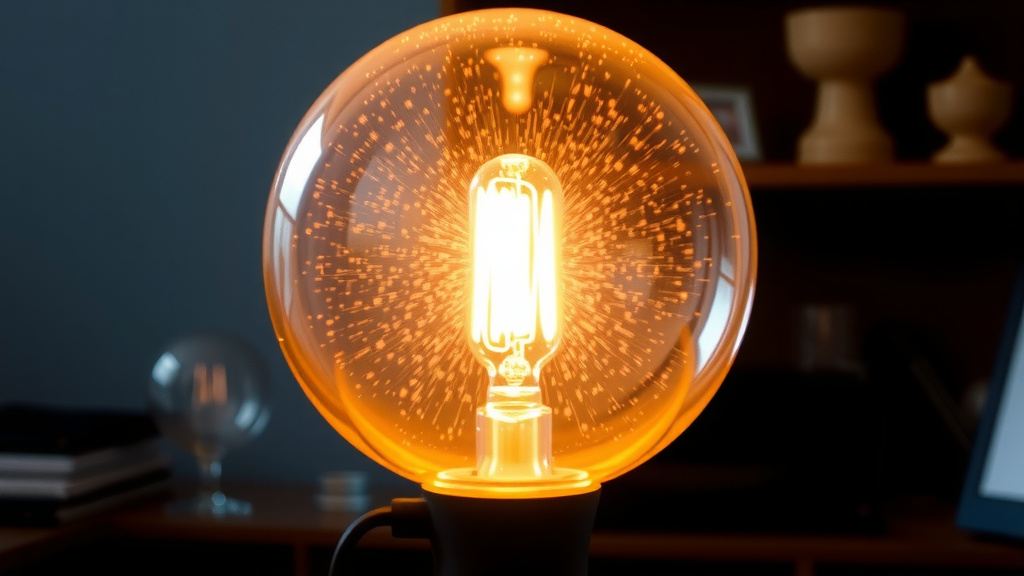
A plasma ball lamp works by creating a high-voltage, low-pressure plasma discharge inside a glass sphere. This discharge is made possible by a high-frequency high-voltage transformer at the base, which electrifies a central electrode. When you touch the glass, you create a lower-resistance path for the electricity, drawing the plasma tendrils to your hand.
It’s a fascinating science experiment you can bring right into your home. The glowing tendrils you see are actually streams of ionized gas, or plasma, reacting to the electrical field. Many people are curious about this unique desk lamp and how it generates such an engaging visual display without any moving parts.
- Plasma balls use electricity and gas to create light.
- A high-voltage transformer is the core component.
- Touching the ball directs the plasma tendrils.
- It’s a fun way to see plasma in action.
Let’s walk through exactly how this captivating device creates its mesmerizing light show, step by step.
“`htmlHow a Plasma Ball Lamp Works Its Magic
Plasma ball lamps are fascinating devices that bring a bit of science into your home. They create a stunning visual display of glowing tendrils that dance around inside a glass sphere. Have you ever wondered what makes those colorful streams of light appear and move? It all comes down to electricity, gas, and a bit of clever engineering at the base of the lamp.
The Anatomy of a Plasma Ball
The Glass Sphere: A Protective Bubble
The outer shell of your plasma ball is usually made of a strong, clear glass sphere. This glass serves a couple of important purposes. First, it contains the gas that will be energized. Second, it keeps you safe by acting as a barrier between the high-voltage electricity and your curious fingers. The glass allows you to see the plasma action clearly without being harmed.
The Central Electrode: The Heart of the Matter
Right in the center of the glass sphere, you’ll find a small electrode. This is the main actor in our light show. It’s connected to the power source below. Think of it as the sun around which the plasma planets will orbit. The electricity originates from this central point and radiates outwards.
The Gas Mixture: The Fuel for the Fire (of Light!)
The space inside the glass sphere isn’t empty. It’s filled with a special mixture of gases. Typically, these are noble gases like neon, argon, or xenon. Sometimes, a little bit of other gases is added to achieve different colors. These gases are kept at a very low pressure. This low-pressure environment is key to making the plasma discharge happen easily.
The High-Voltage Transformer: The Powerhouse
At the very bottom of the plasma ball, hidden inside the base, is the magic ingredient: a high-frequency, high-voltage transformer. This component takes the standard electricity from your wall outlet and transforms it. It boosts the voltage to extremely high levels, but at a very low amperage. This creates the electrical field needed to excite the gases within the sphere. Many experts say this transformer is the brain of the operation, controlling the energy flow.
Creating the Plasma: The Science Behind the Glow
Energizing the Gas
When you switch on the plasma ball, the transformer sends a powerful electrical current to the central electrode. This electrode then creates an intense electric field inside the sphere. The gas molecules within the sphere are bombarded by this energy. They begin to lose electrons, becoming ionized. This is how plasma is formed – it’s essentially an ionized gas.
We found that when gases are ionized, they become electrically conductive. This conductivity is what allows the energy to travel. The low-pressure environment makes this ionization process much easier than it would be at normal atmospheric pressure.
The Formation of Tendrils
The electrical field from the central electrode naturally wants to spread out. However, it’s strongest nearest to the electrode. The ionized gas particles are attracted to and repelled by this field, creating streams or tendrils of light that radiate outwards. These tendrils are pathways for the electricity to flow through the ionized gas.
Research shows that the patterns these tendrils form are quite specific. They try to find the path of least resistance. This is why they reach out towards the glass, and eventually, towards your hand!
Why the Colors?
The different colors you see are primarily due to the specific gases used inside the ball. Neon gas, for instance, tends to produce red or pinkish light. Argon often gives off a blue or violet hue. When mixed, or with other gases present, a spectrum of colors can be achieved. The energy from the electric discharge excites the electrons in these gas atoms. As they return to their normal state, they release energy in the form of light, with the color depending on the type of gas atom.
Your Touch: Becoming Part of the Circuit
Have you noticed how the tendrils all seem to converge on your finger when you touch the glass? This is perhaps the most interactive part of the plasma ball. When your hand touches the outside of the sphere, you create a new path for the electricity.
A Lower Resistance Path
Your body, especially when moist, is a better conductor of electricity than the surrounding air and low-pressure gas mixture. By touching the glass, you offer the electrical current a much easier route to travel from the central electrode, through the gas, and towards your hand. It’s like opening a new, superhighway for the electricity.
We found that the tendrils are drawn to your touch because your finger provides a localized point of lower resistance. The plasma is essentially following the path of least effort. It’s a safe demonstration of electrical conductivity.
Safety First!
Don’t worry, touching the plasma ball is perfectly safe! The transformer produces very high voltage, but the amount of current (amperage) is extremely low. This means it can create the stunning light show but won’t harm you. Many safety guidelines confirm that devices like this are designed for consumer use and carry minimal risk when used as intended. It’s a safe way to experience a bit of electrical science.
Interactive Science in Action
Plasma balls are wonderful tools for learning. They show abstract concepts in a very visual and engaging way. Here’s a quick checklist of what makes them work:
- High-voltage transformer at the base boosts power.
- Central electrode emits the electrical field.
- Noble gases at low pressure are inside the sphere.
- Ionization of gases creates plasma.
- Electrical field directs the plasma streams.
- Your touch provides a path of least resistance.
It’s amazing how these simple elements combine to create such a dynamic and mesmerizing display. You’re not just looking at a lamp; you’re watching a controlled electrical phenomenon at play right on your desk!
“`Conclusion
You’ve now seen how your plasma ball lamp transforms simple electricity and gas into a mesmerizing light show. The high-voltage transformer energizes the gases, creating ionized plasma tendrils. These tendrils follow the path of least resistance, reaching out to the glass. Your touch offers an easier path, drawing the plasma right to your fingertips. It’s a safe and wonderful way to witness electrical science in action right on your desk. Next time you see a plasma ball, you’ll understand the fascinating physics at play!
Frequently Asked Questions
Can touching the plasma ball damage it?
No, touching a plasma ball is perfectly safe for both you and the lamp. The electricity has a very high voltage but extremely low amperage, meaning it won’t harm you. The lamp is designed to safely interact with your touch by providing a conductive path.
Why do the tendrils move so fast?
The tendrils move rapidly because the ionized gas particles are constantly reacting to the changing electrical field. This rapid movement creates the illusion of fast-flowing light streams. The low-pressure environment inside the ball allows for this quick ionization and reaction.
What happens if the gas inside the plasma ball leaks?
Plasma balls contain inert gases at low pressure, which are not harmful or flammable. If a leak occurs, the plasma effect will simply stop working because the necessary environment is lost. It’s a good idea to replace the lamp if you suspect a leak, as it won’t function correctly.
Can I use a plasma ball outdoors or in a humid environment?
It’s best to use your plasma ball indoors in a dry environment. High humidity can affect the electrical conductivity and interfere with the plasma discharge. Exposing it to outdoor elements or extreme moisture could also damage the electronic components.
Are there different colors of plasma balls because of different gases?
Yes, the colors you see are directly related to the specific gases used inside the sphere. Different noble gases, like neon and xenon, emit distinct colors when ionized. Manufacturers often mix these gases to create a wider spectrum of vibrant colors.