How a Paraffin Lamp Works: The Science Behind the Flame
A paraffin lamp works by drawing up lamp oil, or paraffin, through a wick via capillary action. The heat from the flame then vaporizes the oil. This vapor mixes with air and burns, producing light and heat. It’s a simple, elegant process that’s been used for centuries to illuminate our homes.
Think of it like a tiny, controlled fire powered by liquid fuel. The wick acts like a straw, sucking up the oil. The real magic happens when that oil turns into a gas and then catches fire. Many people love paraffin lamps for their warm, ambient glow, making them popular for power outages or a cozy atmosphere. It’s a clever bit of science in action.
- Paraffin lamps use a wick to draw up lamp oil.
- Heat from the flame vaporizes the oil.
- The vapor then burns, creating light.
- It’s a simple, effective way to produce light.
Ready to understand the science behind this classic light source? Let’s break down exactly how your paraffin lamp turns simple oil into a beautiful flame.
How Your Paraffin Lamp Creates Light
It’s really quite clever how a paraffin lamp works. You fill it with special lamp oil, also called paraffin oil. This oil then travels up a wick. The flame heats the oil, turning it into a gas. This gas mixes with air and then burns. That burning gas is what produces the light and heat you enjoy. To understand this process better, learn how kerosene lamps work.
The Essential Components of a Paraffin Lamp
Before we dive deeper, let’s quickly look at the main parts you’ll find on most paraffin lamps. Knowing these helps understand the process better.
The Reservoir: Holding the Fuel
This is the base of your lamp. It’s essentially a tank designed to safely hold the paraffin oil. Think of it as the lamp’s fuel tank. It needs to be sturdy and leak-proof to prevent any spills or accidents. The size of the reservoir will determine how long your lamp can burn before needing a refill.
The Wick: The Fuel’s Highway
The wick is usually made of braided cotton. It’s threaded through a metal holder that screws into the top of the reservoir. Its job is to soak up the paraffin oil like a sponge. Without a good wick, the oil can’t reach the flame properly. You’ll need to trim the wick occasionally to keep the flame at its best.
The Burner Assembly: Controlling the Flame
This is the part that holds the wick and allows you to adjust the flame size. It often includes a metal chimney or sleeve that surrounds the wick. This helps direct airflow and stabilize the flame. Some burners have a small knob or wheel you can turn. This lets you raise or lower the wick, controlling the brightness of the light.
The Chimney: A Glass Shield for the Flame
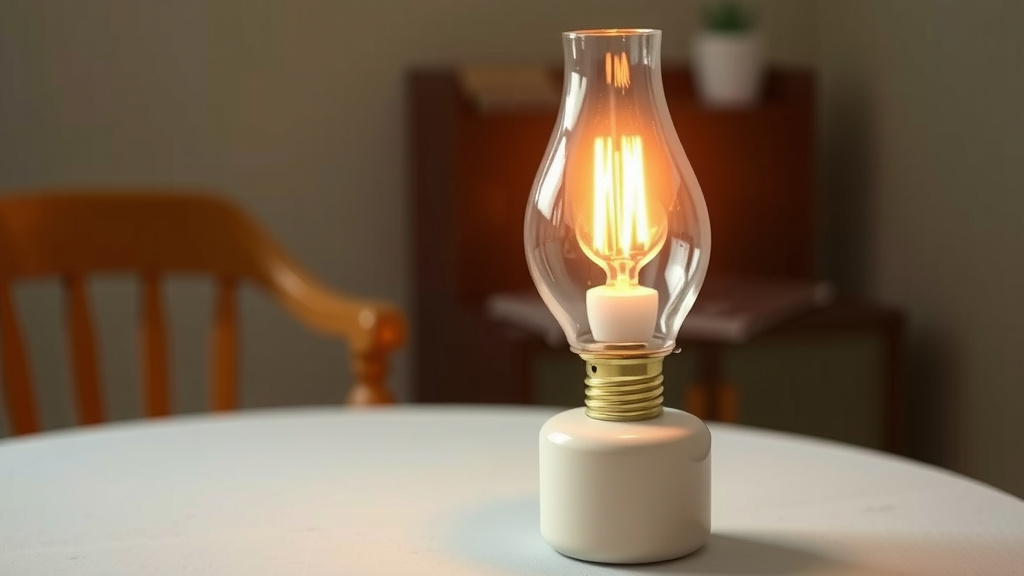
The glass chimney is a distinctive feature of most paraffin lamps. It sits atop the burner assembly. Its main purpose is to protect the flame from drafts. It also helps draw air upwards, which is essential for a clean and steady burn. Many chimneys are made of heat-resistant glass like borosilicate glass to prevent cracking.
Understanding the Science: Capillary Action and Combustion
The operation of a paraffin lamp relies on two fundamental scientific principles. They work together to produce light from oil.
Capillary Action: The Wick’s Magic Trick
Have you ever seen water climb up a paper towel? That’s capillary action at work. It’s the same principle that helps your paraffin lamp draw oil upwards. Tiny spaces within the wick’s fibers create a surface tension. This tension pulls the liquid fuel up, against gravity. The thinner the fibers and the smaller the spaces, the better the capillary action. Research shows this phenomenon is crucial for many natural processes, like water transport in plants (NCBI).
The wick acts as a precise channel. It continuously supplies the fuel to the point where it will be burned. This steady supply is key to a consistent flame. Without capillary action, the oil would just sit in the reservoir and not reach the flame at all.
Combustion: Turning Fuel into Light
Once the oil reaches the top of the wick, the heat from the existing flame starts to vaporize it. It turns the liquid oil into a flammable gas. This vapor then mixes with the oxygen in the air. When this mixture gets hot enough, it ignites and burns. This burning is called combustion. It’s a chemical reaction that releases energy.
The result of this combustion is light and heat. The intensity of the flame depends on how much fuel vapor is available and how much air is present. Adjusting the wick or the burner controls how much fuel gets vaporized and burned. You are essentially controlling the rate of combustion.
Troubleshooting Common Paraffin Lamp Issues
Sometimes, your paraffin lamp might not perform as expected. Here are a few common problems and what might be causing them.
Smoky or Flickering Flame: What’s Going On?
A smoky or flickering flame often means there’s an issue with the fuel-air mixture. It could be that the wick is trimmed too high. This means too much oil is being vaporized, and there isn’t enough air to burn it cleanly. You might see black soot forming. Another cause could be a dirty wick. If the top of the wick becomes carbonized, it won’t draw fuel efficiently.
We found that cleaning the burner assembly and trimming the wick can often solve this. Ensure the glass chimney is also clean and properly seated. Good airflow is essential for a steady flame. Drafts can also cause flickering. Try moving the lamp to a less breezy spot.
Weak or Dim Light: Needs More Oomph?
If your lamp is producing a dim light, it’s usually a fuel supply issue. The wick might be too low, meaning less fuel is reaching the flame. Check if the wick needs to be raised. Alternatively, the wick itself might be worn out or not drawing oil effectively. Some wicks can become glazed over time.
We also found that using the wrong type of oil can affect brightness. Always use a high-quality paraffin lamp oil. Cheaper oils might not vaporize as cleanly or efficiently. Make sure your reservoir is filled with enough oil, too. A low oil level means less fuel can be drawn up.
Smell or Odor: The Unpleasant Side Effect
A slight odor when using a paraffin lamp is normal, especially when first lighting it or extinguishing the flame. However, a strong, persistent smell often indicates incomplete combustion. This means the fuel isn’t burning efficiently. This can happen if the wick is not trimmed properly or if the burner is clogged.
Many experts suggest using a good quality, deodorized paraffin oil. These are specifically designed to burn cleanly. Ensure your lamp is well-maintained. Keeping the wick trimmed and the burner clean is your best defense against unpleasant smells. Proper ventilation is also key. Never use a paraffin lamp in a completely sealed room.
Maintaining Your Paraffin Lamp for Optimal Performance
Just like any tool, your paraffin lamp needs a little care to keep it working beautifully. Regular maintenance is simple and makes a big difference.
- Trim the wick regularly for a clean flame.
- Clean the glass chimney and burner parts.
- Use only high-quality paraffin lamp oil.
- Store oil in a cool, dark place.
- Check for any signs of wear or damage.
Conclusion
You now understand how your paraffin lamp transforms oil into light. It’s a fascinating interplay of capillary action and controlled combustion. The wick expertly draws fuel, while the burner and chimney ensure a steady flame. Regular maintenance, like trimming the wick and cleaning components, keeps your lamp performing at its best. This classic lighting method offers a unique warmth. Ready to enjoy your lamp? Ensure you’re using the right oil and your lamp is clean for the most enjoyable experience.
Frequently Asked Questions
Can I use regular kerosene in a paraffin lamp?
It’s best to stick to paraffin lamp oil. Kerosene can be more volatile and produce more smoke and odor. Using the correct fuel ensures a cleaner, safer burn and protects your lamp’s components from damage.
How often should I trim the wick?
You should trim the wick whenever you notice it starts to look uneven or charred, typically every few hours of use. Trimming it to about 1/4 inch above the burner helps prevent smoky flames and ensures a steady light.
Why does my paraffin lamp smell so bad?
A strong smell usually means incomplete combustion. This can happen if the wick is too high, the wick is dirty or worn out, or you’re not using a good quality, deodorized paraffin oil. Ensuring proper airflow and using the right fuel can greatly reduce odors.
How long will a full reservoir of oil last?
The burn time depends on the size of your lamp’s reservoir and how high you set the wick. A typical medium-sized lamp might burn for 6 to 12 hours on a full tank. Adjusting the flame lower will extend the burn time.
Is it safe to use a paraffin lamp during a power outage?
Yes, paraffin lamps are excellent for power outages. However, always place them on a stable, heat-resistant surface away from flammable materials. Ensure good ventilation in the room and never leave a lit lamp unattended.