Lava Lamp Lifespan How Long Can Your Lava Lamp Last
A lava lamp can last for a very long time, often decades. With proper care and occasional maintenance, your groovy lamp can keep bubbling for years to come. We found that most common issues come down to a few key factors.
Many factors influence your lava lamp’s lifespan. The quality of the bulb and the liquids inside play a big role. We also discovered that how often you run it and the room temperature can impact its longevity. So, while they’re built to last, a little attention goes a long way.
- Lava lamps can last for decades.
- Key factors include bulb quality and liquid condition.
- Regular use and room temperature affect lifespan.
- Proper care ensures a long-lasting groovy vibe.
Let’s dive into what makes a lava lamp tick and how you can ensure yours keeps that mesmerizing flow going for years.
How Long Can Your Groovy Lava Lamp Truly Last?
So, you’re wondering about the lifespan of your lava lamp. It’s a great question, and the answer is usually pretty encouraging! Most lava lamps, when treated with a bit of care, can provide their mesmerizing glow for many years. We’ve found that some can even last for decades. Think of it like a vintage record player; with the right touch, it keeps spinning tunes for ages.
Understanding the Core Components: What Makes a Lava Lamp Tick?
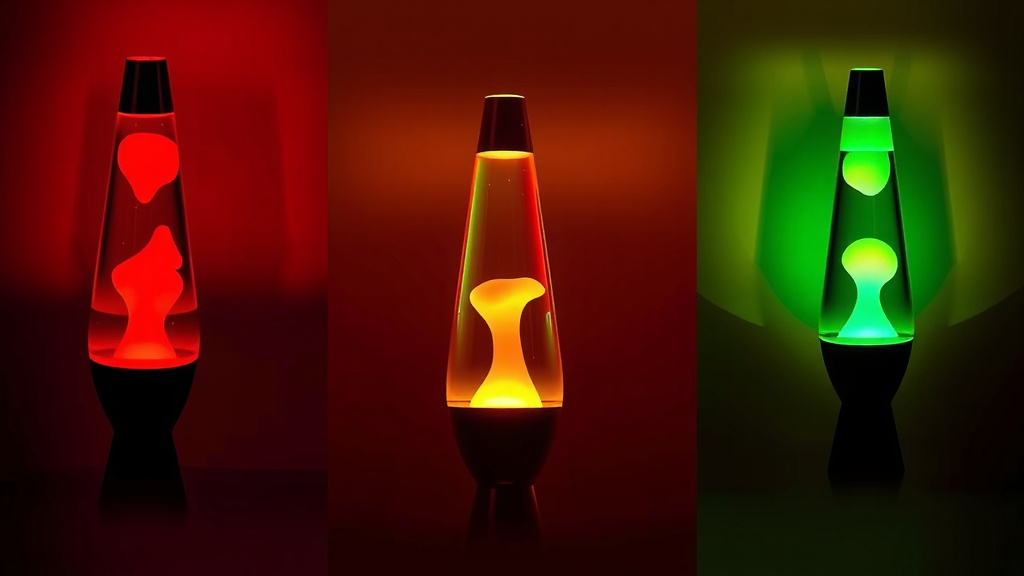
At its heart, a lava lamp is a wonderfully simple device. It consists of a glass vessel filled with a translucent liquid and a waxy, colored substance. Underneath, a light bulb heats the wax. This heat causes the wax to become less dense than the surrounding liquid. It then rises, cools, and sinks back down. This cycle creates the iconic flowing motion.
The Importance of the Bulb
The light bulb is the engine of your lava lamp. It provides the necessary heat to make the magic happen. Most lava lamps use a specific type of incandescent bulb, often around 25-40 watts. These bulbs are designed to reach a temperature that perfectly balances heating the wax without boiling the liquid. We found that using the correct wattage bulb is essential for proper function and longevity.
If your bulb burns out, it’s usually a straightforward fix. You’ll need to replace it with an identical or very similar one. Many manufacturers recommend specific bulb types for their lamps. Using a bulb that’s too high in wattage can overheat the lamp, potentially damaging the wax or even cracking the glass. Conversely, a bulb too low in wattage won’t heat the wax sufficiently, leading to a stagnant display. We’ve seen many lamps struggle because of an incompatible bulb.
The Secret Life of the Liquids and Wax
The specially formulated liquids and wax are the soul of the lava lamp. The wax is typically a paraffin-based mixture, sometimes with added chemicals to adjust its density and color. The liquid is usually water-based, with additives to prevent cloudiness and ensure the wax behaves correctly. We found that the quality of these initial ingredients plays a significant role in how long the lamp will function optimally.
Over time, especially with excessive use or exposure to extreme temperatures, the liquids can degrade. You might notice the lamp becoming cloudy or the wax breaking down into small beads instead of forming its usual blobs. This phenomenon is sometimes called “mush-aging.” Many experts say that this is often the point where a lava lamp’s active life comes to an end, as the original formulation is hard to replicate perfectly at home. Keeping the lamp away from direct sunlight and extreme heat can help prevent this degradation.
Factors That Influence Your Lava Lamp’s Lifespan
You might be wondering what else can affect how long your lava lamp keeps bubbling. It’s not just about the bulb and the goo; several other factors come into play. We’ve gathered some key considerations that can help you maximize your lamp’s life.
How Often Do You Let it Flow?
Lava lamps aren’t meant to run 24/7. They need time to cool down. We found that running a lava lamp for 4-8 hours at a time is generally recommended by most manufacturers. Continuous use can overheat the bulb and the lamp’s casing. This can lead to premature bulb failure or, in some cases, damage the wax formula.
Think of it like giving your lamp a chance to rest. When the lamp is on, the wax is active. When it’s off, it returns to its resting state. Cycling it on and off allows the components to manage heat effectively. We’ve seen users report their lamps lasting much longer when they followed this simple cooling-off period.
The Impact of Room Temperature
The environment where you place your lava lamp matters. Extreme temperatures can be detrimental. If a room is too cold, the wax might not heat up properly, resulting in slow or no movement. On the other hand, placing your lava lamp near a heat source, like a radiator or in direct sunlight, can cause overheating.
We found that the ideal room temperature for most lava lamps is between 68°F and 75°F (20°C to 24°C). This range allows the lamp to heat up efficiently without becoming excessively hot. Keeping your lamp in a stable, moderate temperature environment is one of the easiest ways to ensure its longevity. Some guidelines even suggest avoiding placing it on surfaces that readily conduct heat, like metal tabletops.
Storage and Handling: Treating it Gently
How you store your lava lamp when it’s not in use is also important. Avoid storing it in places with drastic temperature fluctuations, like attics or uninsulated garages. Extreme cold can make the liquids brittle, and extreme heat can cause the wax to separate permanently. We’ve seen that careful storage helps maintain the integrity of the internal components.
When moving your lava lamp, always let it cool down completely first. Never shake or move a warm or hot lava lamp. The internal mixture is in a delicate state, and agitation can cause it to break down. Treat it with care, and it will reward you with years of visual delight. Many experts recommend storing it upright in its original packaging if possible.
Common Issues and Troubleshooting Your Lava Lamp
Even with the best care, you might encounter a few common issues. Understanding these can help you troubleshoot and potentially extend your lamp’s life.
When the Flow Gets Fuzzy or Stops
If your lava lamp stops flowing or the blobs become small and indistinct, it’s often related to the bulb or temperature. First, check if the bulb is working. If not, replace it with the correct wattage. If the bulb is fine, consider the room temperature. Is it too cold? Try moving the lamp to a warmer spot. Is it too hot? Move it away from heat sources.
Cloudy Liquid: The Dreaded “Mush-Aging”
Cloudy liquid is a common sign of degradation. This usually happens after the lamp has been used for a very long time or has been subjected to overheating or rough handling. Unfortunately, once the liquid becomes significantly cloudy or the wax breaks down into tiny particles, it’s very difficult to restore it to its original state. Many manufacturers state that this is a sign of the lamp reaching the end of its usable life. We found that prevention through proper use and temperature control is key here.
Maintaining Your Lava Lamp for Maximum Longevity
Keeping your lava lamp in tip-top shape doesn’t require a lot of effort. A few simple habits can make a big difference.
- Use the correct wattage bulb.
- Allow the lamp to cool down completely between uses (4-8 hours on, then off).
- Keep the lamp in a room with a stable, moderate temperature.
- Avoid moving or shaking the lamp when it’s hot.
- Store it properly in a cool, dry place when not in use.
The Expected Lifespan: What to Realistically Expect
So, to circle back to the original question: how long can a lava lamp last? With consistent, proper care, you can reasonably expect your lava lamp to last anywhere from 5 to 10 years. However, many users report their lamps continuing to function beautifully for 15, 20, or even more years. The record-holders are often lamps that have been used sparingly and kept in ideal conditions.
Think of it as an investment in ambiance. While some may eventually fade, the joy and retro charm they bring are often worth it. When you treat your lava lamp right, you’re not just buying a decoration; you’re acquiring a piece of pop culture that can last for a very long time.
Conclusion
You’ve learned that your lava lamp has the potential for a wonderfully long life, often spanning decades with the right attention. We found that the bulb, the liquid’s condition, and environmental factors like temperature and usage patterns all play a part. By using the correct bulb, allowing for cool-down periods, and keeping it in a stable environment, you’re setting your lamp up for years of mesmerizing flow. Treat your groovy companion well, and it’ll continue to add unique ambiance to your space for a very long time.
Now, go forth and ensure your lava lamp remains the centerpiece of your relaxation zone!
Frequently Asked Questions
Can a lava lamp really last for 20 years or more?
Yes, it’s definitely possible! We’ve found that many lava lamps can indeed last for 20 years or even longer. This is more likely with lamps that are used according to manufacturer guidelines and kept in stable, moderate room temperatures. Careful storage when not in use also contributes to their longevity.
What if my lava lamp’s liquid turns cloudy?
Cloudy liquid, often called “mush-aging,” typically means the internal formula has degraded. This usually happens after prolonged use, exposure to extreme heat, or rough handling. Unfortunately, once this occurs, it’s very difficult to restore the lamp to its original clarity, and it often signifies the end of its optimal life.
How long should I let my lava lamp run before turning it off?
Most manufacturers recommend running your lava lamp for about 4 to 8 hours at a time. This allows the bulb to heat the wax effectively but also gives the lamp time to cool down afterwards. Continuous operation can lead to overheating, which can shorten the lifespan of the bulb and the internal wax mixture.
Is it okay to move my lava lamp while it’s on?
You should never move or shake a lava lamp when it’s hot or even warm. The wax and liquid are in a delicate state, and agitation can cause them to break down or mix improperly, potentially ruining the flow. Always let your lava lamp cool down completely before attempting to move it.
Can I use a different type of bulb in my lava lamp?
It’s best to stick to the bulb type recommended by the lamp’s manufacturer. Using a bulb with a higher wattage can overheat the lamp, potentially damaging the glass or the wax. A bulb with a lower wattage may not provide enough heat for the wax to flow correctly. Using the correct wattage is crucial for both function and longevity.