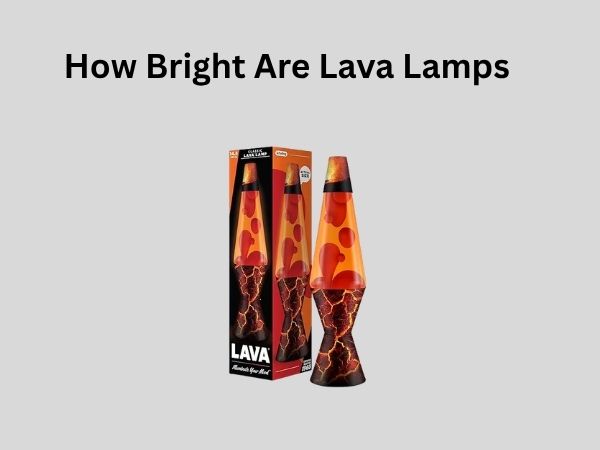
Retro Glow: How Bright Are Lava Lamps Really?
When you think about lava lamps, what comes to mind? For many of us, it’s that mesmerizing, groovy glow from the 1970s—the kind of ambient lighting that made you feel like you were perpetually stuck in a time warp of pure nostalgia. But here’s the thing: have you ever actually wondered just how bright these iconic fixtures really are? It’s a question that doesn’t get asked often enough, and honestly, the answer might surprise you.
Let me be straightforward with you. Lava lamps aren’t exactly the powerhouses of the lighting world. They’re more like the ambient underachievers that somehow manage to be incredibly charming despite their limitations. So if you’re considering grabbing one for your space, or you’re just curious about what you’re actually getting into, stick around. We’re about to break down everything you need to know about lava lamp brightness and whether they’ll actually light up your room or just create that dreamy, dim atmosphere you see in the movies.
Understanding Lava Lamp Brightness: The Basics
Before we dive into the nitty-gritty of lumens and wattage, let’s establish what we’re actually talking about here. Brightness, when we’re discussing lighting, typically refers to how much visible light a fixture produces. For lava lamps, this measurement becomes a bit tricky because they’re not designed to be your primary light source. Think of them as the mood ring of the lighting world—they’re there to set a vibe, not to illuminate your entire bedroom so you can read a novel.
Most traditional lava lamps operate at somewhere between 25 and 40 watts. Now, if you’re comparing that to a standard incandescent bulb, which might be 60 watts, you’re already looking at something significantly dimmer. It’s like comparing a whisper to a shout—technically, they’re both using your vocal cords, but the output is completely different.
The Wattage Factor: What Does It Really Mean?
Here’s where things get interesting. The wattage of a lava lamp tells you how much energy it’s consuming, but it doesn’t necessarily tell you everything about how bright it actually is. A 40-watt lava lamp isn’t going to produce the same amount of light as a 40-watt incandescent bulb. Why? Because incandescent bulbs are designed to convert electrical energy into visible light as efficiently as possible, while lava lamps have a fundamentally different purpose.
The heat in a lava lamp serves a dual function: it warms the wax to make it flow and bubble, but it also creates the glow. A significant portion of that electrical energy goes into creating heat rather than pure brightness. So when you’re looking at the wattage, understand that you’re not getting direct light output—you’re getting mood creation.
Lumens: The Real Measure of Brightness
If you really want to understand how bright something is, you need to talk about lumens. A lumen is a unit of measurement that tells you the actual amount of visible light emitted by a source. Most quality lava lamps produce somewhere between 10 and 40 lumens of light. To put that in perspective, a standard 60-watt incandescent bulb produces around 800 lumens. Yeah, you’re reading that correctly. That’s a massive difference.
Think about it this way: if you were comparing brightness on a scale where a traditional light bulb is a 10, a lava lamp would be more like a 0.5 to 1. They’re genuinely dim, but that’s precisely what makes them work. They’re not trying to illuminate your space; they’re trying to create an atmosphere.
Why Lumens Matter for Your Decisions
Understanding lumen output is crucial if you’re trying to figure out whether a lava lamp will work for your needs. If you’re hoping to use one as a reading light or as your primary source of illumination in a room, you’re going to be disappointed. However, if you’re looking for something to create a relaxing, visually interesting backdrop while you’re using other lighting sources, then you’re absolutely on the right track.
The beauty of lava lamps is that their low lumen output is actually a feature, not a bug. It means you can leave them on all evening without worrying about your electricity bill skyrocketing, and you won’t end up with harsh shadows or that sterile feeling you get from overly bright overhead lighting.
Types of Lava Lamps and Their Brightness Variations
Not all lava lamps are created equal. Just like snowflakes or fingerprints, each type has its own unique characteristics, and that includes their brightness levels.
Classic Incandescent Lava Lamps
These are the original, tried-and-true models that have been around since the 1960s. They typically use a standard incandescent bulb inside, usually ranging from 25 to 40 watts. The bulb sits above the wax chamber and heats it from above, causing the colored wax to rise and fall in that hypnotic dance we all know and love. Brightness-wise, these produce that warm, golden glow that’s definitely more atmospheric than functional.
LED Lava Lamps: The Modern Revolution
Then you’ve got the newer LED versions that have started appearing on the market. These use LED bulbs instead of traditional incandescent ones, which means they’re more energy-efficient and they run cooler. Here’s the kicker, though: LED lava lamps typically produce about the same amount of visible light as their incandescent cousins, sometimes even less because LED bulbs are designed differently.
The advantage of LED lamps isn’t really about brightness—it’s about longevity and energy savings. You can run them longer without worrying as much about your electric bill, and the bulbs last significantly longer than incandescent options.
Giant Floor Lamps: Bigger Doesn’t Always Mean Brighter
You might think that those massive floor-standing lava lamps would be significantly brighter, right? Wrong. While they might have more visual impact due to their sheer size, their brightness level doesn’t scale proportionally. A giant lava lamp might produce 50 to 60 lumens if you’re lucky, which still puts it squarely in the “mood lighting” category rather than “functional lighting.”
Comparing Lava Lamp Brightness to Other Light Sources
Let’s put some context around this whole brightness thing by comparing lava lamps to other light sources you might have in your home.
- Standard 60-Watt Incandescent Bulb: Produces around 800 lumens. This is your baseline household lighting.
- Standard LED Bulb (equivalent to 60W): Produces around 800 lumens with significantly less energy consumption.
- Classic Lava Lamp (25-40W): Produces 10-40 lumens. That’s roughly 2-4% of a standard household bulb.
- Candlelight: Produces approximately 12 lumens. Yes, a lava lamp is roughly equivalent to having a few candles burning.
- Smartphone Flashlight: Produces around 50-100 lumens depending on the model. So your phone is potentially brighter than your lava lamp.
When you line them up like this, it really hammers home just how dim lava lamps actually are. But again, that’s not a criticism—it’s just the reality of what these devices are designed to do.
The Color Factor: How It Affects Perceived Brightness
Here’s something really interesting that doesn’t get discussed enough: the color of your lava lamp actually affects how bright it appears to your eyes, even if the actual lumen output is the same. This is due to something called photopic luminosity, which essentially means your eyes are more sensitive to certain wavelengths of light than others.
Red and Orange Lava Lamps
Red and orange lava lamps tend to appear dimmer than they actually are because the human eye is less sensitive to these wavelengths. Even if you have a red lava lamp producing 30 lumens, it might feel like it’s producing less light compared to a cooler-colored lamp with the same output.
Yellow and White Lava Lamps
On the flip side, yellow and white lava lamps tend to appear brighter than their red counterparts, even with identical lumen production. This is because our eyes are naturally more sensitive to yellow and white light. If you want a lava lamp that seems to have maximum perceived brightness, you’d want to go with one of these cooler tones.
Multi-Color and Rainbow Options
The newer multi-color LED lava lamps that change colors add another dimension to this discussion. The brightness perception shifts as the colors change, which creates an interesting dynamic effect. It’s one of those features that sounds cool but doesn’t necessarily change the fundamental brightness level of the device.
Room Size and Brightness Perception
Here’s something counterintuitive: the brightness of your lava lamp is heavily dependent on the size of your room. Place a standard lava lamp in a tiny bedroom, and it might actually feel reasonably bright because it’s filling a smaller space with light. Put that same lamp in a spacious living room, and it’s going to feel downright dim.
This is basic physics at work. Light spreads out as it travels, so the farther it has to go to fill a space, the less intense it becomes. A 30-lumen source is going to feel noticeably brighter in a 100-square-foot room than it will in a 300-square-foot room.
Optimal Room Conditions for Lava Lamp Lighting
- Small Bedrooms: 80-120 square feet. Perfect for lava lamp mood lighting.
- Studio Apartments or Dorm Rooms: 200-300 square feet. Still workable, especially in the evenings.
- Large Living Rooms: 400+ square feet. Lava lamps work better as accent lighting here.
Practical Uses: Where Lava Lamps Actually Shine
Let’s get real about where lava lamps actually make sense in a modern home or office setting.
As Accent Lighting in Bedrooms
This is probably the most popular use for lava lamps. They’re perfect for creating a relaxing environment before bed. The gentle, warm glow helps signal to your body that it’s time to wind down. They’re also dim enough that they won’t interrupt your sleep if you leave them on.
Gaming and Entertainment Spaces
Many people put lava lamps in gaming rooms or entertainment spaces. They don’t provide bright enough light to interfere with screen visibility, but they add personality and atmosphere to the room. It’s the perfect sweet spot for creating an immersive environment without the hassle of managing harsh shadows.
Creative Workspaces and Studios
Some artists and creative professionals swear by lava lamps for inspiration and focus. The gentle, moving light provides visual interest without being distracting. It’s ambient creativity fuel.
Where They DON’T Work Well
Let’s be clear about the limitations. Lava lamps aren’t suitable as primary lighting for kitchens, bathrooms, or any space where you need to see clearly for safety or task purposes. They won’t work for reading detailed material, doing crafts that require precision, or any situation where you need proper illumination.
Heat Output and Its Relationship to Brightness
Here’s something that ties brightness and functionality together: the heat a lava lamp produces is inextricably linked to how bright it gets. The bulb needs to heat up the wax to make it flow, and that’s where most of the energy goes. This is why lava lamps get warm to the touch—it’s a feature of their design, not a bug.
The trade-off is clear: you get amazing visual effects and mood lighting, but you sacrifice raw brightness because the energy is primarily going toward heat generation. It’s a deliberate design choice that’s been validated by decades of popularity.
Safety Considerations Related to Heat
Because lava lamps do generate significant heat, there are some safety considerations worth noting:
- Never cover your lava lamp with anything that could trap heat
- Keep it away from flammable materials
- Allow it to cool before moving it
- Don’t touch the lamp itself when it’s been running
- Keep it out of reach of children and pets
Modern Improvements in Lava Lamp Brightness Technology
While traditional lava lamps have remained relatively consistent in their brightness output, manufacturers have been experimenting with ways to improve the experience without sacrificing the classic aesthetic.
Brighter LED Options
Some modern LED lava lamps now come with higher-output LED bulbs that can produce up to 50-60 lumens while using less energy than their incandescent predecessors. It’s not a massive jump in absolute terms, but it’s noticeable.
Reflective Interior Designs
Newer models sometimes feature reflective interiors that bounce light around more efficiently, making the glow appear brighter even if the actual lumen output is similar. It’s a clever design trick that shows how innovation is happening even in this classic product category.
Hybrid Lighting Systems
Some manufacturers now offer lava lamps with additional ambient lighting features built around the base or integrated into the structure. These don’t make the lava lamp itself brighter, but they augment the overall lighting scheme with additional sources.
Making the Most of Your Lava Lamp Brightness
If you do decide to get a lava lamp, here are some practical tips for maximizing the brightness and visual impact you get from it.
- Use it in conjunction with other lighting: Don’t expect it to be your only light source. Pair it with dimmable overhead lighting or other fixtures.
- Position it strategically: Place your lava lamp where it can be the focal point of the room, and consider the wall color behind it to maximize visual contrast.
- Keep the area clean: Dust on or around your lava lamp will reduce the perceived brightness. Regular dusting makes a noticeable difference.
- Use it in darker rooms: The darker your room, the more impactful the lava lamp’s brightness will be.
- Consider ambient conditions: Using it when it’s already dark outside maximizes its perceived brightness.
- Choose the right color: As we discussed earlier, warmer colors might appear dimmer, so consider your preference for both aesthetics and brightness perception.
Comparing Brightness: Lava Lamps vs. Modern Smart Lights
In today’s world of smart home technology, it’s worth comparing lava lamps to modern alternatives like smart bulbs and wireless lighting systems. Smart lights can provide vastly more brightness—we’re talking 800-2000 lumens for quality options—and they offer programmable colors and brightness levels.
But here’s the thing: a lava lamp isn’t trying to compete with smart lights. They serve different purposes. A smart light is a tool. A lava lamp is a statement piece. It’s retro-futuristic design that serves an aesthetic function first and a lighting function second. Some people have both—a smart lighting system for practical needs and a lava lamp for atmosphere.

![10 Best Candle Warmer Lamp Ikea [2026]](https://bestdesklamp.com/wp-content/uploads/2026/08/10-best-candle-warmer-lamp-ikea-2026-featured-768x432.jpg)
![10 Best Bed Lamp [2026]](https://bestdesklamp.com/wp-content/uploads/2026/08/10-best-bed-lamp-2026-featured-768x432.jpg)
![10 Best Adjustable Desk Lamp [2026]](https://bestdesklamp.com/wp-content/uploads/2026/09/10-best-adjustable-desk-lamp-2026-featured-768x432.jpg)