How Mood Lamps Work: The Science of Light Therapy
Mood lamps work by using LED technology and specialized internal components to create different colors and light effects. These lamps can cycle through a spectrum of colors or be set to a specific hue, all controlled through a simple interface or a remote. They are designed to influence your mood through the power of light. Your mood can be gently nudged by the colors these lamps emit.
Beyond just changing colors, many mood lamps offer features like adjustable brightness and programmed lighting sequences. Some even mimic natural light patterns, like sunrise or sunset simulations. Researchers have found that certain light colors can impact our feelings and energy levels. This makes them a popular choice for relaxation and ambiance.
- Mood lamps use LEDs to change colors.
- They can cycle through many hues or hold one color.
- Brightness and light sequences are often adjustable.
- Some lamps mimic natural light, like sunrises.
- Color therapy is the science behind how they affect mood.
Ready to create your perfect atmosphere? Let’s walk through exactly how these mood-boosting lamps do their magic.
How Mood Lamps Create Ambiance
Mood lamps are clever devices that use light to change the feel of a room. They do this by employing a few key technologies. At their heart, these lamps use LEDs. These are small, efficient light-emitting diodes. They can produce a wide spectrum of colors. This is unlike older bulbs that could only produce white light.
The Magic Behind the Colors: LEDs Explained
LEDs work by passing an electric current through a semiconductor material. This material then emits light. The specific color of the light depends on the semiconductor used. Mood lamps often use a combination of red, green, and blue LEDs. By mixing these primary colors in different intensities, they can create virtually any color you can imagine. Think of it like a digital painter mixing paints to get the perfect shade.
Red, Green, and Blue: The Building Blocks of Color
When you see a mood lamp glowing purple, it’s not a single purple LED. Instead, it’s likely a precise blend of red and blue LEDs emitting light at specific brightness levels. When these colors mix in your eyes, your brain perceives it as purple. This additive color mixing is how digital screens and lights create their palettes.
Beyond Simple Color: Advanced Lighting Features
Many mood lamps go beyond just displaying static colors. They offer dynamic features to enhance the user experience. You might find options for smooth color transitions. Some lamps can slowly fade from one hue to another. Others can pulse or strobe through a sequence of colors. This provides a more engaging visual experience.
Customizing Your Light: Brightness and Effects
Adjustable brightness is a common feature. You can dim the lamp for a calming atmosphere or brighten it for a more energetic feel. Some lamps even allow you to control the speed of color changes. You can make them transition quickly for a lively effect or very slowly for a tranquil vibe. This level of control helps you tailor the light to your exact needs.
The Science of Light and Mood: Color Psychology
You might wonder how colored lights can actually affect your mood. This is where the field of color psychology comes in. Researchers have studied the connection between colors and human emotions for decades. While it’s not an exact science with everyone, certain color associations are quite common.
How Different Colors Can Influence Your Feelings
For instance, studies suggest that blue light can have a calming effect. It’s often associated with serenity and peace. This is why you might see blue used in relaxation spaces. Green light is frequently linked to nature and feelings of balance. It can promote a sense of calm and well-being (University of Haifa).
Warm vs. Cool Colors: A Quick Guide
Warm colors like red and orange are often associated with energy and passion. They can be stimulating. Cool colors like blue and green tend to be more relaxing. They can create a soothing environment. Yellow can be cheerful and uplifting. Understanding these general associations can help you choose the right color for your desired mood.
Mimicking Natural Light for Better Well-being
Some advanced mood lamps are designed to mimic natural light patterns. This includes features like sunrise simulations. The lamp gradually brightens over a set period, starting with a soft red or orange and progressing to a brighter, cooler white light. This can help you wake up more gently and feel more refreshed. Similarly, sunset simulations can help you wind down before bed. They mimic the natural decrease in light intensity and shift in color temperature.
The Benefits of Natural Light Simulation
These simulations can be particularly helpful for people who struggle with waking up or maintaining a regular sleep schedule. The gradual increase in light can help regulate your body’s internal clock, known as the circadian rhythm. Many guidelines point to the importance of light exposure for mood regulation (National Institutes of Health).
Controlling Your Mood Lamp: Simple Interfaces
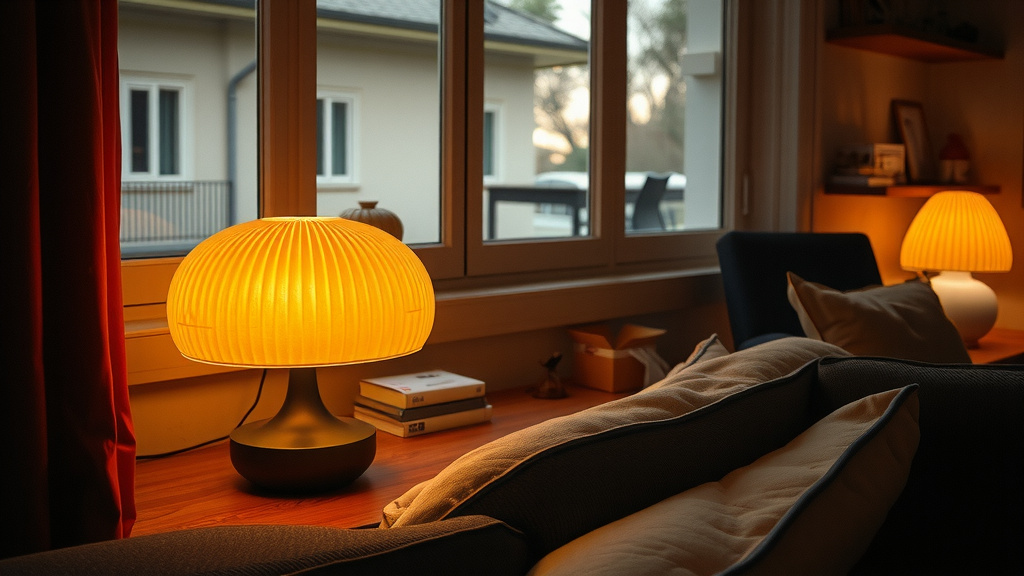
You might be thinking, “This sounds great, but is it complicated to use?” The good news is that mood lamps are typically designed for ease of use. Most come with a simple control panel directly on the lamp itself. You might find buttons for power, color selection, and brightness adjustment.
Remote Controls and Smart Features
Many models also include a dedicated remote control. This allows you to change settings from across the room without having to get up. It’s perfect for when you’re already settled in and want to adjust the ambiance. Some of the more modern lamps even offer smartphone app control or compatibility with smart home assistants. This gives you even more flexibility and convenience.
Setting Up and Using Your Lamp: A Checklist
Getting started with your mood lamp is usually a breeze. Here’s a quick rundown:
- Unpack your lamp carefully.
- Plug it into a power source.
- Use the onboard controls or remote to turn it on.
- Browse through the color options.
- Adjust the brightness to your liking.
- Experiment with different lighting modes!
Energy Efficiency and Longevity of LEDs
One of the big advantages of using LEDs in mood lamps is their efficiency. LEDs consume much less power than traditional incandescent bulbs. This means they are kinder to your electricity bill. They also last a very long time. You won’t have to worry about frequently replacing bulbs. This makes them a cost-effective and eco-friendly choice for creating your ideal atmosphere.
Conclusion
You’ve learned how mood lamps harness the power of LEDs and color psychology to transform your space. By blending red, green, and blue light, they create a spectrum of colors to influence your mood. Features like adjustable brightness and natural light simulations enhance their benefits. Using your mood lamp is simple, often with intuitive controls or handy remotes. Their energy efficiency and long lifespan make them a smart, eco-friendly choice. Now you can easily set the perfect ambiance and enjoy the calming, energizing, or relaxing effects of light. Ready to create your ideal atmosphere? Experiment with different colors and settings to find what works best for you.
Frequently Asked Questions
Do mood lamps actually affect your mood?
Research suggests that colors can influence feelings and energy levels. While individual responses vary, colors like blue and green are often associated with calmness and balance. Warm colors like red and orange can be more energizing. By choosing specific hues, you can gently nudge your mood.
Are mood lamps energy efficient?
Yes, mood lamps typically use LED technology, which is very energy efficient. LEDs consume significantly less power than older incandescent bulbs. This makes them a cost-effective choice for your electricity bill and better for the environment.
Can I set a mood lamp to just one color?
Absolutely! Most mood lamps allow you to choose a single, static color. You can often select a specific hue that suits your preference or desired ambiance. Many also offer the option to cycle through colors automatically.
How do sunrise simulation lamps work?
Sunrise simulation lamps gradually increase their brightness over a set time, mimicking a natural sunrise. They often start with warm colors like red and orange and transition to cooler, brighter white light. This helps wake you up more gently and regulate your body’s natural sleep-wake cycle.
What is additive color mixing in mood lamps?
Additive color mixing is how mood lamps create different colors. They use red, green, and blue LEDs. By combining these primary colors at varying intensities, they can produce millions of other colors. Your eyes and brain perceive these blends as new hues, like purple or yellow.


![10 Best Buffet Lamps [2026]](https://bestdesklamp.com/wp-content/uploads/2026/08/10-best-buffet-lamps-2026-featured-768x432.jpg)