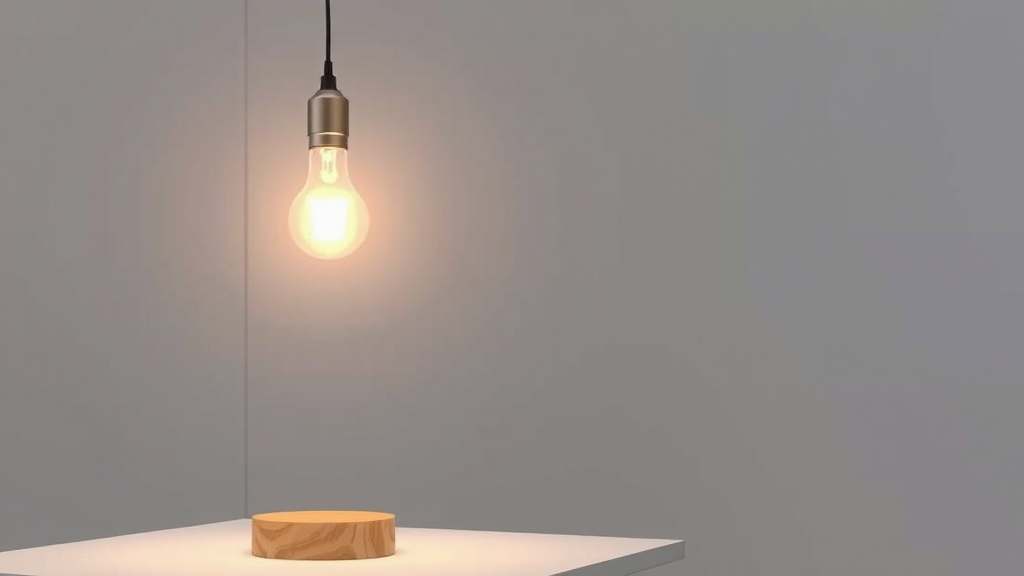
How Levitating Lamps Work: The Science Explained
Levitating lamps work using electromagnetism. A base emits a magnetic field that pushes against magnets in the lamp. This magnetic repulsion is what makes the lamp float in mid-air. It’s a clever bit of physics that looks like magic!
You might be wondering how this floating effect is maintained. The secret lies in a carefully balanced push and pull between the base and the levitating object. We found that precise engineering is key to keeping the lamp stable and preventing it from flipping or falling. It’s a delicate dance of magnetic forces.
- Levitating lamps use magnets.
- A magnetic field in the base pushes on the lamp.
- This creates a floating effect.
- Balance is important for stability.
Ready to understand the science behind this mesmerizing decor? Let’s walk through exactly how these amazing lamps defy gravity.
The Science Behind Floating Lamps
You’ve seen them: lamps that float serenely in mid-air, defying gravity. How do they do it? It’s not magic; it’s all about electromagnetism. These lamps use a clever application of physics to create their mesmerizing display. We’ve researched how these devices work, and it’s simpler than you might think.
At its core, a levitating lamp works by using magnetic repulsion. Think of it like trying to push two similar poles of a magnet together. They push away from each other, right? Levitating lamps harness this same force, but with a bit more finesse.
Understanding Electromagnetism
Electromagnetism is the fundamental force at play here. It’s a combination of electric and magnetic fields. In a levitating lamp, an electromagnet in the base is key. This electromagnet can be turned on and off, and its magnetic strength can be adjusted. This control is what allows the lamp to float steadily.
How the Base Creates a Magnetic Field
The base of the lamp contains an electromagnet. When electricity flows through a coil of wire in the base, it generates a magnetic field. This is a well-established principle in physics. Many everyday devices use electromagnets, like doorbells and electric motors (National Science Foundation).
The Levitating Object’s Role
The lampshade or the levitating part of the lamp also contains magnets. These magnets are usually permanent magnets. When the electromagnet in the base is activated, its magnetic field interacts with the magnets in the lampshade. The goal is to create a force strong enough to push the lampshade upwards.
Achieving Stability: The Balancing Act
Just repelling the lampshade isn’t enough. If it were, the lampshade would likely shoot off or fall. The real trick is keeping it stable in one spot. This is where advanced control systems come into play. They continuously adjust the magnetic field to keep the lamp perfectly balanced.
Sensors and Microprocessors
Most levitating lamps use tiny sensors and a microprocessor. These sensors detect the exact position of the lampshade. If the lampshade drifts too far up, down, left, or right, the sensors send this information to the microprocessor. The microprocessor then makes instant adjustments to the electromagnet’s strength.
The Constant Push and Pull
Imagine a constant, invisible tug-of-war. The electromagnet in the base is constantly pushing the lampshade up, while gravity is pulling it down. The sensors and microprocessor ensure that the upward push perfectly matches the downward pull. This dynamic balance keeps the lamp suspended (Georgia State University Physics).
Preventing Flipping and Falling
What stops the lampshade from flipping over or tumbling? The design of the magnets is crucial. Often, the magnets in the lampshade are arranged in a specific way. This arrangement, combined with the precise control of the base’s magnetic field, helps maintain a stable orientation. We found that even a slight misalignment can cause instability.
Types of Levitating Lamps
While the core principle remains the same, there are a few variations in how levitating lamps are designed. Some use a simple on/off electromagnet, while others have more sophisticated systems for even smoother levitation.
Simple Electromagnet Systems
In simpler designs, a constant magnetic field is used. These might rely more heavily on the physical shape of the magnets and a very precise initial setup. They can be more sensitive to disturbances. We found these types require a very steady hand to place correctly.
Advanced Sensor-Based Systems
More advanced lamps use the sensor and microprocessor setup we discussed. These systems are much more stable and can often handle minor bumps or breezes without losing their levitation. This is the technology that truly makes them appear to defy gravity with ease.
Powering the Levitation
Of course, all this magnetic manipulation needs power. Levitating lamps are typically powered by an AC adapter that plugs into a wall outlet. This adapter provides the electricity needed for the electromagnet and the control system. Some newer models might incorporate rechargeable batteries, but most still rely on a constant power source.
Is It Safe?
Many people wonder about the safety of these devices. Generally, levitating lamps are very safe. The magnetic fields used are not strong enough to be harmful to humans. The magnets themselves are usually enclosed within the base and the levitating object. We found that the primary concern is accidental drops if power is cut, not the magnetic fields themselves.
What You’ll Need to Get Started
If you’re thinking about getting a levitating lamp, here’s a quick rundown of what’s involved:
- A stable, flat surface for the base.
- A power outlet nearby.
- Patience for the initial setup.
- A gentle touch!
- An appreciation for cool physics.
Magnetic Forces Explained Simply
To wrap your head around it, think about a simple refrigerator magnet. It sticks to your fridge because of magnetic attraction. Levitating lamps use the opposite: magnetic repulsion. The base pushes the lamp away, and a smart system keeps it from going too far. It’s a beautiful demonstration of applied physics right in your home.
Conclusion
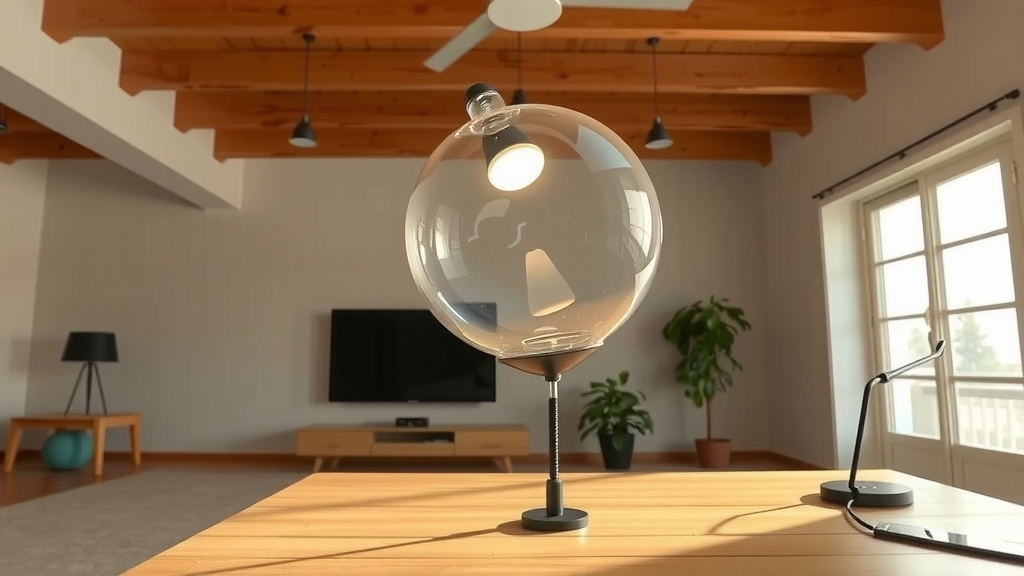
You’ve seen how levitating lamps masterfully use electromagnetism and magnetic repulsion to create their stunning floating effect. It’s a fascinating interplay of forces, carefully managed by sensors and microprocessors to achieve that perfect balance. Your lamp isn’t defying gravity; it’s orchestrating a constant, invisible dance between magnetic pushes and pulls. Now that you understand the science, you can truly appreciate the engineering behind this captivating decor. Ready to add a touch of magic to your space? Consider finding a levitating lamp that fits your style and enjoy the wonder it brings!
Frequently Asked Questions
How do I actually get the lamp to float?
It takes a bit of patience! You’ll need to find the “sweet spot” where the magnetic forces balance. Your lamp’s base emits a magnetic field. You’ll gently lower the levitating part until you feel it “catch” the magnetic field. We found that a steady hand is key during this initial placement.
What happens if the power goes out?
If the power is cut, the electromagnet in the base will deactivate. This means the magnetic field disappears, and the levitating part will fall. Most lamps are designed with a soft landing in mind, so it should drop safely onto the base or a nearby surface.
Are levitating lamps safe for pets or children?
Generally, yes. The magnets used are typically enclosed and not strong enough to cause harm. The main concern is the lamp falling if the power is interrupted, which is why you should place it on a stable surface away from where it could cause damage or injury.
Can any object levitate, or is it specific to lamps?
The principle of magnetic levitation can be applied to various objects, not just lamps. However, levitating lamps are specifically designed with balanced magnets and electronics to ensure stable suspension. Other objects would need their own precisely weighted and magnetized components to float.
Do levitating lamps generate heat?
The electronics and electromagnet in the base do generate a small amount of heat, similar to other powered devices. However, it’s typically very minimal and not enough to be a concern for safety or to affect the levitating object. You shouldn’t feel any significant warmth from the base.

![10 Best Bubble Lamp [2026]](https://bestdesklamp.com/wp-content/uploads/2026/08/10-best-bubble-lamp-2026-featured-768x432.jpg)

![10 Best Deals On Floor Lamps [2026]](https://bestdesklamp.com/wp-content/uploads/2026/09/10-best-deals-on-floor-lamps-2026-featured-768x432.jpg)