What Do Himalayan Salt Lamps Do? Full Guide
Himalayan salt lamps do more than just look pretty. They are believed by some to purify the air and create a calmer atmosphere in your home. These lamps are made from natural Himalayan pink salt crystals, and when lit, they emit a warm, gentle glow that many find very relaxing. While the scientific evidence for all claims is debated, their aesthetic appeal and potential mood-boosting effects are clear.
Many people enjoy Himalayan salt lamps for their ability to create a cozy ambiance. They are often used as bedside lamps or in living areas to add a touch of natural beauty. Some research suggests they might attract dust and pollutants, though this is not definitively proven. Think of them as a beautiful, natural light source that can also contribute to a more peaceful environment.
- Himalayan salt lamps are decorative light sources.
- They emit a warm, calming glow.
- Some believe they help purify the air.
- Scientific proof for air purification is limited.
- They are a popular choice for adding ambiance.
Ready to learn more about how these unique lamps work and what they can do for your space? Let’s dive into the details about Himalayan salt lamps.
“`htmlUnderstanding What Himalayan Salt Lamps Actually Do
You’ve seen them, right? Those gorgeous, glowing lamps made from chunks of pink salt. They add a certain magical ambiance to any room. But what’s the real deal with Himalayan salt lamps? Beyond their stunning looks, many people wonder if they offer more tangible benefits. Let’s break down what science and popular belief have to say.
The Glow and Ambiance Factor
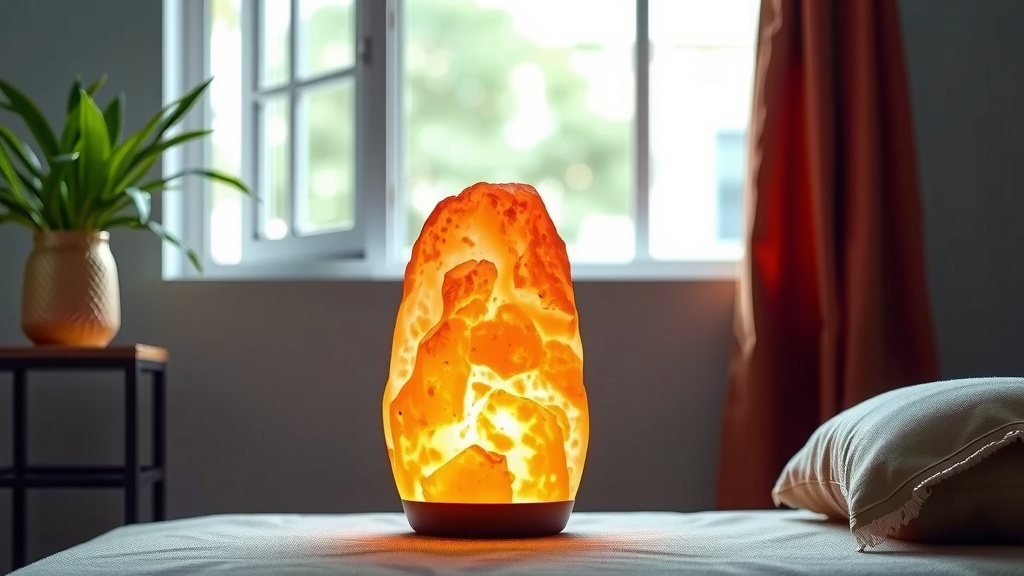
First and foremost, these lamps are beautiful decorative items. When you switch one on, it emits a warm, soft, and often reddish-orange light. This gentle glow is incredibly soothing. Many users find it perfect for creating a cozy atmosphere in their bedroom, living room, or meditation space. It’s like a natural night light, but with a lot more charm.
Think of it as bringing a bit of the natural world indoors. The unique shape and color of each lamp make it a conversation starter. It’s a simple way to add a touch of earthy elegance to your home décor. Many people find the warm light helps them unwind after a long day.
The Air Purification Claim: What’s the Scoop?
This is where things get a bit more debated. A popular belief is that Himalayan salt lamps can purify the air. The theory goes like this: when the salt lamp is heated by the bulb inside, it attracts water molecules from the surrounding air. These water molecules supposedly carry dust, pollen, mold spores, and other allergens with them onto the salt’s surface. Then, when the lamp cools, the water evaporates, leaving the trapped particles behind on the salt. Sounds neat, doesn’t it?
The Scientific Viewpoint
While this theory sounds plausible, the scientific evidence supporting it is quite limited. Many experts and research studies have not found definitive proof that salt lamps significantly purify the air or reduce pollutants. The amount of water attracted to the lamp surface is generally very small. This means the capacity to trap and hold onto airborne particles is also likely minimal.
For instance, a study published in the Journal of Environmental Science and Health explored this very topic. Researchers found that the salt lamps did not produce a measurable reduction in airborne particles. While it’s nice to think of them as tiny air purifiers, it’s probably more realistic to view them as ambient lighting. If you’re looking for serious air purification, you might need to consider other established methods, like HEPA filters.
Negative Ion Emission: Fact or Fiction?
Another common claim is that salt lamps release negative ions. These are atoms or molecules that have gained electrons. In nature, processes like waterfalls, lightning, and ocean waves create negative ions, which are often associated with feelings of well-being and cleaner air. Some proponents suggest that heated salt lamps emit these beneficial negative ions.
What the Research Says
Again, scientific backing for this claim is scarce. While some tests have shown trace amounts of negative ions being emitted, the quantities are generally not considered significant enough to have a noticeable effect on your environment. It’s unlikely that your salt lamp is producing the same effect as a walk by the ocean. We found that most studies do not show a substantial release of negative ions (NCBI).
The Potential Mood and Sleep Benefits
Even without proven air purification powers, many users report positive effects on their mood and sleep. The warm, gentle light can be incredibly calming. In fact, a dimmer, warmer light is often recommended before bedtime. Bright, blue-toned lights can interfere with your body’s natural sleep-wake cycle, known as the circadian rhythm.
By using a salt lamp as a bedside light, you can create a more relaxing environment conducive to sleep. The soft glow is much less stimulating than overhead lights or screens. Many people find that the warm hue helps signal to their brain that it’s time to wind down. This can contribute to a more peaceful night’s rest.
We found that many users enjoy the lamps for their ability to create a soothing atmosphere. This feeling of calm can indirectly contribute to better overall well-being. It’s about creating a sanctuary in your home, and the lamp is a beautiful part of that.
How They Work: The Basic Mechanism
It’s a pretty simple setup. A salt lamp is essentially a large piece of Himalayan pink salt that has been hollowed out to hold a light bulb. The heat generated by the bulb warms the salt. This warmth is what some believe contributes to the (unproven) air-purifying effects by causing a slight release of water vapor.
The salt itself is mined from the Punjab region of Pakistan, which is near the Himalayas. It’s known for its purity and distinctive pink color, which comes from trace minerals. The shape and size of each lamp are naturally unique, making every one a one-of-a-kind piece.
Choosing and Caring for Your Salt Lamp
When selecting a salt lamp, consider the size of the room you want to place it in. Larger lamps can provide more light, while smaller ones are great for accent pieces. Make sure it comes with a sturdy base and a safe electrical cord with a dimmer switch, if possible. A dimmer allows you to adjust the brightness to suit your mood and needs.
Keeping Your Lamp in Good Shape
Salt lamps do require a little care. Because they attract moisture, they can sometimes “sweat,” especially in humid environments. If you notice condensation, gently wipe the lamp with a dry cloth. It’s also a good idea to keep them on for a few hours a day to prevent excessive moisture buildup. If you live in a very humid area, you might want to consider unplugging it when you’re not using it, or even using a small, low-wattage bulb that generates less heat.
Never wash your salt lamp with water! This will cause it to dissolve. If it gets dusty, a gentle dusting with a dry cloth or a soft brush is usually all it needs. Proper care ensures your lamp remains a beautiful and long-lasting addition to your home.
Are There Any Downsides?
The main potential downside is managing moisture, as we touched on. In very humid conditions, the lamp might leave a ring of moisture on surfaces. Also, if the electrical components aren’t high quality, there’s always a small risk, as with any electrical item. Opting for lamps from reputable sellers with safety certifications is always a good idea.
A Quick Checklist for Your Salt Lamp Experience
- Enjoy the Ambiance: Embrace the warm, calming glow.
- Manage Moisture: Wipe dry if it feels damp.
- Keep it On: Aim for a few hours daily to prevent sweating.
- Dust Gently: Use a dry cloth or soft brush.
- Safety First: Purchase from trusted sources.
So, while the jury is still out on whether they are powerful air purifiers, there’s no denying the charm and relaxation that a Himalayan salt lamp can bring to your space. They are beautiful, natural objects that can enhance your home’s atmosphere. Many users find them to be a wonderful addition for creating a tranquil environment.
“`
Conclusion
You’ve learned that Himalayan salt lamps are fantastic for creating a warm, relaxing atmosphere in your home. While the science behind air purification and negative ion release remains debated, their aesthetic appeal is undeniable. They offer a beautiful, natural way to enhance your living space and encourage a sense of calm, especially before bedtime. Consider incorporating one into your decor for a touch of natural beauty and soothing light. Ready to find the perfect spot for your own salt lamp?
Frequently Asked Questions
Do I really need to turn my salt lamp on every day?
It’s a good idea to keep your salt lamp on for at least a few hours each day. This helps prevent moisture buildup from the air, especially in humid environments. When the lamp is on, it generates a little heat, which aids in evaporation and keeps the salt dry.
What should I do if my salt lamp is sweating?
If you notice condensation or “sweating” on your salt lamp, it means it’s attracting moisture from the air. Simply wipe it dry with a clean, soft cloth. If it’s very humid, try keeping the lamp on for longer periods or consider using a lower-wattage bulb that produces less heat.
Can a salt lamp help with allergies?
The claims that salt lamps significantly purify air and reduce allergens are not strongly supported by scientific research. While they may trap a small amount of dust on their surface, they are not a substitute for a proper air purifier. Their main benefit is atmospheric.
Are there different colors of Himalayan salt lamps?
While the most common color is pink, you might find salt lamps with variations in hue, ranging from pale pink to deeper orange and even reddish tones. These color differences are due to the specific mineral composition of the salt crystal from which the lamp is carved.
Is it safe to use a salt lamp in a child’s bedroom?
Yes, many people use salt lamps as a calming nightlight in children’s rooms. The warm, soft glow is less stimulating than harsh overhead lights. Just ensure the lamp is placed safely out of reach of young children and that it has a stable base and secure electrical components.
![10 Best Bug Lamp [2026]](https://bestdesklamp.com/wp-content/uploads/2026/08/10-best-bug-lamp-2026-featured-768x432.jpg)
![10 Best Cheap Led Nail Lamp [2026]](https://bestdesklamp.com/wp-content/uploads/2026/08/10-best-cheap-led-nail-lamp-2026-featured-768x432.jpg)
![10 Best At Home Led Gel Nail Lamp [2026]](https://bestdesklamp.com/wp-content/uploads/2026/08/10-best-at-home-led-gel-nail-lamp-2026-featured-768x432.jpg)
![10 Best Affordable Gel Lamp [2026]](https://bestdesklamp.com/wp-content/uploads/2026/09/10-best-affordable-gel-lamp-2026-featured-768x432.jpg)