Fix Your Lava Lamp: Troubleshooting Guide
Your lava lamp isn’t working right? Don’t worry, most lava lamp problems are fixable. Often, a few simple steps can get your groovy lamp flowing again. You might just need to give it time or ensure it’s on a stable surface.
When your lava lamp stops moving, it can be a bit disappointing. It’s common for them to get cloudy or for the wax to stop forming those iconic shapes. We’ve researched the most frequent lava lamp issues and found that most can be resolved without needing a new lamp.
- Troubleshooting involves checking the bulb and heat.
- Cloudiness often means the lamp needs a break.
- Wax that won’t flow usually needs more time to heat up.
- Ensure your lava lamp is placed on a sturdy, level spot.
Let’s dive into some easy fixes to get your lava lamp bubbling with life again.
“`htmlTroubleshooting Your Lava Lamp’s Flow
Is your lava lamp not behaving like it used to? Don’t fret! Many lava lamp issues are surprisingly simple to fix. We’ve looked into the common hiccups, and most often, a little patience or a quick check is all you need.
The Heat is On: Understanding Your Lava Lamp’s Needs
Lava lamps are essentially a delicate dance between heat and density. The wax needs to reach a specific temperature to become lighter than the liquid. This causes it to rise. Once it cools at the top, it becomes denser again and sinks. This cycle is what creates the mesmerizing movement.
Is It Hot Enough? Patience is Key!
One of the most common reasons a lava lamp stops flowing is simply that it hasn’t heated up enough. Lava lamps, especially new ones, can take quite a while to get going. We found that it can take anywhere from 1 to 4 hours for the wax to fully melt and start its journey. So, if you just plugged it in, give it some more time. It’s like waiting for a kettle to boil; you can’t rush the process!
Is the Bulb the Right Wattage?
The bulb in your lava lamp is crucial. It provides the necessary heat. If the bulb is too low in wattage, it won’t generate enough heat. This means the wax might never get light enough to flow. Conversely, a bulb that’s too high can overheat the lamp, potentially damaging it or causing the wax to disperse too rapidly and become cloudy.
Always use the correct replacement bulb recommended by the manufacturer. These are often specialty bulbs designed for lava lamps. You can usually find this information on the base of the lamp or in its manual. Using the wrong bulb is a common mistake we see.
When the Wax Won’t Budge: What to Do
If your lava lamp has been on for several hours and the wax is still stubbornly sitting at the bottom, there might be a different issue at play.
Check for Obstructions
Sometimes, a piece of wax might get stuck near the heating element. You might see a lump that just won’t break free. If you can see this, and the lamp is fully heated, gently nudging it with a soft, non-metallic object (like a wooden skewer, not a metal fork!) might help. Be very careful when doing this, and ensure the lamp is turned off and cool before attempting anything. We recommend only doing this if the blockage is obvious and accessible.
The Lamp Has Been Shaken or Moved
Have you recently moved your lava lamp, or did it get bumped? If the lamp has been agitated while warm, the wax can break into small blobs. This can prevent it from reforming into larger, flowing shapes. The best solution here is patience again. Let the lamp cool down completely. Then, let it heat up slowly from cold. This often allows the wax to coalesce back into its proper form.
Dealing with a Cloudy Lava Lamp
A cloudy lava lamp is a frequent issue. It happens when the wax and liquid get mixed up. It can make the beautiful lava effect hard to see. Don’t worry, it’s often reversible.
Give It a Break: The Importance of Cooling Down
The most common cause of cloudiness is overheating or frequent agitation. If your lamp has been running for too long without a break, the wax can emulsify with the liquid. This makes it look foggy. The best fix? Turn it off and let it cool completely. We’ve found that allowing the lamp to rest for at least 6-8 hours, or even overnight, is usually enough. This gives the ingredients a chance to separate properly again.
Is Your Water Distilled?
The liquid in your lava lamp is a carefully balanced solution. If you ever notice the liquid itself seems murky or discolored, it might be the water used. Most commercial lava lamps use distilled water. If your lamp has been opened and refilled improperly with tap water, minerals can cause cloudiness. Unfortunately, fixing this is more involved. It usually requires draining the lamp, cleaning it, and refilling with distilled water and new lava. This is a repair best left to experienced individuals or when the lamp is no longer under warranty.
Temperature Fluctuations and Drafts
Sudden changes in room temperature can also affect your lava lamp. Placing your lamp near a drafty window or an air conditioning vent can cause the wax to cool too quickly and unpredictably. This can lead to cloudiness or uneven flow. Always place your lava lamp in a stable environment. Avoid direct sunlight, which can overheat it and cause cloudiness or fading (National Oceanic and Atmospheric Administration).
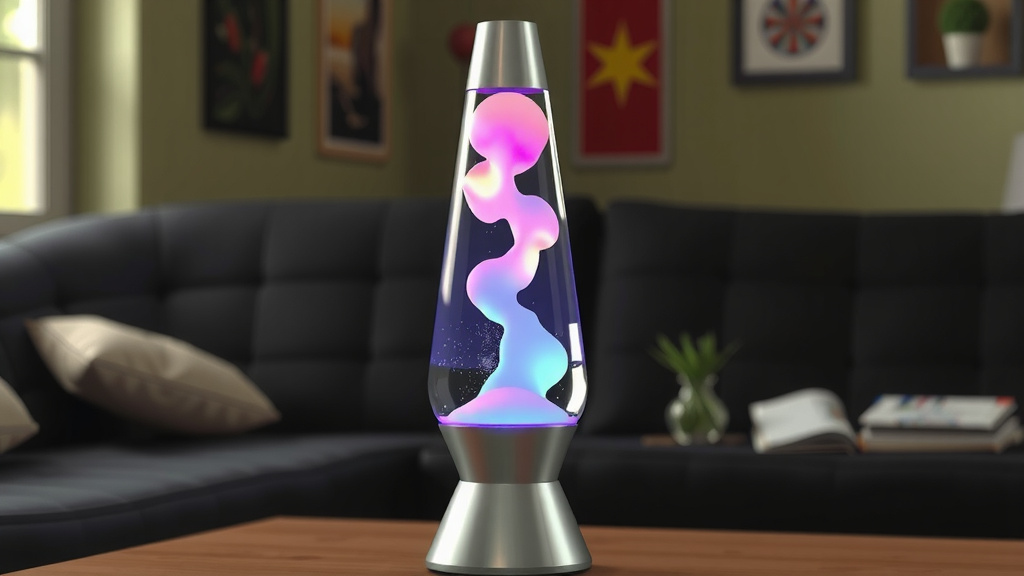
Placement and Stability: The Foundation for Flow
Where you put your lava lamp matters. A stable base is essential for its proper function and longevity. Think of it like a stage for your lava show; it needs to be steady!
A Level Surface is Non-Negotiable
If your lava lamp isn’t sitting on a perfectly level surface, the wax will pool on one side. This can make the flow look weird or stop it altogether. You might see a big blob stuck to the glass on the lower side. Make sure the surface is sturdy and perfectly flat. Use a level if you’re unsure. We found that even a slight tilt can disrupt the delicate balance.
Avoid Vibrations
Lava lamps don’t like to be disturbed. Placing your lamp on a surface that vibrates frequently (like next to a washing machine or a busy speaker) can break up the wax. This leads to cloudiness and poor flow. Find a quiet, stable spot for your groovy lamp to do its thing undisturbed. This is a simple step that many people overlook.
Keep It Away From Extreme Temperatures
We mentioned this earlier, but it bears repeating. Extreme cold can make the wax too solid. Extreme heat (like direct sunlight or near a radiator) can cause it to break down or overheat. Maintaining a consistent room temperature (around 68-75°F or 20-24°C) is ideal for optimal lava lamp performance (Lava Lite, a major manufacturer).
Quick Checklist for a Happy Lava Lamp:
- Ensure the bulb is the correct wattage and functional.
- Allow at least 1-4 hours for a new or restarted lamp to heat up.
- Turn off and cool completely if the lamp becomes cloudy.
- Place on a perfectly level and stable surface.
- Avoid areas with drafts or extreme temperature changes.
- Do not shake or move the lamp while it is on or warm.
Conclusion
You’ve learned that most lava lamp issues stem from simple causes like insufficient heating, incorrect bulb wattage, or placement problems. We’ve seen that patience is often your best tool, allowing ample time for heating and cooling cycles. Remember to always use the correct bulb and ensure your lamp sits on a stable, level surface away from drafts and vibrations. If your lamp becomes cloudy, giving it a good rest is usually the cure. By following these steps, you can get your groovy lava lamp bubbling again!
Frequently Asked Questions
How long should my lava lamp heat up before I worry it’s broken?
Your lava lamp typically needs 1 to 4 hours to fully heat up. For new lamps or after a period of inactivity, give it ample time to reach operating temperature. If it still doesn’t flow after this period, then you can begin troubleshooting other issues.
Can I use any light bulb in my lava lamp?
No, you should only use the specific replacement bulb recommended by the manufacturer. These bulbs are designed to provide the correct wattage and heat output needed for your lava lamp to function properly. Using the wrong bulb can lead to poor performance or damage.
What if my lava lamp wax broke into small pieces?
If your lamp has been shaken or agitated while warm, the wax can break apart. The best solution is to let the lamp cool down completely. Then, allow it to heat up slowly from a cold state, which often helps the wax reform into larger blobs.
My lava lamp is cloudy; can I just leave it on longer?
Leaving a cloudy lava lamp on longer is not recommended and often makes the problem worse. Cloudiness usually means the lamp has overheated or been agitated. You need to turn it off and let it cool down completely, ideally for 6-8 hours or overnight, to allow the components to separate properly.
Is it bad if my lava lamp is tilted a little?
Yes, even a slight tilt can be problematic. Your lava lamp needs to sit on a perfectly level surface. If it’s tilted, the wax will pool to one side, disrupting the flow and potentially causing one-sided heating or movement.