How to Safely Dispose of Your Lava Lamp
Disposing of a lava lamp involves a few simple steps to ensure safety. You should never throw a whole lava lamp in the trash. First, carefully drain the liquid and then dispose of the glass and wax components separately according to your local guidelines. This prevents potential hazards and environmental issues.
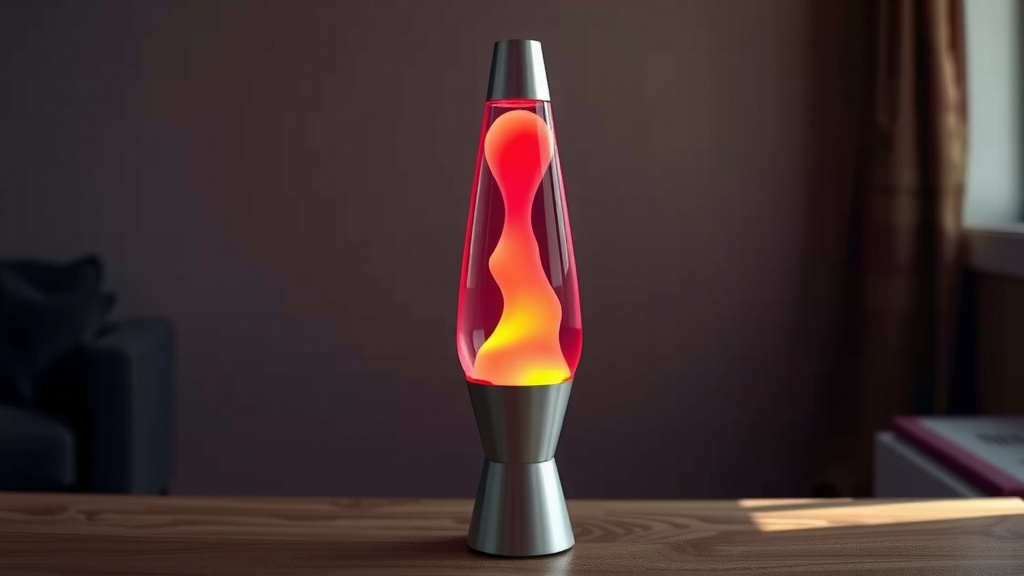
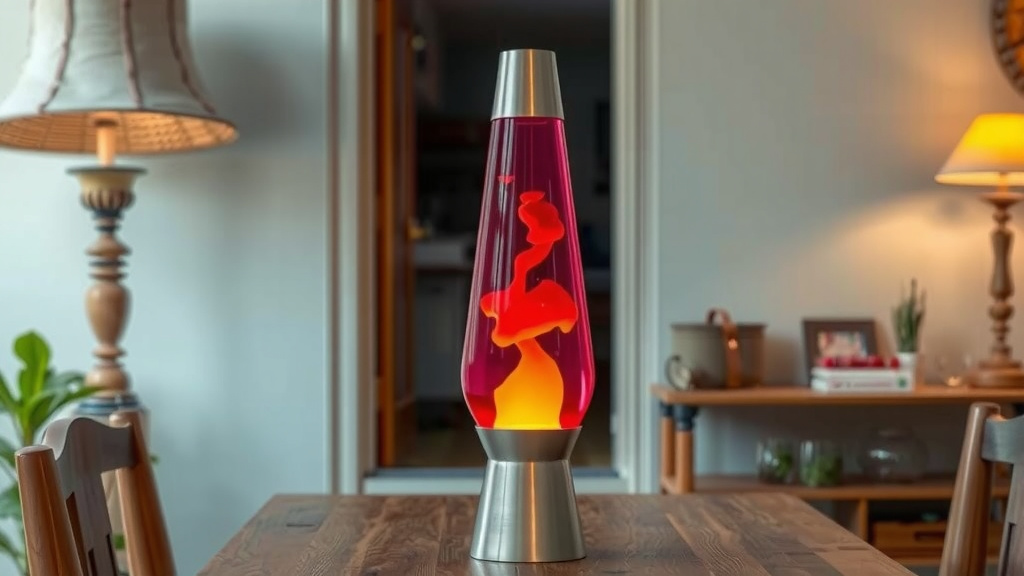
While lava lamps are fun to watch, their contents can be messy if broken. The liquid is usually water and soap, while the “lava” is a mixture of paraffin wax and other chemicals. Understanding what’s inside helps you handle it responsibly when it’s time for a lava lamp disposal.
- Drain the liquid safely.
- Separate glass and wax components.
- Check local disposal rules.
- Never break the glass intentionally.
- Rinse glass before recycling if possible.
Let’s walk through exactly how to safely get rid of your old lava lamp step by step.
Getting Rid of Your Old Lava Lamp Safely
So, your beloved lava lamp has seen better days. Maybe it’s stopped bubbling, or perhaps you’re just ready for a change. Whatever the reason, you’re wondering how to dispose of it without causing a mess or an environmental hiccup. It’s a common question, and we’re here to guide you through it!
Your main goal is to handle the lamp’s components responsibly. This means avoiding breaking the glass and dealing with the liquid and wax separately. Let’s break down the process step-by-step.
Understanding What’s Inside Your Lava Lamp
Before you can dispose of anything, it helps to know what you’re working with. Lava lamps contain a few key ingredients:
The Liquid Component
Most lava lamps use a mixture of distilled water and a clear liquid soap, like biodegradable dish soap. This water-based solution is generally considered non-toxic. It’s what allows the wax to float and move. You might also find some anti-foaming agents in the mix. These help keep the bubbles smooth and consistent.
The “Lava” Wax
The iconic blobs are made from a special formula. It typically includes paraffin wax, which is a petroleum byproduct. Other ingredients are added to make the wax denser than the liquid, but not too dense. This specific density allows it to rise and fall. Companies often use mineral oil or other additives to fine-tune this density and color. While not acutely poisonous, this wax mixture is best kept out of drains and waterways.
The Glass and Metal Base
The lamp itself is usually made of sturdy glass. The base is often metal or plastic, housing the light bulb. The bulb is the heat source that drives the lava’s movement. These are the parts you’ll handle for recycling or general disposal.
Preparing Your Lava Lamp for Disposal
The safest way to dispose of a lava lamp is to drain it carefully. This prevents any accidental spills or breakage of the glass globe. Think of it like draining a giant, wobbly science experiment.
Step 1: Gather Your Supplies
You’ll want a few things before you start. Have a large container ready for the liquid. A plastic tub or bucket works well. You’ll also need paper towels or old rags. These are for wiping up any drips. Wearing rubber gloves is a good idea, too. It helps keep your hands clean and provides a better grip.
Step 2: Carefully Drain the Liquid
This is the most critical step. Do not shake or hit the lamp. You want to maintain its structural integrity. Gently tilt the lamp over your container. Most lava lamps have a cap or stopper at the top. Remove this carefully. The liquid should begin to pour out. Let it drain as completely as possible. This might take a few minutes. Be patient!
What if the liquid is thick or won’t drain easily? Sometimes, the wax can solidify in the opening. If this happens, you can try gently warming the lamp’s base with a hairdryer on a low setting. Do this for a very short time. This can help liquefy the wax enough to flow. Always be cautious when using heat and avoid overheating the lamp.
Step 3: Dealing with the Wax
Once most of the liquid is out, some wax will likely remain in the globe. It might be a solid chunk or small bits stuck to the sides. For disposal, this wax can usually be scooped out once it cools and solidifies. You can use a spoon or a spatula. Collect the wax in a separate bag or container. Many experts recommend not flushing wax down the toilet, as it can cause clogs.
Disposing of the Components Separately
Now that you’ve drained and emptied the lamp, you have three main parts to deal with: the liquid, the wax, and the glass globe/base. Each might require different handling.
Disposing of the Liquid
The liquid mixture is mostly water and soap. In most areas, you can safely pour this down a household drain with plenty of running water. However, always check your local regulations. Some areas have specific rules for disposing of household liquids. Many guidelines suggest diluting it further with water before draining (CDC). This ensures it doesn’t overwhelm local treatment systems.
Disposing of the Wax
The collected wax is generally safe to dispose of in your regular household trash. Wrap it well in paper towels or place it in a sealed plastic bag. This prevents it from melting and making a mess in your trash can. Avoid sending large quantities of wax to landfills if possible, as it can take a long time to break down.
Disposing of the Glass Globe and Base
This is where your local recycling program comes into play. The glass globe is typically made of tempered glass, which can sometimes be recycled. However, it’s not always accepted in standard curbside programs. Here’s what you should do:
- Check with your local recycling center. Call them or check their website. They will tell you if they accept tempered glass.
- Rinse the glass thoroughly. If accepted, rinse out any remaining liquid or wax residue. This is important for the recycling process.
- If not recyclable, use regular trash. If your local recycling facility does not accept tempered glass, the glass globe can be placed in your household trash. Make sure it’s well-wrapped to prevent breakage. You don’t want any sharp shards posing a hazard.
The metal or plastic base can often be recycled with other scrap metals or plastics, depending on your local program. Again, checking with your waste management provider is key.
When to Call a Professional or Special Service
In most cases, disposing of a lava lamp is a DIY job. However, there are a few situations where you might need extra help. If your lamp is unusually large, or if you suspect it contains materials beyond the standard water-wax mixture, it’s wise to err on the side of caution. Some older or novelty lava lamps might have different compositions. Contacting your local hazardous waste disposal facility is a good step if you’re unsure. They can provide guidance on specific materials and safe disposal methods.
A Quick Checklist for Lava Lamp Disposal
Here’s a simple rundown to ensure you’ve covered all your bases:
- Gather supplies: Container, rags, gloves.
- Drain liquid slowly over a container.
- Remove and bag wax after cooling.
- Check local recycling for glass globe.
- Rinse glass if accepted for recycling.
- Dispose of components according to local guidelines.
Following these steps ensures your lava lamp’s departure is as smooth as its former bubbling performance. You’ve done a great job handling this responsibly!
Conclusion
You’ve successfully learned how to dispose of your old lava lamp responsibly! By carefully draining the liquid, removing the wax, and separating the glass and base, you’ve avoided potential messes and environmental harm. Remember, never toss a whole lava lamp into the trash. Always check your local guidelines for recycling the glass and disposing of the other components.
Taking these simple steps ensures your lava lamp’s final act is a safe and clean one. You’ve handled this task with care, and your old lamp is now out of your way!
Frequently Asked Questions
Can I just throw a lava lamp in the regular trash?
No, you should never throw a whole lava lamp in the regular trash. The glass can easily break, creating hazardous shards. Additionally, the liquid and wax inside could leak and cause problems.
Is the liquid inside a lava lamp toxic?
The liquid is typically a non-toxic mixture of distilled water and biodegradable soap. While generally safe, it’s best to avoid pouring large amounts directly down the drain without dilution and to check local guidelines first.
What should I do with the wax from my lava lamp?
Once the wax has cooled and solidified, you can scoop it out. It’s usually safe to dispose of the wax in your regular household trash. Wrapping it securely in paper towels or a plastic bag is a good idea to prevent messes.
Can I recycle the glass globe of a lava lamp?
You might be able to recycle the glass globe, but it depends on your local recycling center. Tempered glass isn’t always accepted in standard programs. It’s best to call your local facility and ask if they accept it, and be sure to rinse it clean first.
What if the wax won’t drain from my lava lamp?
If the wax is blocking the opening, you can try gently warming the base of the lamp with a hairdryer on a low setting for a short time. This can help liquefy the wax enough to drain. Always use caution and avoid overheating the lamp.
![10 Best Deals On Table Lamps [2026]](https://bestdesklamp.com/wp-content/uploads/2026/09/10-best-deals-on-table-lamps-2026-featured-768x432.jpg)
![10 Best Buy Projector Lamps [2026]](https://bestdesklamp.com/wp-content/uploads/2026/08/10-best-buy-projector-lamps-2026-featured-768x432.jpg)