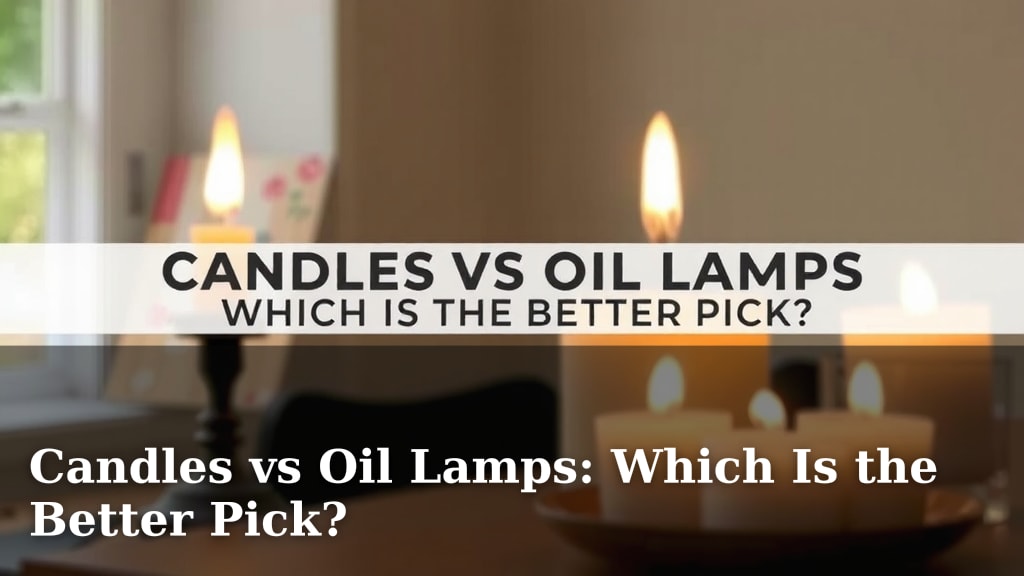
Candles vs Oil Lamps: Which Is the Better Pick?
When choosing between candles and oil lamps for ambiance or light, oil lamps often offer a brighter, longer-lasting flame. While candles provide a gentle glow, oil lamps are generally more efficient for illuminating larger spaces. We found that oil lamps burn cleaner and more consistently for extended periods, making them a practical choice for many situations.
Both candles and oil lamps have been used for centuries to provide light. Modern alternatives, like electric lamps, offer convenience. Yet, there’s a unique charm and utility to traditional flame-based lighting. Understanding their differences helps you pick the best option for your specific needs, whether for mood lighting or practical illumination. We’ve researched to bring you the clearest comparison.
- Oil lamps generally burn brighter and longer than candles.
- Candles are great for subtle ambiance and shorter durations.
- Oil lamps are more efficient for lighting larger areas.
- Consider fuel type and safety for both options.
Ready to decide which type of flame will best suit your home? Let’s break down the pros and cons of candles versus oil lamps so you can make an informed choice.
“`htmlFiguring Out the Best Flame: Candles vs. Oil Lamps
When you’re looking for that perfect glow, whether it’s for a cozy evening or a power outage, both candles and oil lamps have their own special charm. But which one is truly the better pick for your needs? We’ve dug into the details to help you decide.
Understanding the Basics: How They Work
At their core, both use a fuel source to create light. A candle has a wick made of absorbent material. This wick draws up melted wax, which then vaporizes and burns. An oil lamp uses a similar wick. But instead of wax, it draws up liquid fuel, like kerosene or vegetable oil, to feed the flame.
The Candle’s Journey: From Wax to Warmth
Candles are wonderfully simple. You light the wick, and the wax melts and burns. They come in endless scents and colors. Many people love them for their decorative appeal and the gentle, flickering light they cast. They’re great for a quick mood boost or a short dinner setting.
The Oil Lamp’s Function: A Steady Burn
Oil lamps offer a bit more control and longevity. You fill a reservoir with oil, insert a wick, and light it. The oil then travels up the wick to sustain the flame. This design allows for a more consistent and often brighter light than many candles. Plus, you can often adjust the wick to control the flame’s size and brightness.
Brightness and Burn Time: What to Expect
When it comes to sheer illumination and how long that light lasts, there are clear differences.
Candlepower: A Softer, Shorter Glow
Candles are fantastic for creating a subtle ambiance. Think of a romantic dinner or a relaxing bath. However, most standard candles burn for a few hours at most. While some large pillar candles can last longer, they often don’t provide enough light to comfortably read by or illuminate a large room. Their light is generally softer and more diffused.
Oil Lamp Luminescence: Brighter and Longer Lasting
Oil lamps, especially those designed for lighting, tend to produce a significantly brighter flame. This makes them much more practical for illuminating a space. We found that a well-maintained oil lamp can burn for many hours, sometimes all night, depending on the reservoir size and wick setting. This makes them a reliable choice when consistent light is needed.
| Feature | Candles | Oil Lamps |
|---|---|---|
| Brightness | Softer, more ambient | Often brighter, more focused |
| Duration | Typically 2-6 hours | Can burn for 8+ hours, sometimes much longer |
| Coverage | Best for small areas or mood | Can illuminate larger spaces |
Fueling the Flame: Options and Considerations
The type of fuel you use impacts performance, safety, and even the environment.
Candle Fuel: Mostly Wax
The vast majority of candles are made from paraffin, soy, beeswax, or a blend. Paraffin is common and inexpensive but can release more soot. Soy and beeswax are natural options, often burning cleaner. The quality of the wax and wick can greatly affect how a candle burns, from sooting to tunneling (where wax melts down the sides instead of the center).
Oil Lamp Fuel: A Wider Variety
Oil lamps can use various fuels. Kerosene is a traditional and common choice, offering good brightness. Lamp oil, often a refined mineral oil, burns cleaner and has less odor than kerosene. Some people even use vegetable oils, though these can be smokier and require more maintenance. We found that choosing a high-quality, refined lamp oil generally leads to the cleanest burn and least amount of smoke.
Safety First with Fuels
It’s vital to use the correct fuel for your oil lamp. Using the wrong type can be dangerous or damage the lamp. Always research your lamp’s specifications. For candles, keeping them away from drafts and flammable materials is key. Many guidelines point to proper storage and handling of all flammable materials as a crucial safety step (National Fire Protection Association).
Safety and Maintenance: Keeping Things Simple (and Safe!)
Both methods require care to be used safely and effectively.
Candle Safety: Watchful Eyes
Candles are a common fire source in homes. You must never leave a burning candle unattended. Always place them on a stable, heat-resistant surface. Keep them away from curtains, pets, and children. Trim the wick to about a quarter-inch before each use for a cleaner burn and to prevent large flames.
Oil Lamp Safety: Vigilance is Key
Oil lamps, especially those using kerosene, require careful handling. Ensure the lamp is stable and not in a drafty area. Never overfill the reservoir. Allow the lamp to cool completely before refilling. Proper ventilation is also important, as burning oil can produce carbon monoxide. Many fire departments recommend having a working carbon monoxide detector when using any fuel-burning appliance (U.S. Fire Administration).
Maintenance Differences
Candles are low maintenance: trim the wick and extinguish safely. Oil lamps may require more attention. Wicks might need trimming or replacing periodically. Reservoirs need refilling. Cleaning soot from the glass chimney is also common. However, many modern oil lamps are designed for ease of use and minimal mess.

Cost and Environmental Impact: A Look Beneath the Surface
When thinking long-term, the initial and ongoing costs, as well as environmental factors, come into play.
The Price of Light: Candles vs. Oil Lamps
Candles can be very inexpensive, especially basic paraffin types. Scented or specialty candles can be pricier. Oil lamps often have a higher upfront cost for the lamp itself. However, the fuel for oil lamps can be quite economical, especially if you use readily available kerosene or basic lamp oil. Over time, the cost-effectiveness can lean towards oil lamps for regular use, as a bottle of lamp oil can last a long time.
Environmental Footprints
The environmental impact varies. Paraffin wax is a petroleum byproduct. Natural waxes like soy and beeswax are generally considered more sustainable. When it comes to oil lamps, the type of oil matters. Refined lamp oils are often cleaner than kerosene. Proper ventilation is also key to managing air quality indoors. We found that choosing cleaner-burning fuels and maintaining your lamp well minimizes its impact.
Your Checklist for Choosing: What to Consider
Making the right choice depends on what you need. Here’s a quick rundown to help you decide:
- Intended Use: Ambiance (candle) or practical light (oil lamp)?
- Duration Needed: A few hours (candle) or all night (oil lamp)?
- Brightness Requirement: Soft glow (candle) or strong illumination (oil lamp)?
- Safety Precautions: Are you prepared for careful handling?
- Maintenance Willingness: Do you prefer simple (candle) or slightly more involved (oil lamp)?
- Fuel Cost: Budget for initial lamp purchase vs. ongoing candle expense.
Conclusion
When it comes to choosing between candles and oil lamps, your decision hinges on your primary needs. For a gentle mood or a brief, cozy atmosphere, candles are your go-to. They’re simple and add a lovely decorative touch. However, if you require sustained, brighter light for illumination or longer periods, oil lamps are the more practical and efficient choice. We found they burn longer and more consistently. Consider the space you need to light, the duration you need it, and your comfort with fuel handling and maintenance. Your next step is to assess your home’s specific lighting needs and then select the flame that best fits your lifestyle and safety preferences.
Frequently Asked Questions
Are oil lamps safe to use indoors?
Yes, oil lamps can be safe for indoor use when operated correctly. You must ensure proper ventilation and always place them on a stable, heat-resistant surface away from flammable materials. Following manufacturer instructions and using high-quality lamp oil are key for safe operation.
Can I use regular cooking oil in an oil lamp?
While some vegetable oils can be used in certain oil lamps, they often burn less cleanly and produce more smoke and odor than dedicated lamp oils. We recommend using a high-quality, refined lamp oil for the best performance and a cleaner burn.
How much brighter is an oil lamp compared to a candle?
Oil lamps generally provide a much brighter and more focused light output than most candles. This makes them more suitable for practical illumination tasks, such as reading or lighting a room, whereas candles are better suited for ambient or decorative lighting.
Which option is more cost-effective in the long run?
For frequent and extended use, oil lamps can be more cost-effective over time. While the initial purchase of the lamp might be higher, the cost of lamp oil is often lower per hour of burn time compared to frequently replacing candles.
What’s the main difference in maintenance between candles and oil lamps?
Candles are generally low maintenance, requiring only wick trimming. Oil lamps need more attention; you’ll need to refill the fuel reservoir, trim or replace the wick periodically, and clean the glass chimney. This makes candles simpler for occasional use.
![10 Best Battery Pack For Lamps With No Outlet [2026]](https://bestdesklamp.com/wp-content/uploads/2026/08/10-best-battery-pack-for-lamps-with-no-outlet-2026-featured-768x432.jpg)